State Police in Nigeria: A Step Forward
The approval of state police by 30 state Houses of Assembly marks a significant step towards improving Nigeria's security situation. This move comes as the nation faces serious challenges from insecurity and violence.
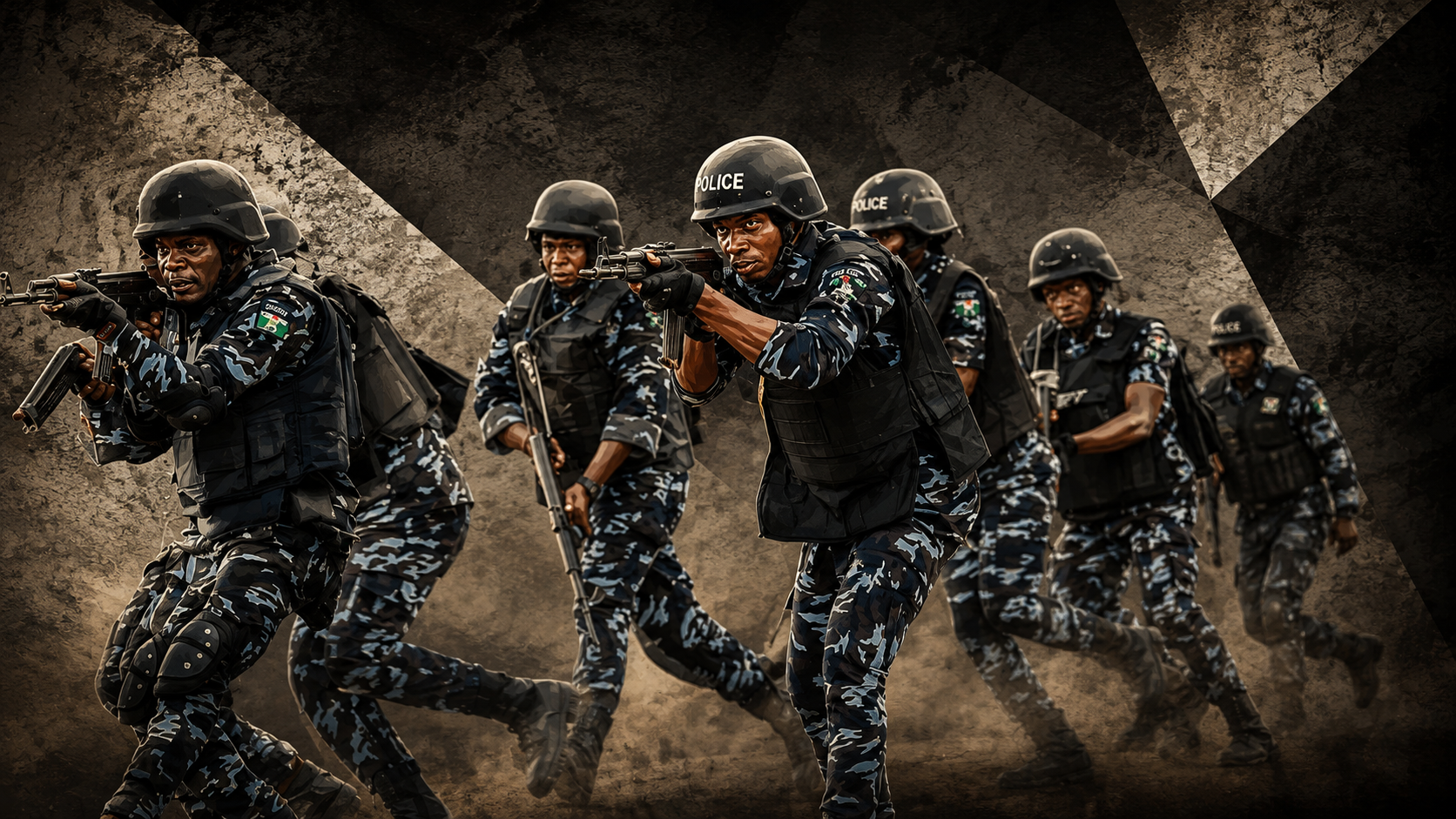
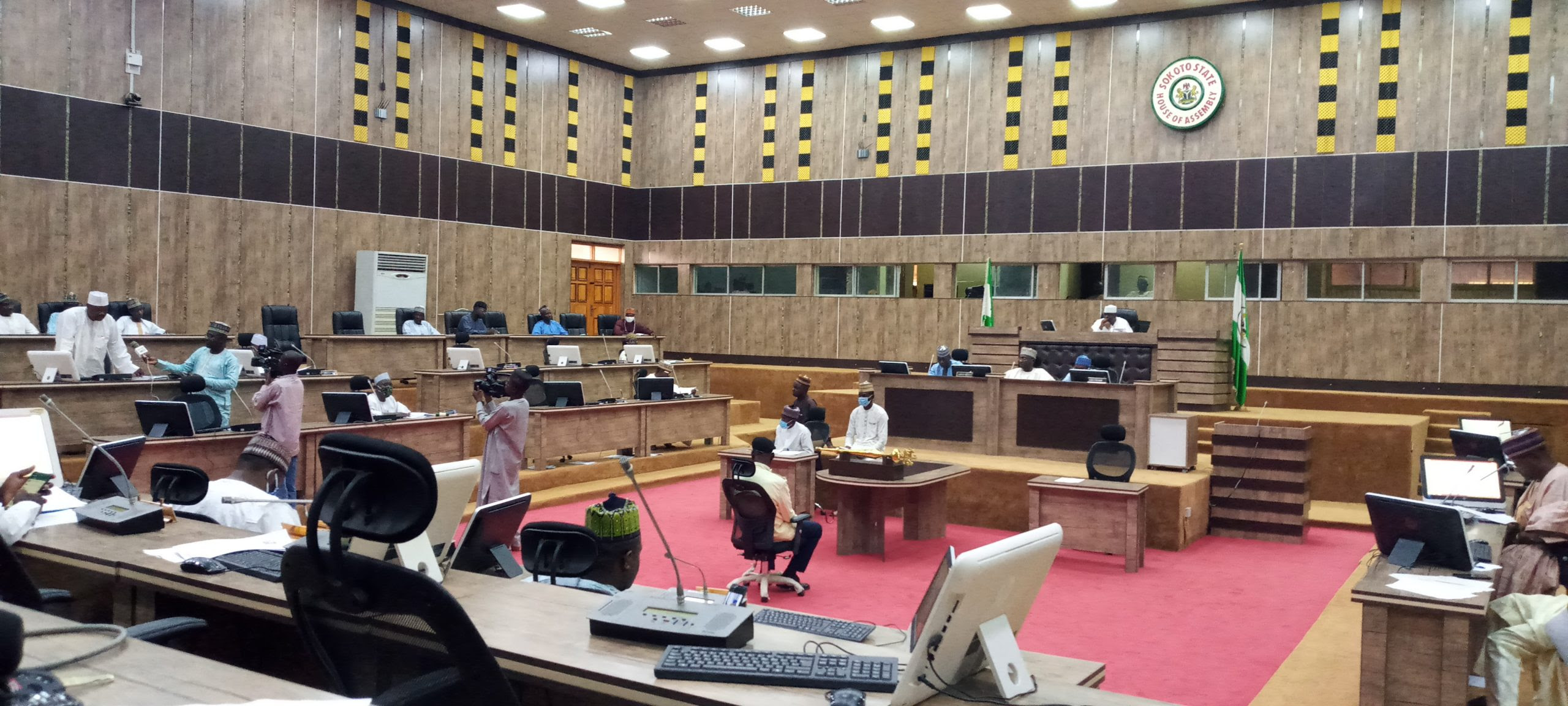
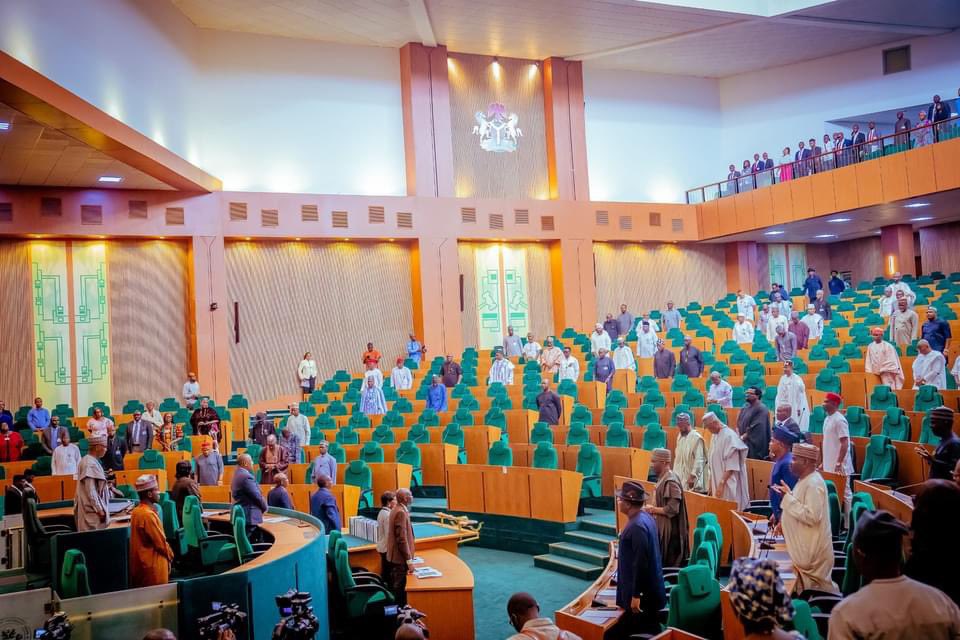
The push for state police in Nigeria has taken a big step forward. Recently, 30 state Houses of Assembly approved the idea. To make this happen, 24 out of 36 state legislatures had to agree. Now, the National Assembly can move to change Section 214 of the 1999 Constitution. This section currently says that only the Nigeria Police Force (NPF) can exist.
For many years, people have called for a better policing system in Nigeria. They believe having multiple layers of police will help. Sadly, past governments have ignored these calls, even when it is a key part of a federal system. This has led to serious problems. Insecurity is at an all-time high. Kidnapping for ransom has become common. Terrorism and mass killings are rampant in the North-East, North-Central, and North-West regions. Nigeria now ranks fourth in the 2026 Global Terrorism Index.
Many of these security issues arise because large areas of Nigeria are controlled by non-state actors. Gunmen frequently attack communities, markets, churches, and mosques. They kill and kidnap many people and then disappear.
In Taraba State, for example, gunmen attacked a market on October 25 and killed 33 people. Meanwhile, 15 others drowned trying to escape the chaos. In Borno State, 42 students from Musa Primary and Secondary School were kidnapped on May 12 and are still missing. The ongoing killings in Plateau and Benue States show that law enforcement is sorely lacking in those areas.
Under former President Muhammadu Buhari, 63,111 people were reportedly killed, according to the Nigeria Security Tracker. In just two years of President Bola Tinubu’s administration, that number increased by 10,217. The NPF, which has around 300,000 officers, cannot effectively protect Nigeria's population of over 250 million people.
Apart from needing more officers, the new police model must focus on intelligence gathering, crime prevention, investigation, and community protection. Unfortunately, the current NPF does not meet these needs. A policing system that has failed since it replaced regional policing in the First Republic must be decentralized and restructured.
The NPF will work alongside state police, similar to how things are done in the United States, United Kingdom, and Canada. At PREMIUM TIMES, we believe state police should not just be armed vigilantes in new uniforms. Policing should be both a social and scientific task.
Recruitment for state police must be careful to keep out criminals and unethical individuals. State Police Councils should handle this recruitment, and they must be independent of governors. Proper training and intelligence gathering capabilities are essential for recruits to understand their roles. Adequate funding is also crucial. States that are not ready to meet these requirements should not pursue state police.
The new policing entities must avoid the serious disciplinary issues seen in Nigeria’s law enforcement. We cannot afford to have another set of police officers repeating the same human rights abuses, collecting bribes, and neglecting their duties.
Placing state police officers in communities can lead to better crime detection and quicker emergency responses. This sets state police apart from the NPF. Former Vice-President Yemi Osinbajo made this point clear in 2017 when he said, "policing is a local function; you simply cannot effectively police Nigeria from Abuja.” You cannot enforce the law from a distance.
But there is a risk of state police being misused. Some governors already show tendencies to abuse power. Even without state police, some governors restrict the movement of opposition party members and hire thugs to disrupt campaigns. This behavior goes against the Constitution.
Section 11 (4) of the Constitution allows the National Assembly to take over if state assemblies fail to function properly. A similar safeguard should apply to state police. The powers of state police must be clearly defined to avoid confusion.
We believe the NPF and state police can work together to maintain law and order. This can be similar to how the Royal Canadian Mounted Police collaborates with over 160 police services in Canada. The FBI also works alongside about 18,000 police agencies in the US.
Funding is key for this new initiative. State security votes should be directed towards this. The days of governors misusing these funds must end. Adjusting the revenue formula could provide more financial support to states. Currently, the federal government receives 52.68 percent of the funds while states get 26.72 percent and local governments receive 20.60 percent.
There are economic opportunities in this new policing framework. States that manage it well could attract investors and tourists, creating a safer environment. This could spark healthy competition among the 36 states and boost economic growth for Nigeria.
Governors have shown they can fund policing efforts. They regularly buy vehicles, communication devices, and other supplies for the NPF. Some even purchase weapons for the police to improve their performance. The Nigeria Governors Forum (NGF) reported that states funded the police with ₦2 trillion over ten years leading up to 2018.
Finally, PREMIUM TIMES hopes that state police will end the absurd situation where governors and federal police negotiate ceasefires with bandits. This has happened in Zamfara and Katsina states before. State police can help protect millions of citizens who live in fear due to banditry and insurgency. This is Nigeria’s chance for modern law enforcement in our complex and diverse society.





Comments
No comments yet.