The Danger of Fake Drinks in Nigeria: What Needs to Change
The rise of fake drinks in Nigeria poses serious health risks. Recent raids uncovered illegal production sites and seized products worth billions.
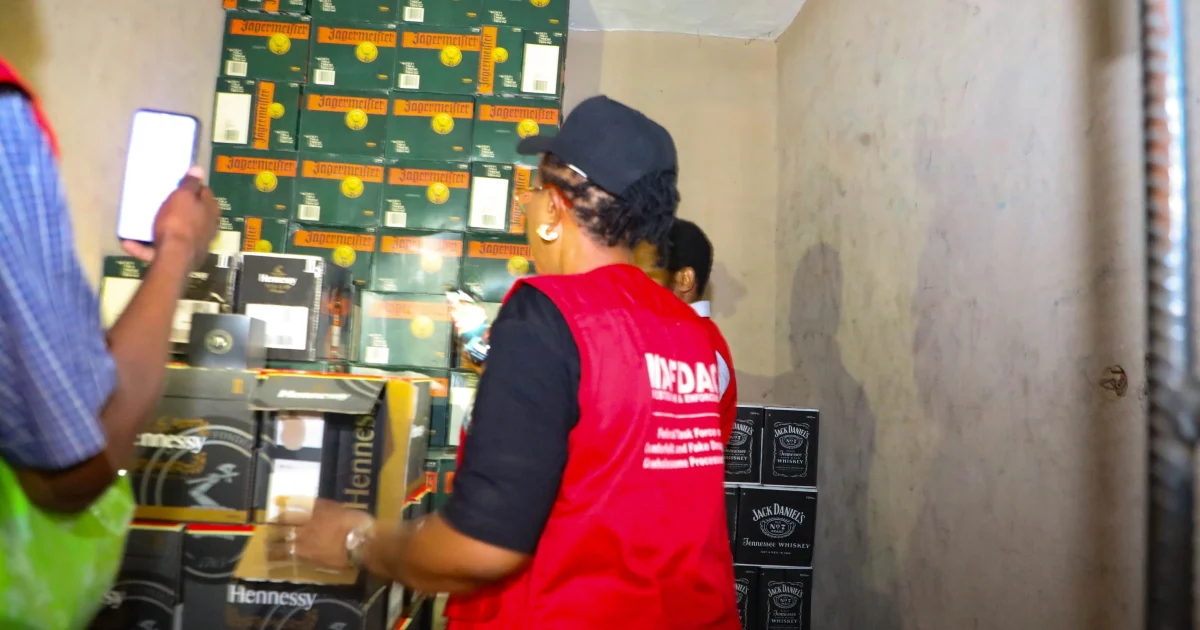
The rise in fake drinks and consumables in Nigeria has become very serious. Recent enforcement operations have shown large networks involved in the illegal production and sale of these products in major cities. In Lagos, officials from the National Agency for Food and Drug Administration and Control (NAFDAC) found over twenty illegal shops hidden in the International Trade Fair Complex. Here, operators mixed and repackaged popular alcoholic brands, revalidated expired and unsafe drinks, and stored banned imports worth over ₦2 billion. Two suspects were arrested, and officials seized equipment like drums, filters, heating devices, labels, corks, and bottles of whisky, wine, and energy drinks.
In Aba, enforcement activities also targeted five shops at Old Court Road Market. They seized fake labels, corks, packs, and outer packaging materials worth hundreds of millions of naira. These items bore the names of well-known brands such as Jameson, Glenfiddich, Four Cousins, Lord’s Dry Gin, and Imperial Blue. Another site on Omenazu Street revealed a dirty setup for making spirits and herbal liqueurs. It had a 200-litre drum of liquid ethanol, dirty sieves, sealing machines, tree barks, and bottles with established labels. These findings are part of a larger weekly haul exceeding ₦5.3 billion in seized and destroyed fake products, including drinks, medicines, chemicals, and food items. The picture is clear: criminal groups see public health as a way to make money, flooding the market with products that can cause serious health issues or death.
It is hard to understand why people get into this dangerous trade. The same people who mix industrial alcohol with flavors or repackage expired goods live in the same places where these products are sold. They shop in the same markets, go to the same events, and use the same water and food sources. There is nothing protecting them or their families from the very toxins they sell. A child who drinks a fake soda, a family member who takes fake medicine, or a friend who drinks adulterated spirits can die from the very products that were meant to make the seller rich. Greed seems to override their instinct for self-preservation. They think the victims will always be strangers, enforcement will be temporary, and the profits will always outweigh the risk. Yet, recent raids show the risk is real and increasing. Traders who fought against the removal of seized materials in Aba showed how deep this trade has taken root, turning regular markets into places of organized harm.
The National Assembly needs to respond with laws that treat counterfeiting of consumables as a serious crime. Current penalties are not enough to stop large-scale operators who see fines or short jail time as just part of the business. When a product can kill, the law should see it as a serious crime against the public. Introducing capital punishment for those who knowingly make, package, or distribute fake drinks, foods, or medicines would show that the government values the lives of citizens over the profits of criminals. Stronger laws would also help investigators seize assets and prosecute those who finance these operations without touching the products. Delaying action only allows these groups to regroup after each raid, moving equipment and finding new ways to operate, while the public suffers from hospital visits and premature deaths.

The same urgency applies to product verification. The National Assembly should create laws that require NAFDAC to use systems already in place in other countries. Every manufacturer selling goods in Nigeria must put a barcode or pin code under a scratch-off panel on the packaging. Consumers should verify if a product is real through the manufacturer’s website and the NAFDAC portal, getting immediate confirmation that the item is genuine and safe to use. Some pharmaceutical companies have already used similar technology, showing it can work and that consumers respond positively when they can protect themselves. But many companies selling drinks, foods, cosmetics, and other products have not done this. This gap lets counterfeiters copy packaging without any digital proof. Now is the best time to act. Enforcement operations have shown how big the problem is, public awareness is increasing, and the technical ability is there. Members of the National Assembly and NAFDAC leaders can close this gap by making scratch-off codes mandatory for all regulated products sold in the country, with deadlines for compliance and penalties for those who do not follow the rules.
While these laws are being put in place, ordinary Nigerians must take steps to protect themselves by being careful about where they shop. Products should only be bought from trusted stores where ownership and supply chains are clear. Medicines, especially, should only come from registered pharmacies staffed by licensed professionals. Street vendors, informal markets, and unverified online sellers carry the highest risk of fake or expired products. Checking packaging for signs of tampering, unusual prices, or missing regulatory marks can help, but the best defense is choosing where to buy. Families can also lower their risk by avoiding bulk purchases from unknown sources and reporting suspicious products or production activities to authorities. These actions do not replace the need for systemic changes, but they help reduce immediate harm while stronger laws and verification systems are developed.
The fight against fake products cannot rest solely on NAFDAC. Manufacturers must invest in secure packaging and quick verification tools. Sellers must refuse to stock goods of uncertain origin. Consumers must ask for proof of authenticity and report any strange findings. Lawmakers must pass the necessary laws, and enforcement agencies must get the resources they need to continue operations beyond individual raids. Only by working together can we reduce the space where counterfeiters operate and restore trust in the everyday items we rely on. The lives already lost or damaged by fake drinks and foods show that half-measures will not work. Nigeria can either accept a trade that makes public health unimportant or it can rally every group and citizen to stop it. The choice will shape whether the next generation grows up with safe products or continues dealing with hidden dangers.


Comments
No comments yet.