Tuggar calls for unity among Africans, speaks against Afrophobia in South Africa
Yusuf Tuggar urges stronger unity among African nations and speaks against Afrophobia in South Africa, highlighting Nigeria's historical support.
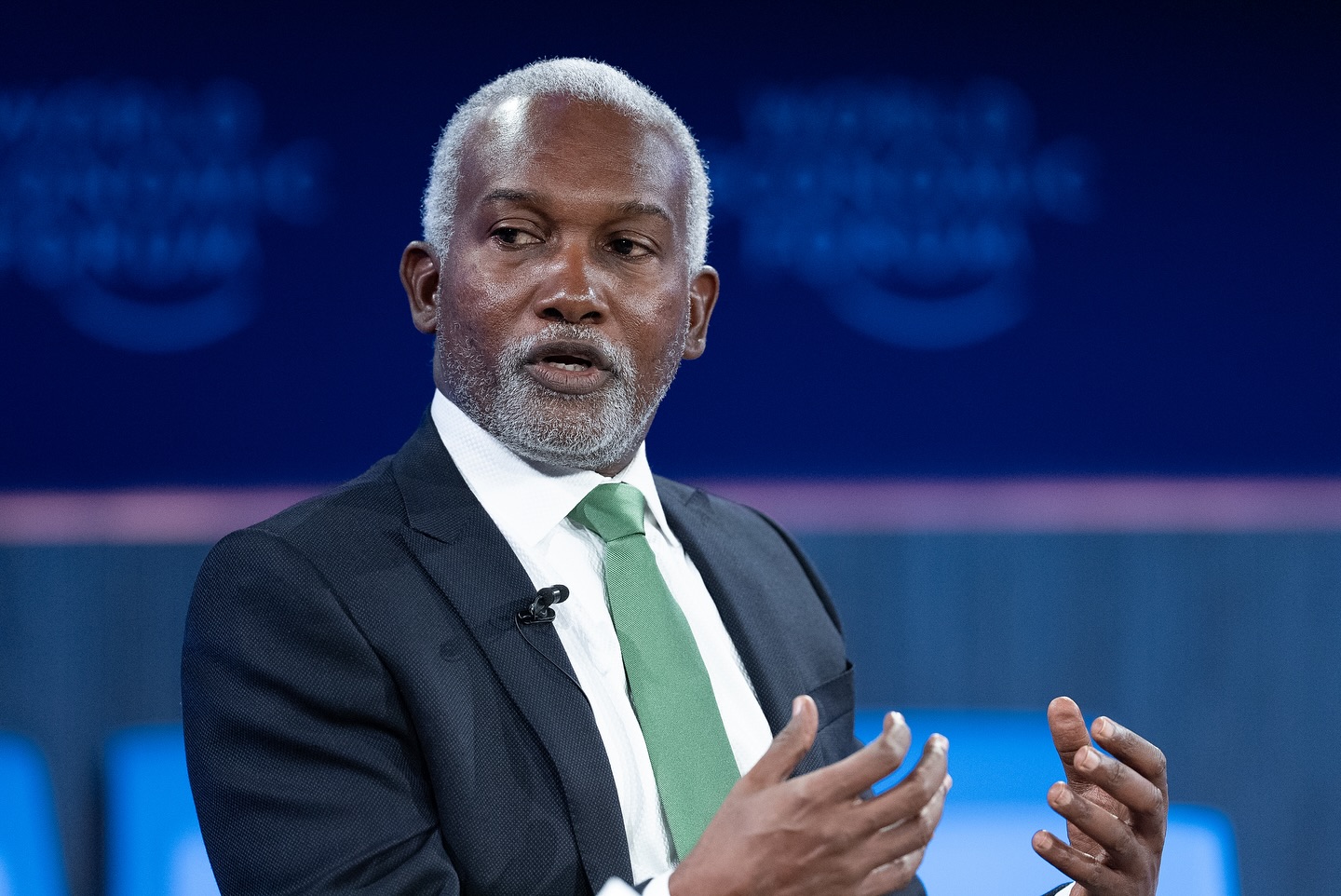
A former Minister of Foreign Affairs, Yusuf Tuggar, has urged for stronger unity among African nations. He believes that economic ties between these countries should improve. He warned that attacks on fellow Africans hurt the continent's shared goals.
Mr Tuggar spoke on Thursday while addressing the Bridge Club's 2026 Grand End-of-Year Event. The event focused on Xenophobia and Pan-Africanism.
He condemned the attacks on Nigerians and other black Africans in South Africa. He called this issue Afrophobia, saying it better highlights the racial aspects of the hostility than the term xenophobia.
The former minister noted that these attacks are especially concerning. He pointed out Nigeria's significant role in the fight against apartheid. He reminded everyone of Nigeria's financial, diplomatic, and educational support for South Africa and other liberation movements.
Recalling Nigeria's contributions during the anti-apartheid fight, Mr Tuggar mentioned the scholarships given to victims of the 1976 Soweto massacre. He also highlighted Nigeria's support for liberation movements in Namibia and Angola. Additionally, he talked about Nigeria hosting the World Conference Against Apartheid.
He stated that Nigeria's support for South Africa continued even during tough economic times. He emphasized the sacrifices made by Nigerian governments and citizens in the battle against racial oppression.
Mr Tuggar said to truly understand the current tensions, we need to look at the historical and structural causes of segregation in Africa. He pointed to the legacy of colonial rule and apartheid as key factors.
He linked the roots of institutionalized segregation to colonial policies from Lord Frederick Lugard. He argued that these policies developed further under apartheid, leaving lasting psychological and social divides.
According to him, understanding this history can explain current tensions, but it should never justify discrimination or attacks on fellow Africans.
On the topic of Pan-Africanism, Mr Tuggar mentioned economic integration, industrialization, and intra-African trade as important tools for overcoming divisions. He believes these can help advance development on the continent.
He highlighted the work of notable African economists, like Adebayo Adedeji and Thandika Mkandawire. They promoted manufacturing, regional market integration, and producing finished goods to achieve economic independence.
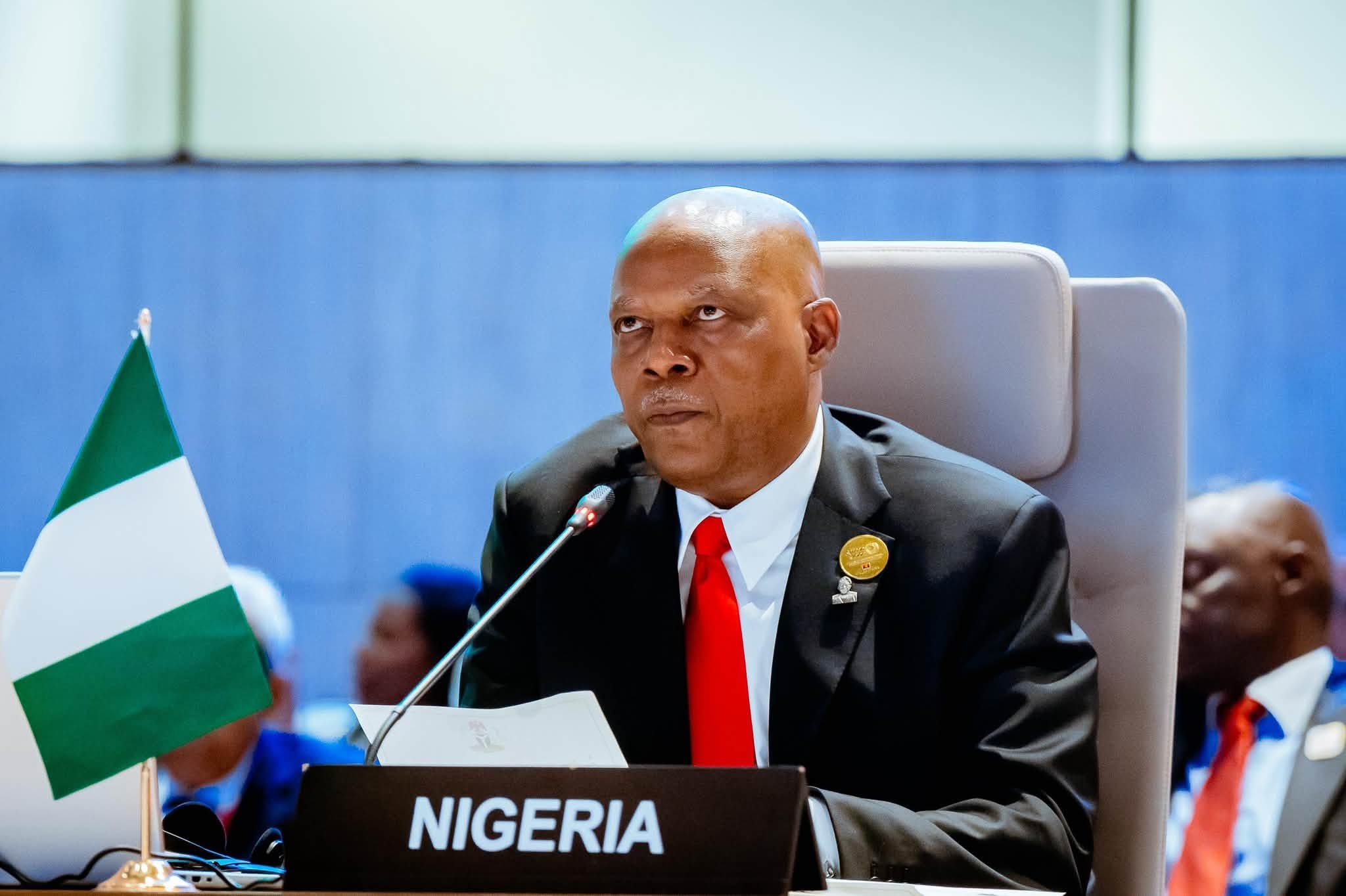
He called the African Continental Free Trade Area (AfCFTA) a key tool for turning Pan-African dreams into real economic partnerships.
Mr Tuggar also talked about the link between free trade and the movement of people. He said that allowing free movement of workers is essential for a successful trade system across the continent.
He pointed out three key ironies: that the future of Pan-Africanism depends on free trade, that free movement of labor is critical for trade, and that a South African leads the AfCFTA.
The former minister urged people to examine outside influences that may be stirring up anti-migrant feelings. He questioned the funding and organization behind groups like March and March and Operation Dudula, as well as the role of social media.
He warned against letting local issues and external stories weaken the relationship between Nigeria and South Africa.
Mr Tuggar stressed that cooperation between these two countries is key to Africa's future. He recalled South Africa's support for Nigeria's G20 efforts during its 2025 presidency. He also mentioned that Abuja will host the Africa Outreach Meeting on Industry and Agriculture in November 2025.
He commended the Bridge Club for bringing together experienced professionals and leaders. He highlighted the need to keep the knowledge and experience of former public officials through think tanks and other platforms.
The event featured P.L.O. Lumumba, a professor, as the keynote speaker. Abike Dabiri-Erewa, the Chairman of the Nigerians in Diaspora Commission (NiDCOM), was also honored for her work in protecting the rights of Nigerians abroad.
Mr Tuggar concluded by stressing the importance of African unity, intellectual discussions, and economic cooperation to tackle xenophobia and promote a more united and prosperous continent.


Comments
No comments yet.