Abia State Government Clarifies on Police Bill Approval Amid Confusion
The Abia State Government has confirmed that the State House of Assembly approved the State Police Bill, aiming to enhance security and community policing.
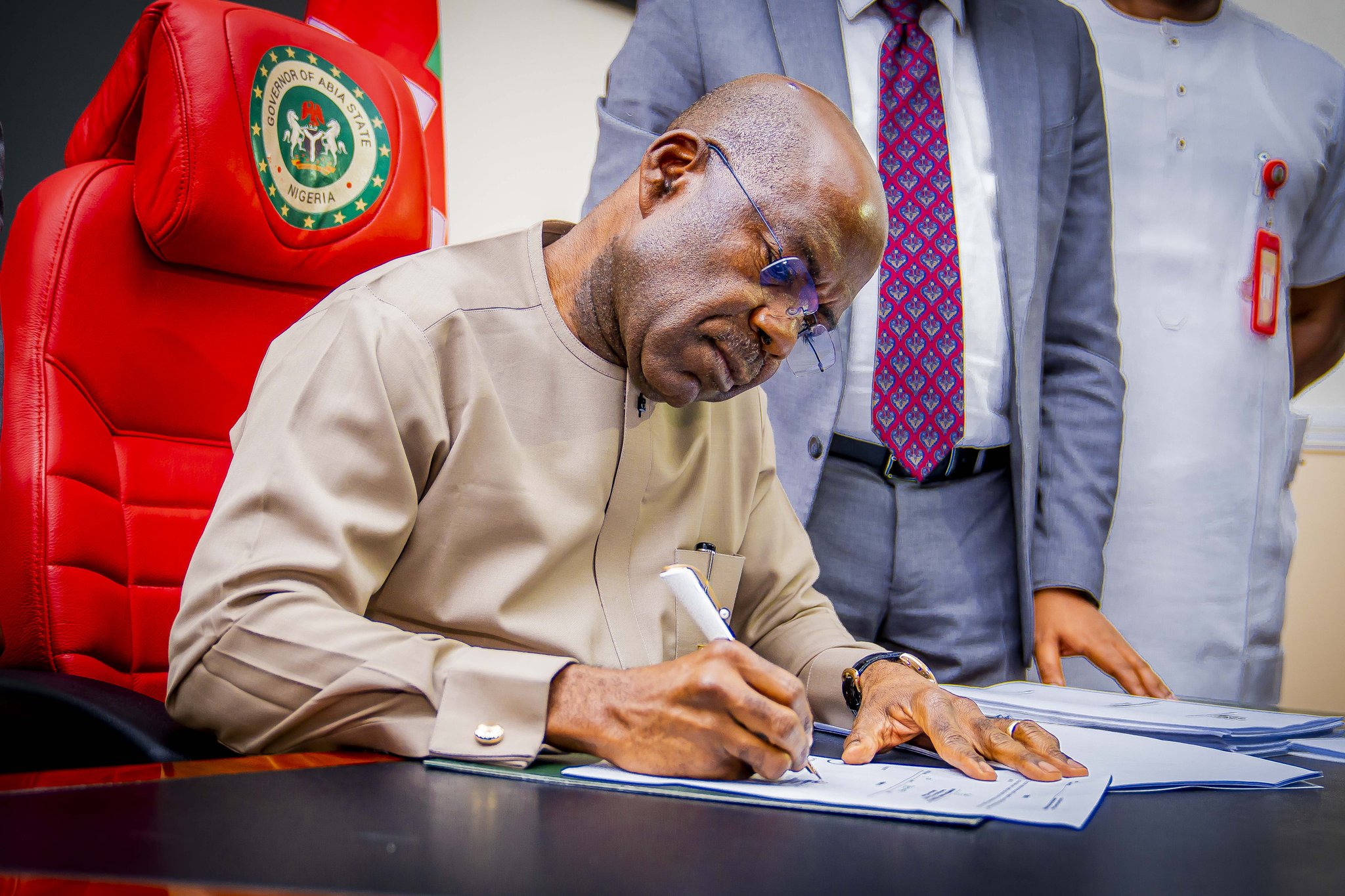
The Abia State Government has denied media reports claiming the State House of Assembly did not approve the State Police Bill. They insisted that the assembly has already passed the bill.
The government described these reports as wrong and misleading. They said the assembly endorsed the bill to help set up state police and improve security across the country.
This clarification came in a statement from Ukoha Ukoha, the spokesperson for Governor Alex Otti of Abia State. The statement was posted on Facebook on Thursday.
PREMIUM TIMES has not seen the specific media report that the state government called inaccurate.
"For the avoidance of doubt, the Abia State House of Assembly has since passed the State Police Bill, in line with the constitutional reform process and the commitment of the State to strengthening community-based policing and enhancing the security of lives and property," the statement said.
"The passage of the Bill was a clear demonstration of Abia State’s readiness and proactive stance on State policing, as championed by the administration of President Bola Ahmed Tinubu," it added.
The government's statement comes as there is mixed information about the bill's status in Abia and other states.
On 4 November, the Senate said that 30 out of the 36 state Houses of Assembly had approved the proposed constitutional amendment and sent their resolutions to the National Assembly.
According to the Senate, Abia is among six states that have not sent their resolutions. Others include Kano, Oyo, Cross River, Niger, and Benue.
However, PREMIUM TIMES reported that records show five of those six states had passed the proposal in their own assemblies, even though they had not sent their resolutions to the National Assembly.
The difference between legislative approval and sending the resolution is important in the ongoing process of constitutional amendment.
The Senate later told the six states they had until 15 November to clarify their positions on the proposal.

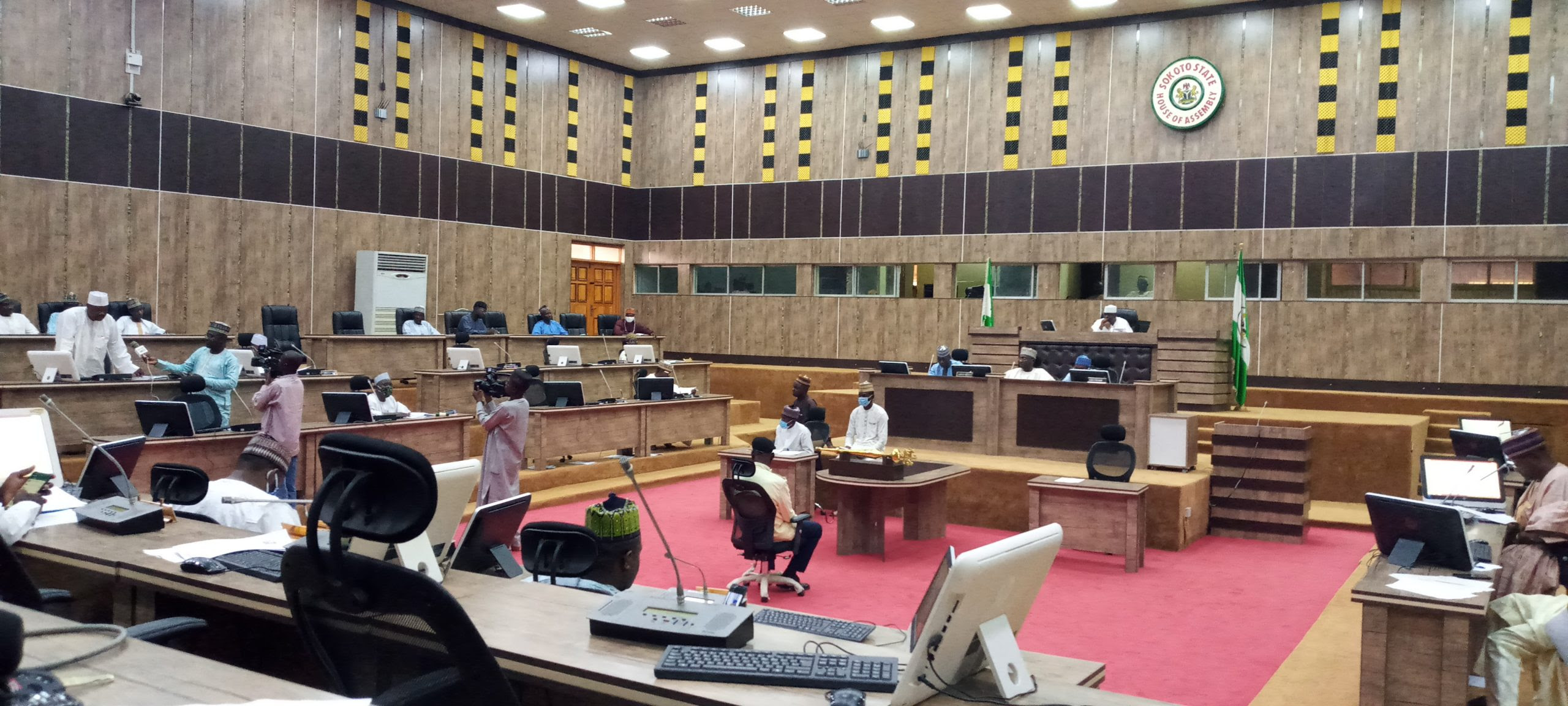
The plan to set up state police is part of efforts to decentralise policing in Nigeria. It will allow state governments to create and manage their own police services alongside the existing Nigeria Police Force.
The bill aims to tackle issues with Nigeria’s centralised policing system, which has been criticized for not responding well to security threats in the states.
The National Assembly passed the proposal before sending it to the 36 state legislatures on 16 September for their consideration and approval.
Under Section 9 of the 1999 Constitution, any proposed constitutional change needs the backing of at least two-thirds of the state Houses of Assembly, which means 24 out of the 36 states must approve it.
On 3 November, the National Assembly announced that 28 state assemblies had already approved the proposal, passing the required constitutional threshold.
If the amendment process is completed and the bill gets the President's approval, state governments will be able to set up their police services while keeping the existing federal police.
Supporters of this change believe that decentralising police will boost intelligence gathering, improve community security, and help law enforcement respond better to local threats.
In its latest statement, the Abia State Government urged residents, journalists, and other stakeholders to ignore what they called wrong reports. They encouraged people to get information from official government sources.
"The Abia State Government remains committed to transparency, accuracy in public discourse, and to working with the Federal Government and other States of the Federation to ensure the successful implementation of State Police in Nigeria," the statement said.
The government also asked media organisations to check facts before publishing to avoid misleading the public.





Comments
No comments yet.