Crisis Communication is Key for Nigeria's Security
Crisis communication is essential for Nigeria's security. Institutions must share accurate information quickly to maintain public trust and counter misinformation.
In today's world, keeping Nigeria secure means also ensuring that the information people rely on to make decisions is accurate. Institutions that act quickly, prepare well, and communicate clearly will be in a better position to handle crises and stop misinformation from becoming a problem.
When false news spreads faster than the truth, a fake video can cause panic, mixed messages from officials can reduce trust, and not speaking up can leave people open to manipulation. In Nigeria’s changing security situation, the fight for public trust is happening in the information space just as much as it is on the ground.
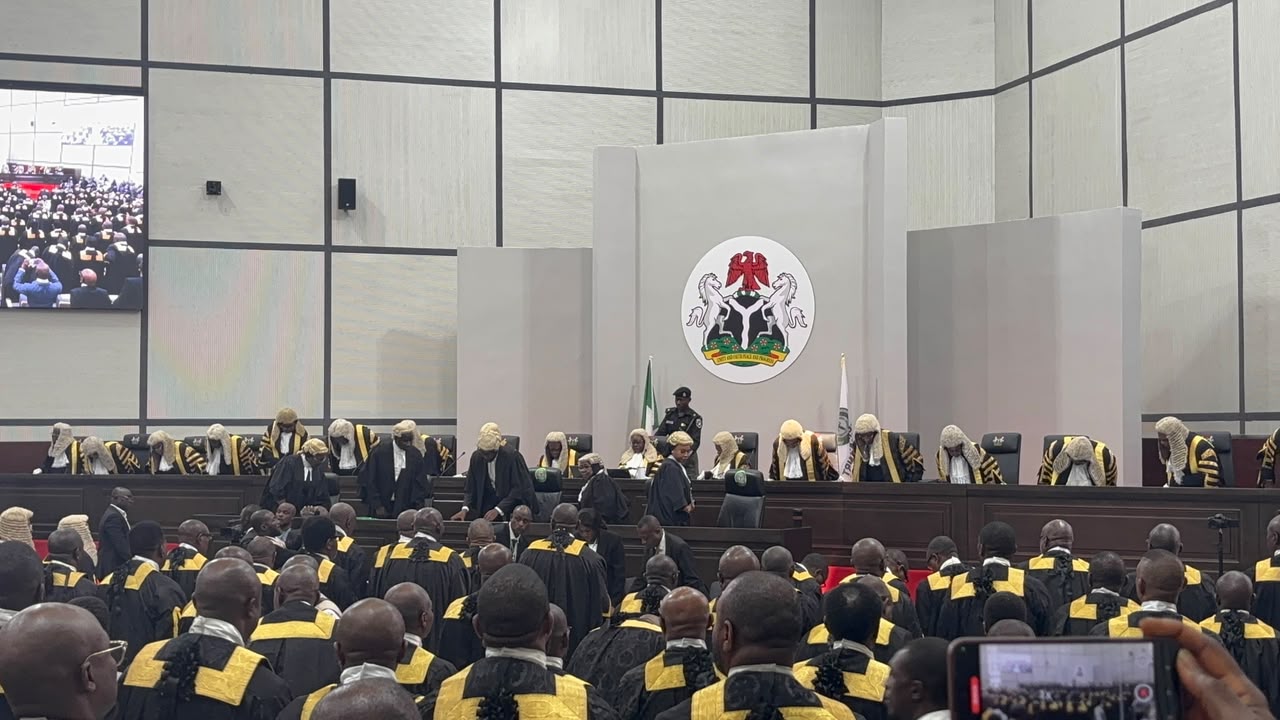
This idea was at the heart of the Second National Symposium on Crisis Communication held by the Centre for Crisis Communication (CCC) on 27 and 28 October at the Nigerian Air Force Club in Kaduna. The event, called “Inter-Agency Collaboration, Public Trust and Cyber Threat Management in Crisis Communication,” brought together over 150 participants from the military, security agencies, emergency services, government, schools, and media.
The main takeaway from Kaduna was straightforward: working together is not enough. Security agencies need to communicate together too. In an age of artificial intelligence, deepfakes, and fast social media sharing, institutions that have the facts but are slow to share them can still lose control of the story.
Major General Chris Olukolade (rtd), the CCC chairman, summed up the problem well. He said that when official information is late or contradictory, it creates space for rumors and false stories to grow. He mentioned that by the end of 2025, Nigeria would have about 109 million internet users, according to DataReportal. He also noted that the United Nations Office on Drugs and Crime estimated that Nigeria lost ₦1.1 trillion to cybercrime between 2017 and 2023. His solution was clear: “one crisis, one coordinated response.”
This approach deserves serious thought.
During national emergencies, Nigerians should not have to pick between different official stories about the same event. Security agencies should not let confusion linger until rumors seem like facts. Coordination should include what agencies say, when they say it, and how fast they get verified information to the public.
Brigadier General Murtala Abu, representing the Chief of Defence Staff, made a strong point: “Operational collaboration without communication collaboration is incomplete.” He warned that AI-created videos, sounds, and images could mislead the public. He added that problems like terrorism, kidnapping, cybercrime, oil theft, and community conflicts need a united response.
This is especially crucial as Nigeria prepares for the 2027 general elections. AI tools have made it easier to create believable fake videos and recordings. A fake statement from a security chief or an electoral official could reach millions before anyone can check its truth. Participants at the symposium warned that deepfakes and planned disinformation could threaten national security and public trust.
But technology is just one part of the problem. Trust is the other.
Ahmed Maiyaki, the Commissioner for Information and Culture, represented Kaduna State Governor Uba Sani. He said that gaining public trust is as important as fighting insecurity. He mentioned the Kaduna Peace Model, which focuses on dialogue, community involvement, sharing intelligence, and early-warning systems. He made a key observation: “Silence creates a vacuum. Credible information creates confidence.”
That statement is central to crisis communication. Sometimes silence is necessary, especially when sensitive information could put lives at risk. But unexplained silence can also cause fear. So, the challenge is not just to communicate more but to communicate responsibly: quickly enough to stop harmful speculation, accurately enough to keep trust, and carefully enough to not harm operations.
The symposium also highlighted the need for stronger institutional structures. Its statement called for an Integrated National Crisis Information Architecture, supported by clear procedures for sharing information and communicating with the public. Participants urged for tools to spot disinformation and AI-generated deepfakes, improved digital literacy, and regulations that protect national security without taking away freedom of expression and rights.
That balance is important. Fighting disinformation should not be an excuse to silence legitimate criticism. Trust cannot be built through censorship. It is earned when institutions communicate honestly, admit mistakes, provide evidence when they can, and respect the public's right to question authority.
The CCC also launched the Nigerian Journal of Crisis Communication, aimed at providing research and insights for professionals and policymakers. Olukolade noted that the Crisis Communication Hub, created after the Centre’s first symposium in November 2025, received the 2026 Golden World Award from the International Public Relations Association.
The progress from the first symposium to this one in Kaduna is significant. It shows that crisis communication is being treated more seriously as part of national resilience, not just an afterthought in security operations.
But conferences and suggestions only matter if they lead to real change in how institutions act.
The real test will come during the next big security crisis. Will agencies share verified information quickly? Will they avoid conflicting casualty numbers? Will a lead agency communicate clearly? Can they identify a deepfake before it causes panic? Will journalists get credible information fast enough to avoid spreading speculation? And will citizens trust the official information when it arrives?
These are the real measurements of success.
Nigeria's changing threat landscape needs more than weapons and intelligence. It requires institutions that know information can be both a security asset and a vulnerability. A lie can divert emergency resources, spark community conflict, or undermine trust in a legitimate operation. The symposium’s statement clearly stated that misinformation during emergencies can cause panic, waste resources, risk lives, and reduce public trust.
That is why the idea of “one crisis, one coordinated response” should not just be a slogan from a conference. It should be a guiding principle for action.
Nigeria needs security agencies that work together before crises happen, not just during them. They need spokespersons who understand both operational sensitivity and public responsibility. Journalists need to be able to check advanced digital manipulation, and citizens should be media-savvy enough to think before sharing potentially harmful content.
The Kaduna symposium has helped outline the problem and suggest a way forward. Now, the focus must be on making it happen.


Comments
No comments yet.