Health Experts Push for Better Use of Innovations in Nigeria's Healthcare
Health experts at the Future of Health Conference in Abuja call for the integration of innovations into Nigeria's healthcare system to enhance service delivery.
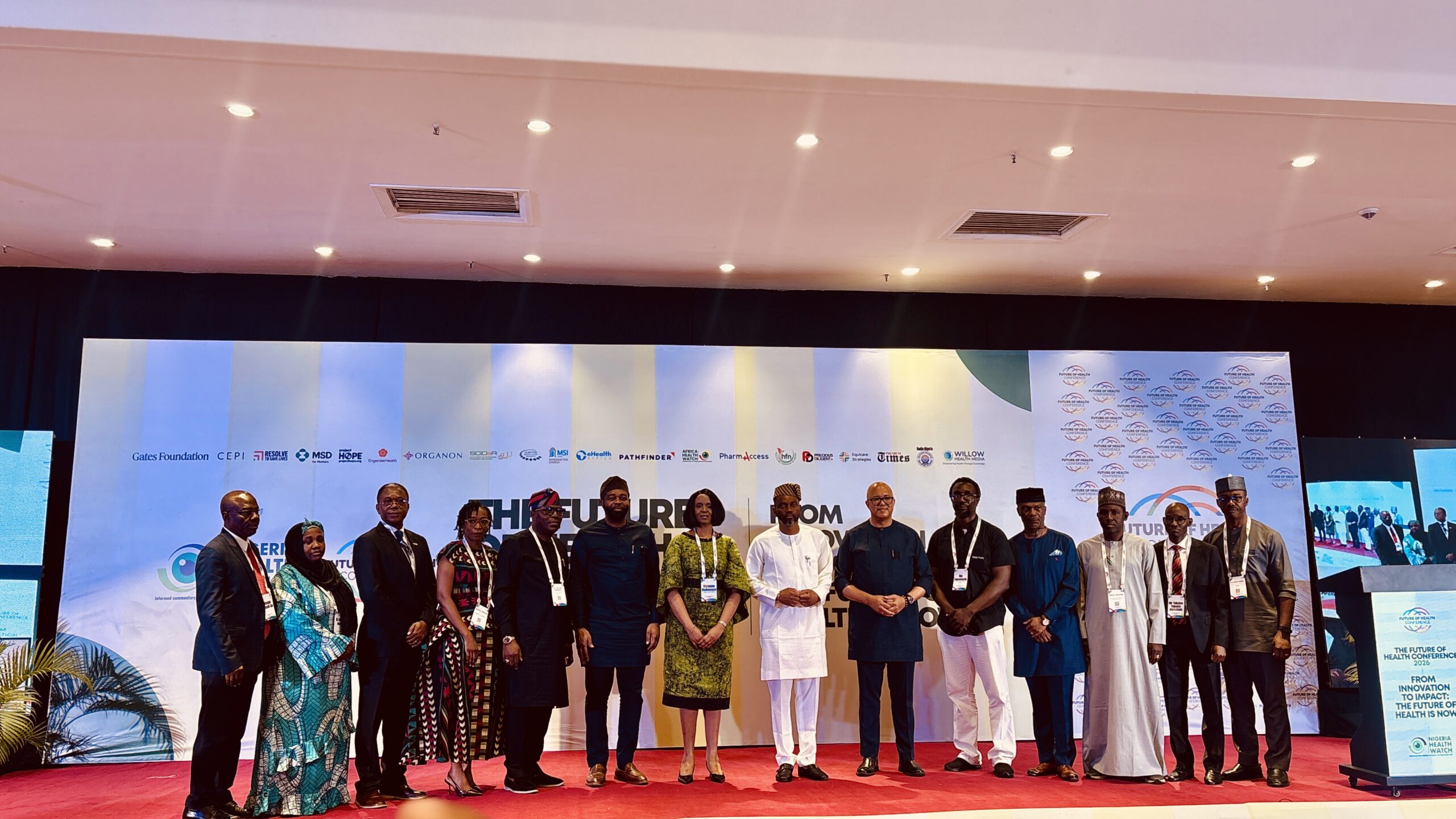
Health experts are calling for better use of health innovations in Nigeria. They want these innovations to be integrated into our health systems. This will help improve healthcare delivery and increase access to essential services across the country.
This call came on Thursday in Abuja during the 11th Future of Health Conference. The event was organized by Nigeria Health Watch. Speakers at the conference talked about the importance of evidence, political leadership, community involvement, and sustainable funding in turning innovations into real health benefits.
The conference's theme was “From Innovation to Impact: The Future of Health is Now”. It brought together policymakers, health professionals, researchers, innovators, and development partners. They discussed how research, technology, investment, and policies can solve ongoing problems in Nigeria’s health system.
Vivianne Ihekweazu, Managing Director of Nigeria Health Watch, spoke at the event. She said the focus should shift from just creating good solutions to making sure these solutions reach more people. This will lead to lasting improvements in healthcare.
Mrs Ihekweazu mentioned that since its start in 2015, the conference has been a platform for discussing universal health coverage, health financing, private sector involvement, technology, and challenges in the health workforce. She said this year’s conference was a chance to look at what stops effective innovations from being widely adopted and how partnerships can help break these barriers.
She emphasized that innovations need to go beyond just discussions and isolated projects. They must provide real benefits to the people.
Kelechi Ohiri, Director-General of the National Health Insurance Authority (NHIA), gave a keynote address. He stated that health innovations must solve real problems, provide evidence, stay financially viable, and fit into existing systems to make a big impact.
Mr Ohiri added that the authority's reforms aim to create a health financing system. This system will protect Nigerians from financial difficulties while improving access to healthcare. “The future of health is not a distant vision. Through strategic purchasing, rigorous evidence, and commitment to equity, the future of health is happening right now,” he said.
Erasmus Morah, a senior adviser at the Africa Centres for Disease Control and Prevention (Africa CDC), also spoke. He noted that scientific breakthroughs alone will not change healthcare without political will, strong leadership, and community involvement. Drawing from his experience in Nigeria and other African countries, Mr Morah explained that successful health interventions depend on turning evidence into policies and practices that meet people's needs.
He pointed out Nigeria’s progress in HIV treatment coverage. He recalled that in 2017, the coverage was about 33 percent before a national survey revised the estimate of people living with HIV. The Nigerian AIDS Indicator Survey showed that the estimated number of people living with HIV was about 1.8 million, not the previously thought 3.2 million.
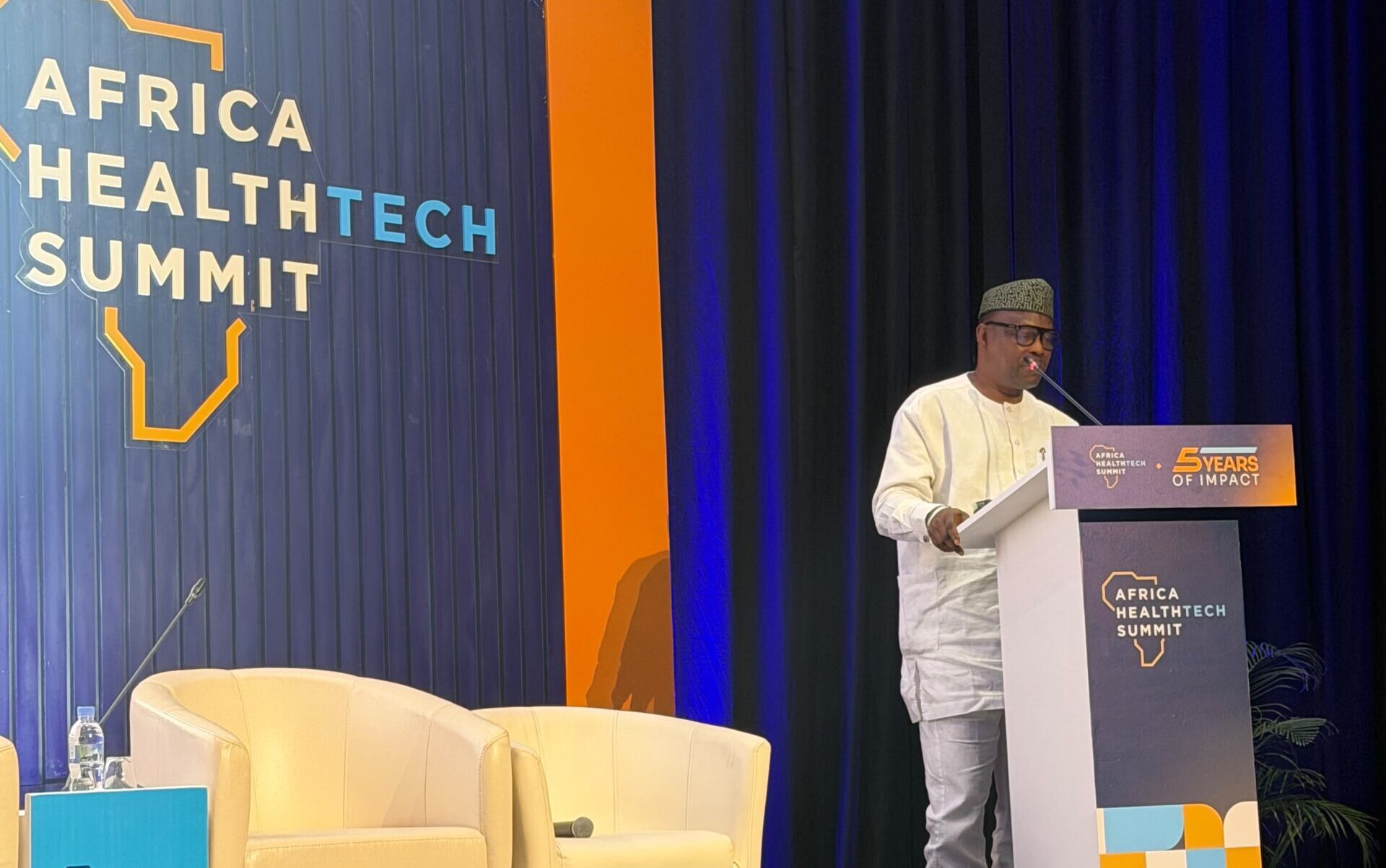
According to him, these revised estimates helped identify gaps in the country’s response and changed the reported treatment coverage. Mr Morah argued that good data can improve decision-making. But to achieve results, people must be willing to challenge old assumptions and ensure that evidence informs policy.
He also shared his experience in Malawi, where expanding HIV testing required moving from voluntary testing to provider-initiated testing. This showed the need to change policies and delivery methods when existing ones fail to reach enough people.
“Science without politics is powerless. Politics without science is dangerous,” he said. He urged governments, researchers, and communities to work together to implement effective health interventions.
Ifeyinwa Rhodes-Vivour, founder of AfroScientric, spoke about malaria genomics. She mentioned how it can help Nigeria create better-targeted interventions against the disease. She noted that traditional epidemiological methods may not give enough information about the genetic traits of malaria parasites, especially with drug resistance making treatments less effective.
She explained that genomic sequencing can help identify resistance patterns, track parasites, and provide evidence for policymakers to guide location-specific interventions. Mrs Rhodes-Vivour said her research team found differences in drug-resistance profiles between malaria parasites in northern and southern Nigeria.
She highlighted a pilot study in Lagos State in 2017 and national surveys, including a second one planned for 2025. Her team has gathered about 32,000 parasite samples, which will help develop targeted malaria interventions.
She also discussed efforts to lower the cost of genomic sequencing and make the information more accessible to policymakers through digital tools. The cost of sequencing has fallen from about $150 per sample to around $20 to $24 due to laboratory innovations.
Mrs Rhodes-Vivour added that her team created a dashboard and an AI-powered WhatsApp interface to help policymakers access malaria drug resistance information. This work shows how research and technology can be adapted to local conditions and be more useful for decision-makers.
Get more stories like this on your home page
How this story developed
- Nigerian Government and Experts Push for Better Health Innovations
Health Experts Push for Better Use of Innovations in Nigeria's Healthcare (this story)




Comments
No comments yet.