Lagos Communities Suffer from Long Power Outages
Residents in Bariga, Lagos, are frustrated with ongoing power outages lasting four months. They call for help as small businesses struggle and heat forces some to sleep outside.
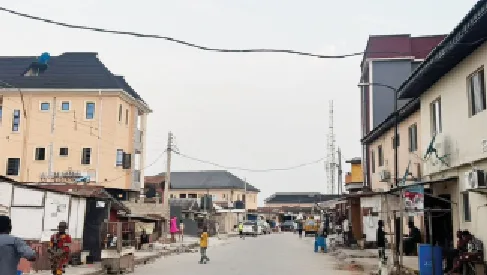
Residents of Goshen, Abuleokuta, and Kusheyin communities in Bariga area of Lagos State are unhappy about the constant power outages. They say they barely get any electricity daily.
The residents claim this situation has harmed small businesses and forced some people to sleep outside due to the heat.
According to them, the blackout has lasted about four months.
Tolani Aliu, a resident, spoke to PUNCH Metro on Wednesday and said the situation is too much to bear. He said, “Whenever the light is restored, by the time you say, ‘Thank God, the light is back,’ and you want to switch on something, they have taken the light again.”
He continued, “That is how it has been in the last three months. The cumulative supply is just about one hour or so.”
Aliu said the constant outages leave residents frustrated and unsure about when they might get steady power.
Another resident, who only gave his name as Alhaji Moshood, said those on postpaid meters pay high amounts monthly. He explained, “They always come to disconnect our light or ask for their money at the end of the month. And they even come with multiple bills for that matter.”
He added, “We have endured this several times, but now we are tired. That is why we are crying out to the authorities for intervention.”
Alhaji Moshood listed many streets in Goshen Community. These include Alubarika Street, Surulere Street, Ademolu Street, Temple Street, Adepeju Street, Adenekan Street, Ibrahim Street, Farayibi Street, and Emmanuel Street, along with Jagunmolu Road and Abuleokuta Road.
For Abuleokuta Community, the affected streets include Ososa Avenue, Alhaji Odunsanya Street, Ogoluwa Street, Falade Street, Falade Lane, Ago Owu Street, Odo Oba Street, GGY Street, Oyekunkle Street, Olokodana Street, Badejo Street, Abu Street, Okeowo Street, Adekoya Street, Otukoya Street, and Ososa Crescent.
In Kusheyin Community, residents pointed out Bello Street, Ikija Street, Church Street, Bamiji Lawal Street, Ayedun Street, Ojekale Street, Seriki Street, Ibrahim Street, James Uso Street, and Odunsin Street as areas affected by the blackout.

The blackout is not just an inconvenience. Residents say it also affects traders who rely on refrigeration to keep fish, frozen foods, drinks, and other perishables. Ayo Ibikunle, a resident, said many small traders have lost money because they can't keep their products fresh or attract customers looking for cold drinks.
He stated, “There are women selling fish and frozen foods whose businesses have been rendered almost useless.”
He continued, “The people selling drinks and pure water are also affected because they cannot keep their products cold. People would rather go to other areas where there is electricity to buy what they need. Some of these traders do not have generators because they cannot afford them.”
Mariam Ali, a petty trader who sells soft drinks, biscuits, and other items, also shared her worries. She has a six-month-old baby and said the blackout has hurt her sales. “The lack of electricity has affected my business. This is the main source of power supply for me. There is heat, and people are always coming around asking for cold drinks. They should please help us so we can survive through our means of livelihood,” she said.
Residents mentioned that businesses like printing shops, small hotels, and other commercial places also struggle due to the poor power supply. Some health facilities in the area depend on diesel generators.
Living conditions have gotten worse because of the blackout. Comfort Ejeh, one resident, said some families, including pregnant women and children, sleep outside at night due to the heat and lack of air in their homes. She said, “Bariga has many small rented apartments, and when there is no electricity, the heat becomes unbearable. Some people cannot sleep inside their rooms, so they come outside at night.”
She added, “You would see people outside at 2 am, 3 am, and even 4 am because of the heat. Pregnant women and children are among those affected.”
Ejeh also expressed worry that sleeping outside could put vulnerable residents at risk, especially at night.
The spokesperson for Ikeja Electric Distribution Company, Kingsley Okotie, could not be reached for a response. Calls to his phone did not connect, and a text message had not received a reply by the time this report was written.



Comments
No comments yet.