African Governments Urged to Prioritize Biodiversity Funding
African governments must commit to biodiversity funding, as emphasized by AfDB's Arona Soumare during CBD COP17. Real investment is needed for progress.
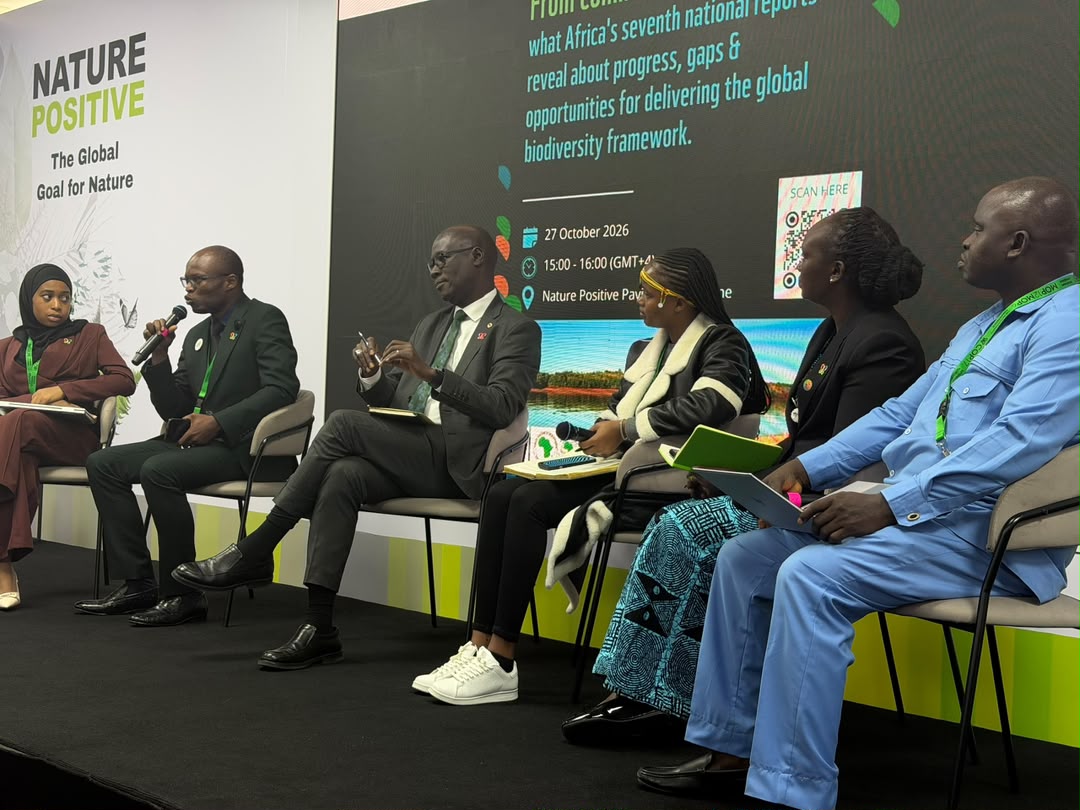
African governments need to show a stronger commitment to protecting biodiversity. They should include it in their national investment plans and set aside resources for it. This was the message from Arona Soumare, the Chief Climate Change and Green Growth Officer at the African Development Bank (AfDB).
Mr Soumare spoke during a panel discussion at the 17th Conference of the Parties to the Convention on Biological Diversity (CBD COP17) in Yerevan, Armenia. The discussion was organized by the World Wide Fund for Nature (WWF) and focused on the theme “From Commitments to Action: What Africa’s Seventh National Reports Reveal About Progress, Gaps and Opportunities for Delivering the Global Biodiversity Framework.”
He explained that many African countries struggle to find enough funding for biodiversity projects. Often, they go to development financiers for other priorities. Biodiversity is treated as an afterthought instead of a main investment goal.
Mr Soumare said that African nations need to go beyond just making promises under the Kunming-Montreal Global Biodiversity Framework (GBF). They must show their commitment through real investment decisions.
“Most of the time, African countries are not pushing the bank. There’s a big pool of projects we have met so far coming from the outsiders. You barely see an African country coming to us with a good and sound proposal on biodiversity,” he noted.
He pointed out that governments often ask the bank for funding for other development needs, with biodiversity as a secondary concern. “This is an issue we have to face. If you are not able to, at country level, I don’t see any point coming to the other one and asking for something which is a priority for us, if you’re not willing to put our money on it,” he added.
Mr Soumare highlighted that one of the biggest challenges to funding biodiversity in Africa is the fragmentation of financial support across different sectors. He noted that the bank works with countries through Country Strategy Papers. These papers guide discussions on national development priorities and decide which investments to include in its portfolios.
He stressed that biodiversity conservation should be part of these priorities. It should not be seen as separate from infrastructure, food security, livelihoods, and other national goals.
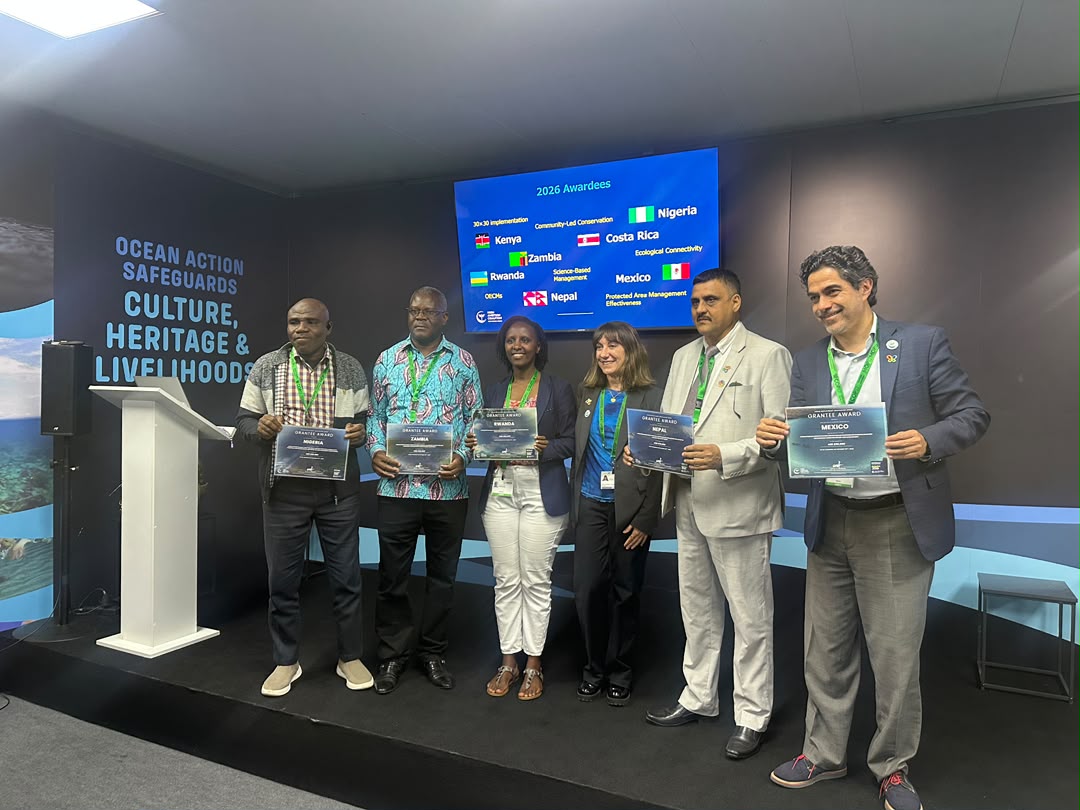
Using Madagascar as an example, Mr Soumare mentioned that national funds could back private-sector projects for national parks and help draw in more financing. He also called for more flexible funding methods to support both large conservation programs and smaller community projects.
While the bank does offer funding to grassroots organizations, he said the resources available are still not enough to meet the demand. “When I have a call for proposals, I’ll be able to fund maybe three out of 10 applications I’m getting,” he said.
Mr Soumare suggested a blended finance approach. This means combining local resources with international funding. He also mentioned the idea of green banks, green lines of credit, and other financial channels to boost investments in biodiversity conservation.
He pointed out that nature-related bonds could help attract capital from financial markets. There is a need for governments and development partners to build a stronger case for investing in ecosystems.
During the same discussion, Daniel Mukubi from the Democratic Republic of Congo’s Ministry of Environment and Sustainable Development said lack of funding is a major barrier to meeting biodiversity commitments. He noted that conservation often competes with urgent national issues like food security, energy, infrastructure, and poverty.
Mr Mukubi believes that regional cooperation can help countries tackle some of these challenges. By pooling expertise and strengthening institutional capacity, countries can work better together. He mentioned training for technical experts in the region to improve geographic information system (GIS) and biodiversity mapping skills. This knowledge could support regional planning toward the global 30-by-30 conservation target.
The 30-by-30 target aims to protect at least 30 percent of the world’s land, inland waters, and coastal and marine areas by 2030.


Comments
No comments yet.