The Nigeria Centre for Disease Control and Prevention (NCDC) has said new Lassa fever infections are down. But they warned that the outbreak is still a big public health issue as deaths keep increasing.
According to the latest Lassa fever report for Epidemiological Week 27, Nigeria had 14 new confirmed cases. This is down from 31 cases reported the week before.
The new cases were found in Ondo, Edo, Bauchi, Benue and Kogi states.
Even with fewer new infections, the disease has already taken 224 lives in 2026. The case fatality rate has also gone up to 23.9 percent, compared to 18.9 percent during the same time last year.
The NCDC shared that confirmed cases are now in 23 states across 113 local government areas this year.
Five states hold most cases
The agency noted that five states are responsible for 85 percent of all confirmed Lassa fever cases this year.
Ondo State has the highest burden, making up 30 percent of the confirmed cases. Bauchi follows with 25 percent, then Taraba with 14 percent, Edo with 10 percent, and Benue with six percent.
The other 15 percent of confirmed cases were found in 18 other states.
The NCDC also pointed out that the disease mainly affects young adults. People aged 21 to 30 years have the most confirmed infections.
Patients' ages range from one to 93 years, with an average age of 30 years. The male-to-female ratio among confirmed cases is 1:0.9.
The report also mentioned an increase in both suspected and confirmed cases compared to the same period last year.
No healthcare worker got infected during the reporting week.
Response measures and challenges
The NCDC said the National Lassa Fever Incident Management System is still active to coordinate response efforts across the country.
During this period, the agency and its partners trained healthcare workers in states like Bauchi, Taraba, Ondo and Ebonyi. They focused on case management, infection prevention and control, screening and triage.
Community engagement activities took place in Edo and Ondo states. They targeted religious and traditional leaders, farmers, and market women to raise awareness and promote early healthcare seeking.
Other actions included searching for active cases, tracing contacts in high burden states, giving personal protective equipment to health facilities, and laboratory testing to help with early diagnosis. Emergency response systems were also activated in Benue, Plateau, Kebbi, Kano, Gombe and Oyo states.
The agency created a 30-day healthcare worker protection plan to cut down infections among frontline workers. They also reviewed the national case management guidelines with help from partners.
Despite these efforts, the NCDC found several reasons for the high fatality rate.
These include late presentation of patients at health facilities, high treatment costs, poor sanitation in affected areas, low public awareness, and earlier infections among healthcare workers.
Recommendations
To improve the response, the NCDC urged state governments to keep up community engagement and public awareness campaigns on Lassa fever prevention.
They also advised healthcare workers to stay alert for the disease, refer suspected cases for treatment quickly, and follow infection prevention and control measures closely.
The agency called on partners to keep supporting states in building their ability to prevent, detect, and respond quickly to Lassa fever outbreaks.
What is Lassa fever?
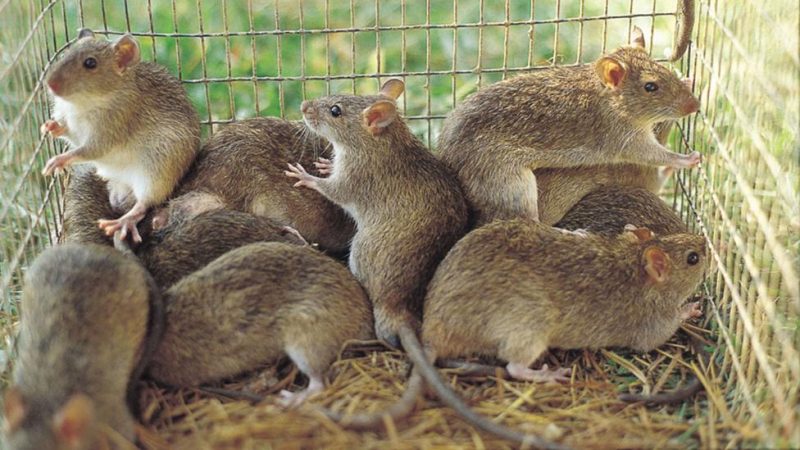
Lassa fever is a serious viral illness caused by the Lassa virus. It spreads to humans mainly through contact with food or household items contaminated by the urine or faeces of infected rats.
It can also spread from one person to another through contact with bodily fluids.
The disease often starts with fever, weakness, and headache. It can get worse with bleeding, difficulty breathing, swelling, and organ failure.
Early diagnosis and quick treatment with Ribavirin are key to improving survival.




Drop your comment
No comments yet — be the first to drop the gist 👇