Most Nigerian Adults Want Cuts in Methane Emissions, Survey
A recent survey reveals that nearly 90 percent of Nigerian adults support cutting methane emissions. Concerns about climate change and environmental issues are rising.
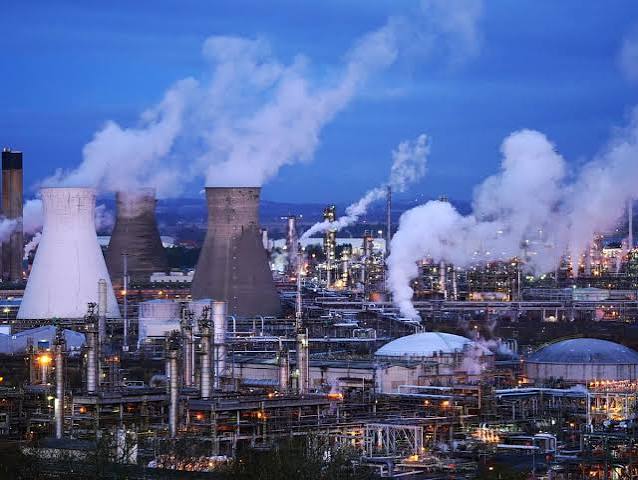
Almost 90 percent of Nigerian adults want action to cut methane emissions. This gas is a major contributor to global warming. A new survey shows this strong support.
This number is up by 17 points from the 72 percent seen in 2024. The survey also reveals that over half, 53 percent, of Nigerian adults are very worried about climate change.
The Global Methane Hub (GMH) conducted the survey with the Yale Program on Climate Change Communication (YPCCC). They released the results on October 29.
The survey took place in Nigeria and 17 other countries. It aimed to find out how much people know about climate change and methane emissions. It also looked at their views on ways to reduce methane pollution.
The results show that people are even more worried about immediate environmental issues. About 67 percent of Nigerians said they are very concerned about poor water quality. Sixty percent share similar worries about flooding and access to clean drinking water. Another 55 percent are very concerned about bad air quality.
Researchers say the results show how climate change is affecting Nigeria. The country has been facing more intense rainfall and flooding, which threatens communities, infrastructure, and water systems.
The findings also confirm concerns that PREMIUM TIMES has raised about methane emissions in Nigeria's oil and gas sector. These emissions impact the lives and livelihoods of people living in oil-producing areas.
Nigeria has major challenges with methane emissions, mainly because of oil and gas production, routine gas flaring, and old infrastructure. There are ongoing worries about enforcing rules on gas flaring and methane emissions.
Methane leaks and gas flaring in the Niger Delta have led to environmental pollution. This pollution has contaminated local water, damaged farmland, and caused health issues.
In Bille, Rivers State, for example, serious methane bubbling and water well contamination have created health and safety problems for residents.
The burning and venting of gas also cost Nigeria a lot of money. Billions of cubic feet of gas that could be captured and sold are wasted every year.
Environmental Concerns Rising
In July, heavy rainfall caused widespread flooding in Nigeria, including Lagos. The saturated soils raised the risk of flash floods. Authorities warned that 27 states might be affected.
As the rainy season got worse, officials put 14 states on flood alert. This highlighted the growing risks for communities already facing flooding, poor water quality, and limited access to safe drinking water.
Methane is a short-lived climate pollutant and one of the best targets for slowing global warming quickly. It is over 80 times more powerful than carbon dioxide in 20 years.
Cutting methane emissions can bring big health and economic benefits, like better air quality and less pollution exposure.
"As flooding and water challenges put more pressure on communities across Nigeria, the need to tackle methane is clearer than ever," said Marcelo Mena, CEO of the Global Methane Hub.
"This survey shows strong support for methane action, with nearly nine in ten Nigerians supporting efforts to cut emissions. In the oil and gas sector, for instance, reducing methane leaks, venting, and flaring lowers pollution and safety risks for communities while helping to slow warming.
"It also makes Nigerian oil and gas more competitive, as buyers in markets like Europe want lower-methane supply."
Tengi George-Ikoli, Nigeria Country Manager at the Natural Resource Governance Institute (NRGI), said Nigerians have good reasons to worry about methane emissions and their effects on health, the environment, and livelihoods.
"Nigerians are right to be concerned about methane emissions and the harm they cause to health, environments, and livelihoods," she said.
"In parts of the Niger Delta, those costs are already being felt. So communities are right to call for stronger enforcement of environmental regulations and clear ways to prevent, reduce, and respond to methane-related harm.
"As Nigeria increases its use of gas, cutting methane emissions must be a priority to support livable communities, protect vulnerable people, and help the country meet its climate goals."
Anthony Leiserowitz, Director of the Yale Program on Climate Change Communication, said knowing what the public thinks is key for good policymaking.
"Understanding what people know and think is essential to effective public communication and policymaking," he said.
"Reducing methane is one of the fastest ways to limit global warming. It is critical that the public understands both the challenge and the solutions.
"This research helps provide the data needed to spot public knowledge gaps, improve communication campaigns, and encourage informed citizens to join efforts against climate change."
Survey Key Findings
The survey found that 69 percent of Nigerian respondents think climate change is caused by human activities. Eighty-nine percent support measures to cut methane emissions.
It also revealed that nearly two-thirds, 64 percent, of respondents know about methane.
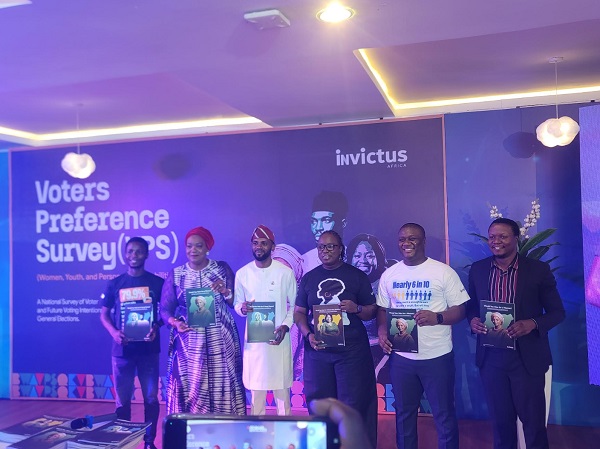
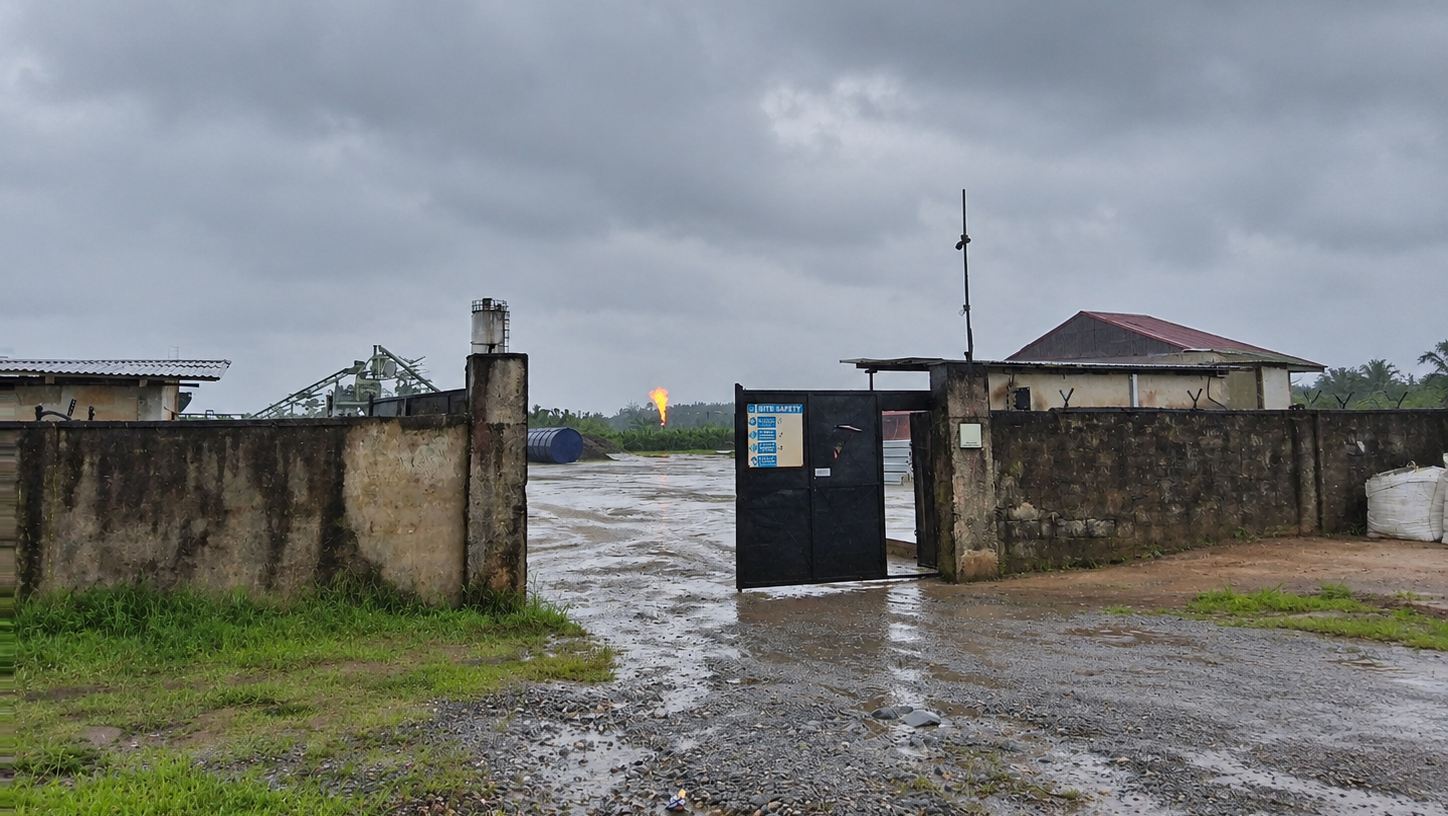
Oil and gas companies are seen as major contributors to climate change but also as key players who can help fix it.
About 57 percent of respondents ranked oil and gas companies among the top three contributors to climate change. Seventy-eight percent think these companies can make significant changes.
Nigerians Want Industries to Act on Climate Change
The findings show strong support for cutting methane emissions across the three main sectors that cause most human-made methane pollution: agriculture, waste, and energy.
In agriculture, 84 percent of respondents support efforts to reduce methane emissions. Eighty-eight percent back measures to cut emissions from waste disposal.
The same 88 percent also support reducing methane emissions from energy production.
Overall, the 89 percent support for methane reduction matches the number of respondents who want broader climate action.
The report shows that there is wide public support for industry-led actions and stronger environmental protections.
It also notes that Nigerians see corruption as a major hurdle to enforcing environmental rules.
With strong support for methane reduction across all three sectors, the report says policymakers and industries have a chance to push solutions that cut pollution and improve accountability.
Global Support for Methane Cuts Remains High
The international survey included 18 countries across four continents. These countries include Brazil, China, Denmark, Ethiopia, Germany, Greece, Indonesia, Italy, Malaysia, Morocco, Nigeria, Paraguay, South Africa, South Korea, Spain, the United Arab Emirates, the United Kingdom, and Uruguay.
The online survey gathered responses from 12,189 adults, with at least 700 from Nigeria.
Participants answered questions about their views on climate change, environmental issues, awareness of methane emissions, and support for policies to cut methane pollution.
Across all countries, 85 percent of respondents supported action to reduce methane emissions, showing strong international backing for efforts to tackle this gas.
Support was especially high in Asia, Africa, and Latin America, reaching 94 percent in South Korea, 91 percent in Malaysia, 90 percent in China and Brazil, and 89 percent in Nigeria and South Africa.
The results also showed that those who felt the impacts of climate change more strongly were more likely to support cuts in methane emissions.
People expressed worry about the real effects of climate change in their communities, like extreme heat, wildfires, drought, flooding, and bad water quality.
Waste was identified as a key area for methane reduction in many countries, along with strong backing for changes in the energy and agriculture sectors.
The report further stressed that people expect governments and industries to take more responsibility for cutting methane emissions.
Why Cutting Methane Matters for Climate Change
The report states that reducing methane is one of the quickest ways to slow global warming. Methane is responsible for about 30 percent of the warming since pre-industrial times and is over 80 times stronger than carbon dioxide over 20 years.
Unlike carbon dioxide, which can stay in the atmosphere for hundreds of years, most methane breaks down in about ten years.
The report says cutting human-caused methane emissions by 45 percent this decade could prevent nearly 0.3 degrees Celsius of warming by 2045. This can help keep global climate goals in sight.
Reducing methane emissions would also improve air quality, protect farming, create jobs, strengthen food systems, reduce health risks, and help communities bounce back from challenges.
The report emphasizes that since methane pollution crosses borders, everyone must work together. Governments, businesses, researchers, and communities need to coordinate for significant reductions.
Melissa Bell, Senior Vice President of Research at Global Strategy Group, GMH's research partner, said the findings across countries show strong public support for cutting methane emissions.
"The consistency of these findings sends a clear signal: support for reducing methane emissions is strong and lasting," she said.
"People care about the impacts of climate change. They want action in the major sources of methane emissions, and they expect those who can make a difference to take responsibility."

Comments
No comments yet.