Reps want to limit investment to protect trust fund beneficiaries
The House of Representatives is pushing for a 20 percent cap on trust fund investments to safeguard beneficiaries. This is part of the new Trustee Investment Bill.
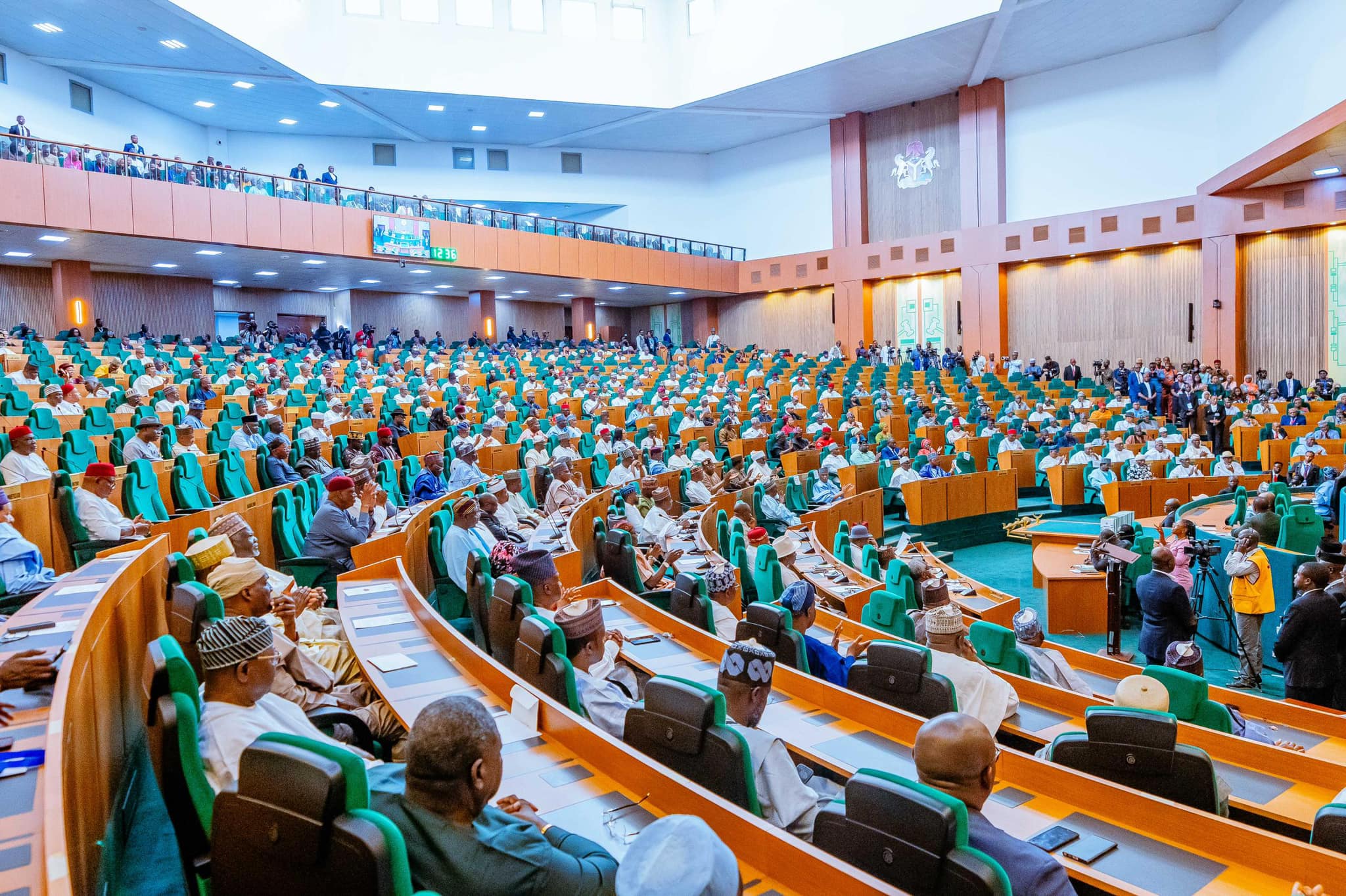
The House of Representatives is pushing to limit how much trustees can invest in one place. The proposed cap is 20 percent of a trust fund's portfolio. This move aims to reduce financial risks and protect the assets of beneficiaries.
This idea is part of the Trustee Investment Bill, 2026 (HB 2762). The bill plans to replace the old Trustee Investment Act from 1957. It aims to create a better legal structure for managing trust assets.
The bill also wants to widen the types of financial instruments that trustees can invest in. It introduces stricter obligations for trustees and better oversight and reporting.
Solomon Bob, the Chairman of the House Committee on Capital Market and Institutions, shared the proposed investment limit on Monday. This announcement came during a public hearing on the bill at the National Assembly in Abuja.
Mr Bob said the 20 percent limit, found in Clause 4, is meant to stop trustees from putting too much of beneficiaries' money in one investment or institution. He noted that this reform is necessary because the old law dates back to 1957. At that time, Nigeria's financial system was not as developed, and investment choices were limited.
He explained that Nigeria now has a capital market valued at over N80 trillion and pension assets exceeding N30 trillion. There are many investment options today that were not available when the old law was made.
“Today, we have a sophisticated capital market worth over N80 trillion, pension assets over N30 trillion, and new asset classes from REITs to Infrastructure Funds to Green Bonds. The world has moved. Our law has not. This hearing is to correct that,” he said.
Under Clause 3, the proposed bill wants to offer trustees more investment options. This includes corporate bonds, equities, collective investment schemes, Exchange Traded Funds (ETFs), Real Estate Investment Trusts (REITs), infrastructure funds, and real estate.
It also allows for foreign investments through licensed custodians, private equity, regulated virtual assets, and bonds that meet environmental, social, and governance (ESG) standards. Mr Bob said these new options would help trustees diversify their portfolios and achieve better returns while managing risks.
Besides expanding investment choices, the bill aims to set clear duties for trustees. Clause 5 includes principles like loyalty, prudence, care, and fairness into the responsibilities of trustees.
Trustees will need to manage assets carefully and ensure their own interests do not come before those of the beneficiaries. The bill also wants to let trustees hand over investment tasks to professionals, like fund managers and custodians, as outlined in Clause 6.
But even if trustees delegate these tasks, they will still be responsible for choosing and supervising the professionals managing the assets. To increase transparency, Clauses 7 and 8 require fair valuation of trust assets and yearly reports to beneficiaries.
These rules aim to let beneficiaries know about the value, management, and performance of their assets. At the same time, Clause 10 seeks to ban speculative transactions, futures contracts, and investments in unregulated schemes.
Clause 11 wants to give the Minister of Finance the power to issue regulations for this law, in consultation with the Securities and Exchange Commission (SEC) and other relevant bodies. Mr Bob said this would help the rules keep up with new financial products without needing constant changes to the law.
Despite plans for broad consultations, Mr Bob was disappointed by the low turnout of invited institutions. Only three out of about 12 institutions showed up for the public hearing. He described their absence as a sign that some agencies were not taking the legislative process seriously.


The Securities and Exchange Commission, Debt Management Office (DMO), and the Association of Corporate Trustees were present. They made submissions and gave recommendations on the proposed legislation. Other invited groups included the Ministries of Justice and Finance, the National Pension Commission, and the Nigeria Deposit Insurance Corporation.
Mr Bob noted that the committee received eight memoranda before the hearing but is expecting more contributions from stakeholders. He said the presence of these institutions is vital because their knowledge can help spot conflicts between the new law and existing financial regulations.
He highlighted the SEC as key to the process, as the bill suggests it will be the main regulator. The National Pension Commission is also expected to provide technical input on pension assets, while the DMO and Nigeria Deposit Insurance Corporation will offer insights on public debt and financial stability.
The committee chairman urged stakeholders to review whether the proposed 20 percent investment limit is suitable and if lower limits should apply to riskier investments. Speaker of the House of Representatives, Abbas Tajudeen, called for a full review of the laws on trustee investments. He said the current rules do not fit Nigeria’s changing financial market.
Mr Tajudeen, represented by Abubakar Sarki, said new financial instruments and investment options have made the 1957 law outdated. He sees the proposed law as a chance to create a framework that suits modern investment while also protecting the interests of individuals and institutions with trust assets.
He pointed out that trustee investment is not just about finances. It also involves protecting inheritances, family wealth, and resources for charities. “Behind every trust may be the inheritance of a child, the security of a widow, the resources of a charitable institution or the accumulated wealth of a family. The law must ensure that these interests are adequately protected,” he said.
But he warned that the reform must balance protecting trust assets while allowing for reasonable returns. Mr Tajudeen cautioned that overly strict investment rules could limit beneficiaries’ chances to grow their assets. At the same time, weak rules could lead to reckless decisions and losses.
“The challenge is to strike the right balance between preserving trust assets and enabling reasonable returns on investment. An excessively restrictive framework may deny beneficiaries legitimate opportunities for growth, while an inadequately regulated one may expose their assets to imprudent decisions and avoidable risks,” he said.
He stressed that expanding investment options must go with stronger protections, good risk management, and clear responsibilities for trustees. “The governing principle must remain unmistakable: trustees hold assets for the benefit of others, not for their personal advantage. Their decisions must therefore be guided by prudence, integrity, transparency and an overriding commitment to the interests of beneficiaries,” he said.
Mr Tajudeen also warned that updating the investment rules should not create room for speculative activities or put trust property at unnecessary risk. He highlighted the economic benefits of changing the trustee investment framework, especially its ability to gather long-term domestic capital for infrastructure and business growth.
He said Nigeria needs significant long-term funding to deal with its infrastructure issues, increase production capacity, and boost economic activity. He believes a reliable system for managing trust investments can enhance the capital market and better mobilize local resources.
However, he insisted that these economic goals should not come at the expense of the financial security and rights of beneficiaries. “Nigeria needs substantial long-term capital to address its infrastructure deficit, expand productive capacity and stimulate enterprise. A credible framework for managing trust investments can deepen capital markets and more effectively mobilise domestic resources. But this economic objective must always be pursued without compromising the rights and security of beneficiaries,” he said.
Mr Tajudeen urged everyone at the hearing to closely examine the proposed investment types, limits on diversification, trustee obligations, professional delegation, and regulatory oversight. He said the committee should create laws that are practical, enforceable, and able to adapt to future changes in the financial sector.





Comments
No comments yet.