Northern Nigeria Sees Most Maternal Deaths, Report
Women in northern Nigeria are facing alarming maternal death rates, particularly in rural areas. The latest report shows significant health disparities.
Women in northern Nigeria face a serious problem with maternal deaths. The Northwest and Northeast regions make up about three-quarters of reported deaths in health facilities, according to the 2026 Joint Annual Review (JAR) Statistical Book.
The report also shows a big gap in maternal health between rural and urban areas. Rural women have a maternal mortality ratio of 656 deaths per 100,000 live births. In contrast, urban areas report 444 deaths per 100,000 live births.
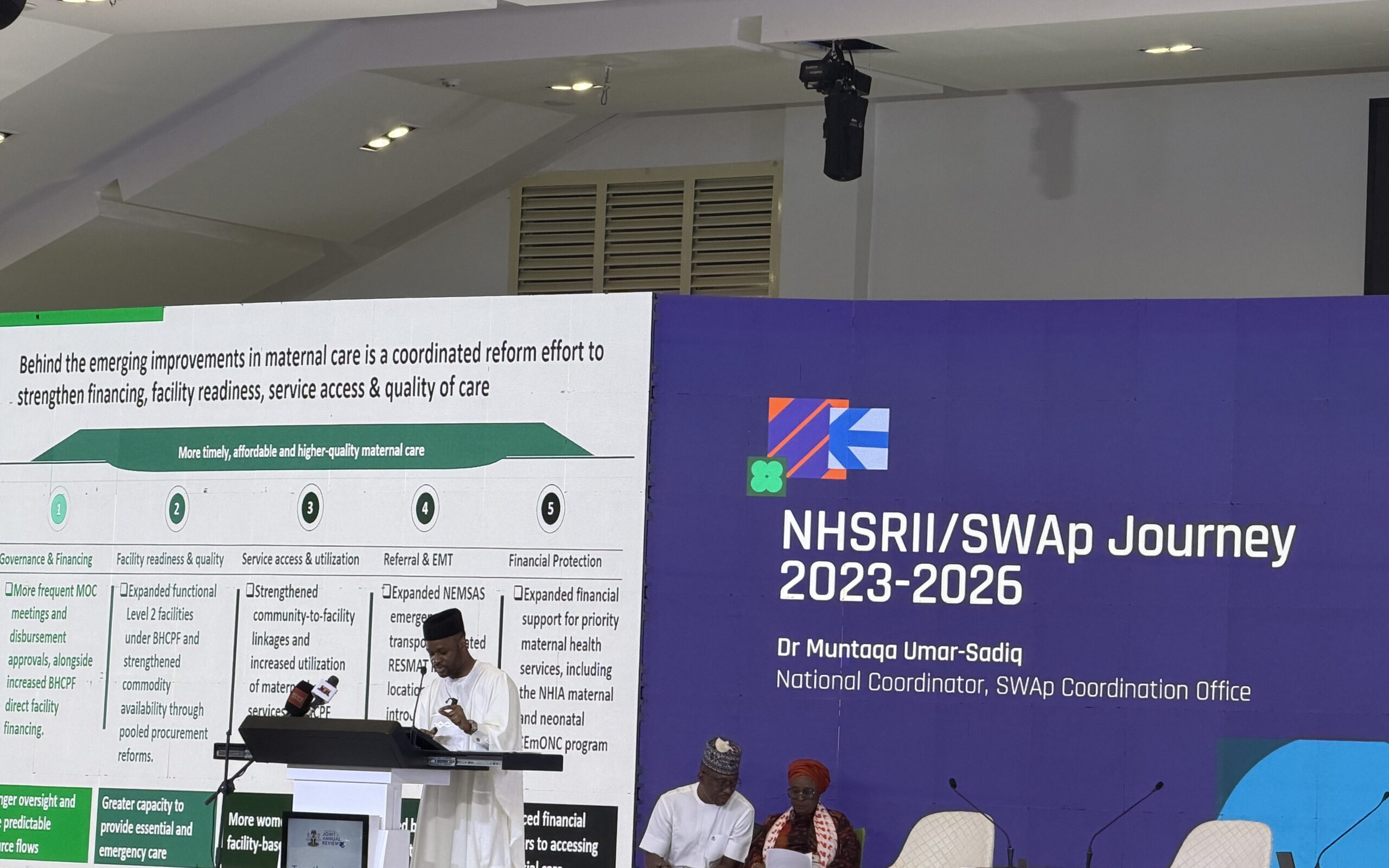
This report comes from the Federal Ministry of Health and Social Welfare. It reviews the third year of the Health Sector Strategic Blueprint. The report was shared at the third Nigeria Health Sector Joint Annual Review in Abuja on 10 November.
The findings show ongoing inequalities in access to maternal healthcare, even with a reported drop in maternal deaths across the country.
Between January and September 2026, Nigeria recorded thousands of maternal deaths in health facilities. However, these figures only include deaths reported by health facilities.
The ministry said the numbers might be underreported or overreported. Still, they believe the data is useful for tracking health sector trends.
Maternal mortality means a woman dies during pregnancy, childbirth, or within 42 days after pregnancy ends. This is due to causes related to or made worse by pregnancy or its management.
Most maternal deaths can be prevented with timely access to good antenatal care, skilled birth attendance, emergency obstetric services, and proper postnatal care.
Despite some reported improvements, Nigeria’s maternal mortality ratio is still a big public health issue.
The JAR Statistical Book states Nigeria’s maternal mortality ratio is 572 deaths per 100,000 live births. This is much higher than the Sustainable Development Goal target of fewer than 70 deaths per 100,000 live births by 2030.
This situation is especially worrying since Nigeria contributes significantly to global maternal deaths.
In its 2023 report, “Improving Maternal and Newborn Health and Survival and Reducing Stillbirths: Progress Report 2023”, the World Health Organisation (WHO) estimated that Nigeria had 82,000 maternal deaths, 181,000 stillbirths, and 277,000 neonatal deaths in 2020.
These combined 540,000 deaths make up 12 percent of global maternal, stillbirth, and neonatal deaths. Nigeria only has six percent of global live births.
The report ranks Nigeria second after India for the highest combined burden of maternal deaths, stillbirths, and neonatal deaths.
According to the JAR data, there is a downward trend in reported maternal deaths over the review period.
Nigeria recorded 5,391 maternal deaths in health facilities in 2024. This was down from 4,455 in 2025.
The figure decreased further in 2026, but the exact total needs to be confirmed against the final statistical table. Quarterly data also show improvements.
After a peak in the second quarter of 2024, maternal deaths and the maternal mortality ratio generally went down. By the third quarter of 2026, the maternal mortality ratio fell to 128 deaths per 100,000 live births, a drop of about 46 percent from the earlier peak.
Maternal deaths during the same period also decreased by roughly 40 percent to 947.
But these improvements are not even across the country.
The report shows that maternal deaths in the last three years are mostly from the Northwest and Northeast regions.
By 2026, these two regions accounted for about three-quarters of all registered maternal deaths in health facilities.
The five northern states with the highest maternal mortality rates were Kano, Borno, Jigawa, Yobe, and Katsina.
While the national figures show a downward trend, maternal deaths reportedly increased in the two northern regions. This is different from reductions in the southern parts of Nigeria.
In most southern states, fewer than 50 maternal deaths were recorded. The states with the lowest numbers included Osun (four deaths), Abia (five), Enugu (eight), Ekiti (nine), and Bayelsa (nine).
The report also mentions the burden of maternal morbidity. This includes complications that can affect women’s health, wellbeing, and livelihoods. In 2026, about 3,060 women were diagnosed with vesicovaginal fistula (VVF), down from 4,350 in 2025.
VVF is an abnormal opening between the bladder and vagina, leading to constant urine leakage after prolonged or obstructed labor.
Of the women diagnosed in 2026, 1,737 had surgical repair, which is 56.8 percent of those diagnosed. This is lower than in 2025 when 2,564 women (59 percent) had repairs.
The Northwest and Northeast again had the highest numbers, with 1,420 and 982 cases, respectively, in 2026. These figures highlight the need for better access to emergency obstetric care, timely referrals, and surgical treatment in underserved communities.
Get more stories like this on your home page
How this story developed
- Northern Nigeria Faces High Maternal Death Rates, Report
Northern Nigeria Sees Most Maternal Deaths, Report (this story)
Comments
No comments yet.