October: A Month for Reflection and Accountability
October serves as a reminder for Nigerians to confront unresolved injustices. We reflect on the legacies of Dele Giwa and the #EndSARS protests.
I suggest that we recognize October as our National Month of Conscience. Not just for ceremonies. Not only for speeches and laying wreaths. But a time to reflect, tell the truth, and face unresolved injustices.
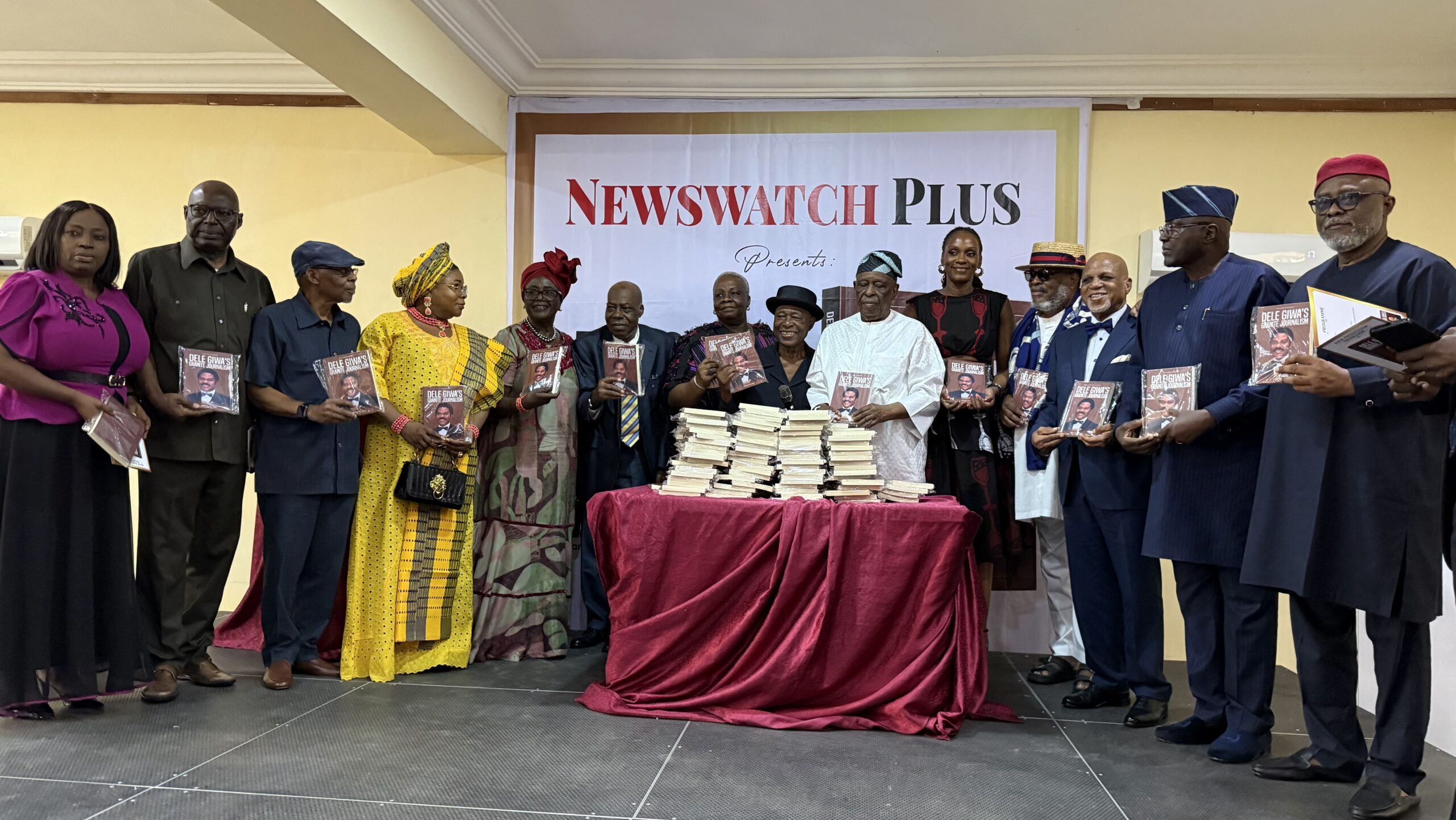
Nigeria marked two painful anniversaries last week. On 19 October, we remembered Dele Giwa, the founder of Newswatch magazine, who was killed by a parcel bomb at his home in Ikeja in 1986. The next day, on 20 October, we reflected on the #EndSARS protests and the violence that followed, which happened six years ago.
Two national tragedies. Thirty-four years apart. Yet they raise the same question: what does a nation do when it has deaths it cannot explain, injustices it has not resolved, and closure it fails to provide?
Giwa’s assassination was once a rallying point for Nigerians who cared about justice. But those days feel far away. Many who kept his memory alive have passed away. Others are now old. The public outrage has also faded. Forty years after his murder, Nigeria still has no clear answer about who killed him, who ordered it, and why it happened.
The failure to solve Giwa’s murder has always shown a common problem: slow action from officials and a lack of interest. Recently, the Federal Government has shown a troubling disregard for a court order to investigate his killing and prosecute those responsible. Media Rights Agenda (MRA) has renewed its call for the government to comply fully with the order it secured at the Federal High Court in Abuja on 16 February 2024, against the Attorney-General of the Federation. MRA’s Deputy Executive Director, Ayode Longe, said the government has made no real progress in establishing the facts, identifying those responsible, or pursuing accountability.
The Attorney-General of the Federation must now give Nigerians a clear explanation of what steps have been taken to follow the court order. Four decades cannot erase the State’s duty to seek justice for an unlawful killing.

The anniversary brought back another painful memory. In October 2020, young Nigerians protested against police brutality, especially the abuses by the now-disbanded Special Anti-Robbery Squad. They had clear demands. They wanted an end to unlawful arrests, extortion, torture, and the killing of citizens by those meant to protect them.
The protests spread across the country. They also ended in violence. In Lagos and other places, lives were lost. Six years later, the questions remain. Who died? Under what circumstances? Who is responsible? And what has changed enough to assure Nigerians that the same abuses will not happen again? These are not questions an anniversary should just recall. They demand answers.
The controversy from three years ago over a leaked memo showing that the Lagos State Government approved ₦61.285 million for the mass burial of 103 people identified as #EndSARS victims is hard to forget. The document circulated widely on social media. Its claims have been disputed, and the public deserves a clear, credible account of what it really meant.
The government cannot expect a matter of such importance to fade with time. If the document is real, its meaning must be clarified. If its claims are false, that must also be proven with evidence. The identities of those buried, the circumstances of their deaths, and the reasons for the burial arrangements should not remain unclear.
A question still hangs over the violence of October 2020. Who ordered the shooting at Lekki? What happened before and after the soldiers were deployed? These questions should not lead to endless arguments. A state that uses force for public order must be ready to explain how that force is used.
There is a bigger question of accountability. Disbanding SARS was necessary, but was it enough? A police unit can be shut down. A name can be changed. Uniforms can be replaced. But if the abuse continues, the problem has just changed its look.
Reports of unlawful arrests, detention beyond 48 hours, extortion, and other forms of police brutality still happen. The promise of reform can only be measured by citizens' experiences, not government announcements.
And there is a question that still hangs over the violence of October 2020. Who ordered the shooting at Lekki? What happened in the hours before and after the soldiers were sent in? These questions should not lead to endless arguments. A state that uses force in the name of public order must be prepared to explain how that force is used.
But Nigeria’s wounds in October go beyond Dele Giwa and #EndSARS. The country has many unresolved killings and assassinations. What about Barnabas and Amaka Igwe? Their brutal murder is chilling. In his report, The Slain Igwes and Babel of Police Investigations, Aham Uba gave disturbing details of how they were killed. Here are excerpts from Uba’s report:
“Barnabas and Blessing (Amaka) Igwe, both lawyers, were brutally murdered in Onitsha town in 2002… They were visiting a family friend when assassins tracked and brutally killed them. The attackers dealt machete blows to the NBA chairman, shooting him three times. Blessing, his pregnant wife, received machete cuts on her waist, almost severing it from the knee. The attack left a deep wound on her waist. And, apparently to ensure they did not survive, the assailants drove their vehicles over them and fled. Even when Blessing cried out that she was pregnant and that her unborn child should be spared, the murderers carried on with their violent act.”

Then there is the Apo Six. Add Bola Ige, Funso Williams, Marshal Harry, Monday Ndor, Aminasoari Kala Dikibo, Eunice Olawale, Alex Badeh, Alfred Rewane, Kudirat Abiola, Brigadier-General Lasun Odeleke, Dipo Dina, and others. What about Mohammed Yusuf, whose death under questionable circumstances is often mentioned as a cause of the local problem in Borno State that turned into the national terror crisis Nigeria faces today? The death toll is in the tens of thousands. Locals say it could be more, given the situation of ungoverned areas that make data collection difficult. Millions are displaced.
Victims’ names briefly make headlines, sometimes forcing the government to move from denial to acknowledging its failures. The attacks on churches in Kurmin Wali, Kaduna State, are an example. Communities mourn; the nation stirs, then forgets until the next tragedy renews this cycle. From habitual doublespeak to institutional exhaustion, one worries if we are leaving a generation for whom justice and civic ethics mean little.
This is where national memory matters, not just to remember the dead but to keep the truth about how they died, why their deaths mattered, and what the living must do differently. We must face uncomfortable facts about the state, its institutions, and the failures that made certain deaths possible.
What should Nigeria do?
The dates give us a way to move towards restitution and restoration. The 1st of October is Nigeria’s Independence Day. It reminds us to think about freedom and citizenship. The 19th of October marks the anniversary of Dele Giwa’s assassination. It should remind us of the dangers faced by journalists, the importance of press freedom, and the cost of ignoring political violence. The 20th of October recalls the #EndSARS protests and the violence that followed. It should push us to examine how security agencies act, the use of state force, and the relationship between citizens and the institutions meant to protect them. There are no freedoms without security, and there is no security without freedom.
These dates, grouped within a national period of reflection, could help Nigeria build a stronger culture of remembrance. But this must go beyond the three anniversaries. We should also include other unresolved killings, disappearances, massacres, and acts of political violence. The names mentioned are just a few among many.
The government should set up a clear process for reviewing unresolved cases of public concern. Families of victims should have access to information and a way to seek answers.
We can also learn from countries that have faced histories of mass violence and failure. Rwanda is one example. What they did in the years after the genocide offers lessons if we are ready to leave our culture of denial for real action. Silence does not heal. Forgetting does not help.
We cannot bring the dead back. We cannot erase the pain of their families. Yet a nation can still recognize what happened. It can investigate what remains unknown. It can hold those responsible accountable based on the evidence. And it can change the institutions that allowed the violence to occur.
The next October should not find us in the same place. It should be a time for Nigeria to reflect without avoiding the truth. Our wounds are wounds of conscience. They need truth and justice, plus the courage to act.
The real work starts when we stop asking how long ago the wounds happened and start asking why they remain unhealed.
We can start now!
Comments
No comments yet.