PANDEF wants 50% share for oil-producing states
The Pan Niger Delta Forum is advocating for a rise in oil derivation allocation to 50% for oil-producing states to combat environmental and development challenges.
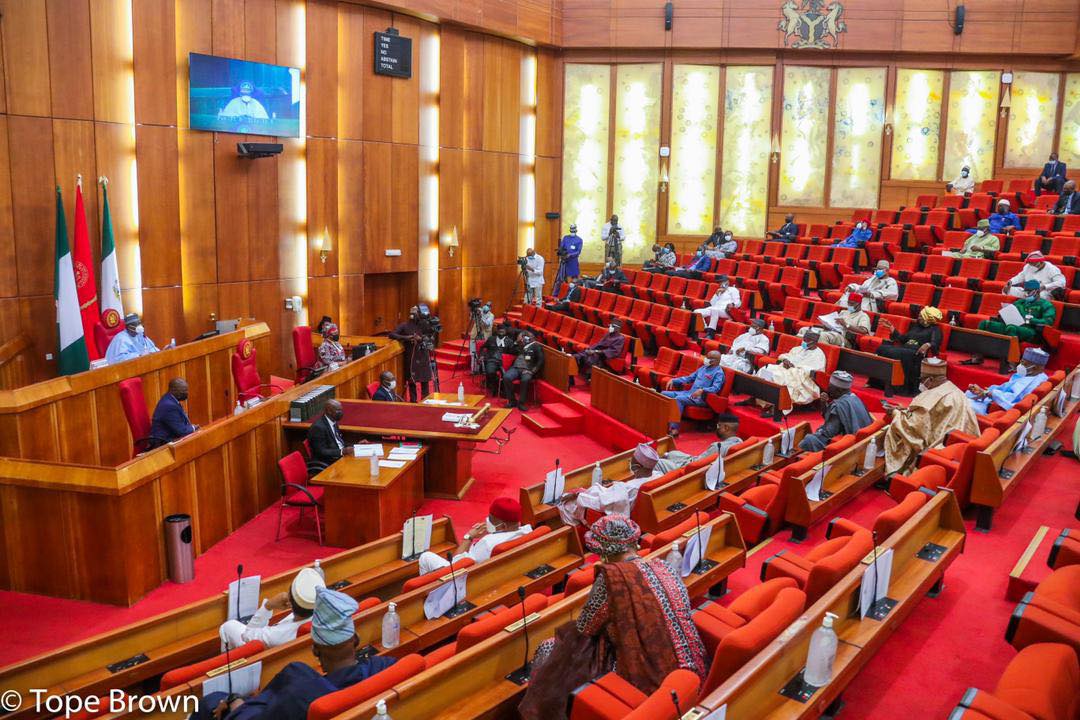
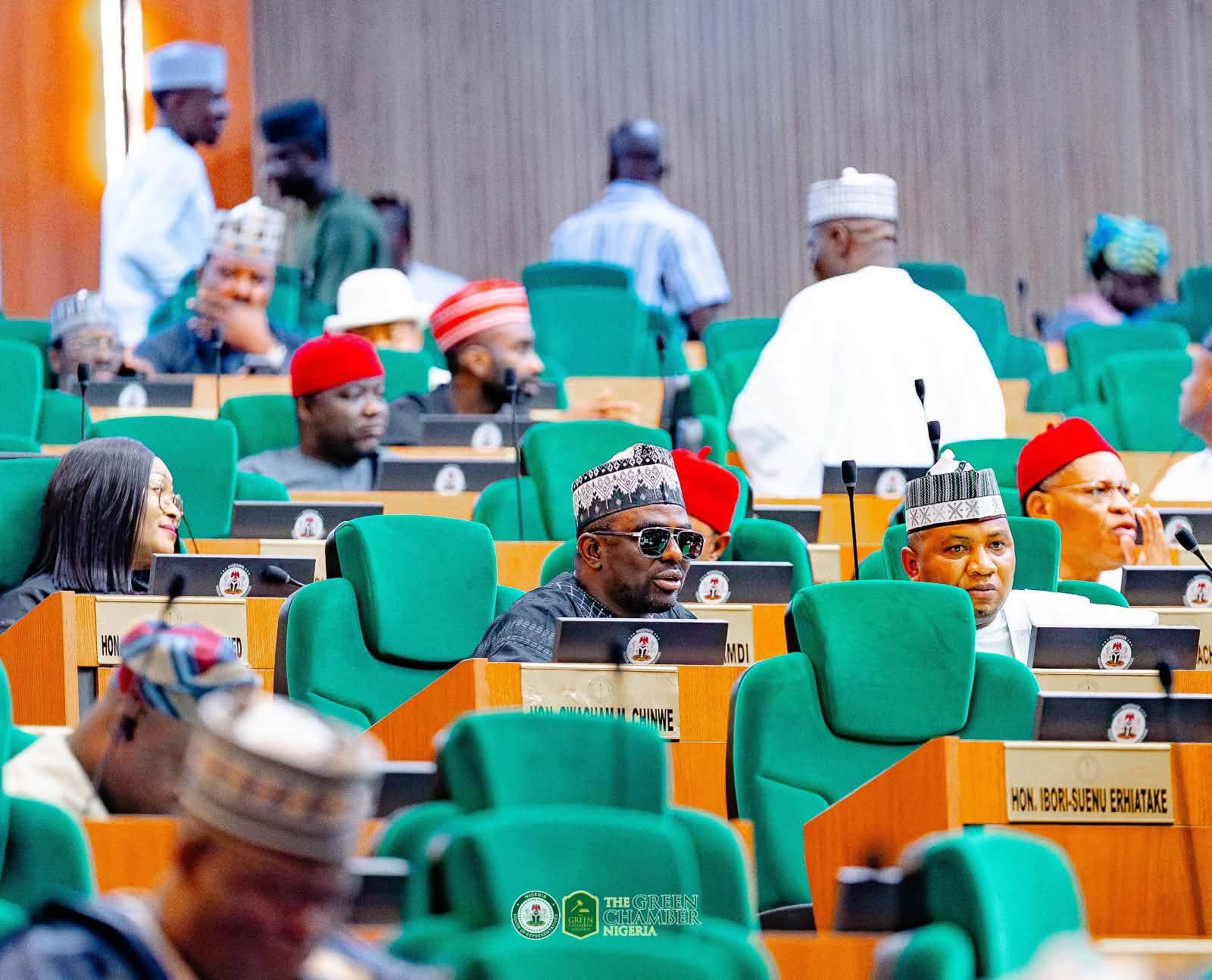
The Pan Niger Delta Forum (PANDEF) has urged the National Assembly and the federal government to raise the derivation allocation for oil-producing states from the current 13 percent to 50 percent.
PANDEF believes that this increase will help oil-producing states and communities deal with problems like environmental damage, health risks, and development issues linked to oil and gas activities.
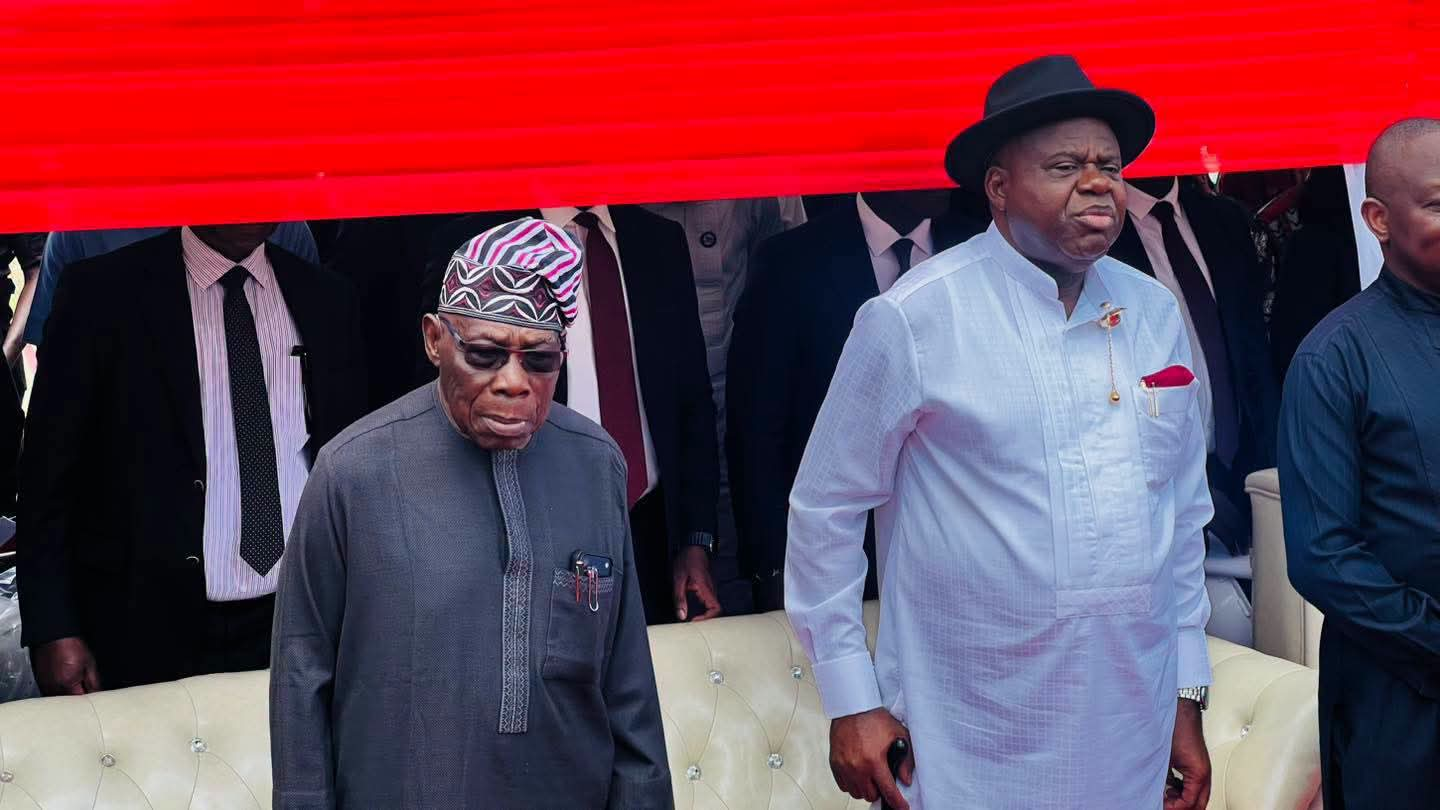
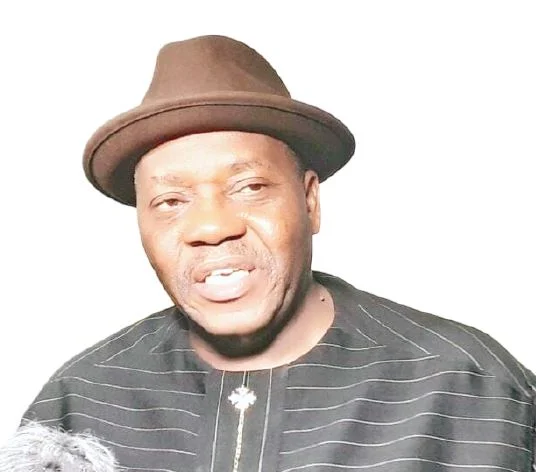
The group made this call in a statement read by Godknows Igali, the national chairman of its National Executive Committee, after a virtual meeting on Tuesday with the committee and the Board of Trustees.
The meeting had former governors, former ministers, traditional rulers, political leaders, opinion leaders, and other stakeholders from the six South-south states: Akwa Ibom, Bayelsa, Cross River, Delta, Edo, and Rivers.
Mr Igali pointed out that the current 13 percent derivation allocation, set by Section 162(2) of the 1999 Constitution, has not changed for over twenty years. He noted the environmental and development challenges that oil-producing communities in the Niger Delta face.
He explained that the region still suffers from environmental harm and the social and economic fallout of oil production. This makes it necessary to increase the allocation.
"PANDEF therefore calls for an increase in the derivation allocation from the current minimum of 13% to a minimum of 50%, to enable oil-producing communities and states to address the longstanding developmental deficits, environmental damage, health hazards, and social and economic consequences of oil and gas exploration and production," he said.
The group also asked the National Assembly, the federal government, and other relevant authorities to review the current revenue-sharing system. This will help oil-producing states to address ongoing developmental issues and the impact of oil and gas activities on their communities.
PANDEF further called for the removal of the onshore/offshore distinction in revenue allocation. They urged the National Assembly, the federal government, and the Revenue Mobilisation, Allocation and Fiscal Commission (RMAFC) to start necessary constitutional and legislative changes.
"The meeting further calls on the federal government, the Revenue Mobilisation, Allocation and Fiscal Commission (RMAFC), and the National Assembly to urgently address the longstanding and contentious issue of the onshore/offshore dichotomy in revenue allocation," Mr Igali stated.
The onshore/offshore dichotomy means the difference between oil revenues from onshore and offshore production when applying derivation rules.
PANDEF argued that offshore oil activities can also harm coastal communities that rely on fishing and marine resources. They noted that oil spills and other problems from offshore oil operations can hurt marine life and disrupt fishing, affecting the livelihoods of coastal people.
The group insisted that coastal communities should not be left out of the benefits of derivation just because oil resources are found offshore. They stressed the potential environmental and economic issues that such operations can cause.
They urged the National Assembly to collaborate with the federal government and RMAFC to solve this issue through proper constitutional and legislative reforms.
Nigeria has 11 oil-producing states: Abia, Akwa Ibom, Anambra, Bayelsa, Delta, Edo, Enugu, Imo, Kogi, Ondo, and Rivers.
The Petroleum Industry Act (PIA), signed into law in August 2021, set up a system for developing communities affected by oil activities. Under Section 240(2), oil and gas companies must contribute three percent of their actual annual operating costs from the previous year to the Host Communities Development Trust Fund for affected communities.
This fund is meant to support projects in host communities, including infrastructure, education, healthcare, economic support, and environmental protection. The three percent contribution is based on the operating expenses of the companies, not the 13 percent derivation allocation given to oil-producing states.
The 13 percent derivation allocation is guaranteed by Section 162(2) of the 1999 Constitution, which requires that at least 13 percent of revenue from natural resources going to the Federation Account be allocated based on derivation.
PANDEF is pushing for this minimum to be raised to 50 percent, claiming that oil-producing states need more funds to tackle environmental damage, health risks, and development issues that come with oil operations.

Comments
No comments yet.