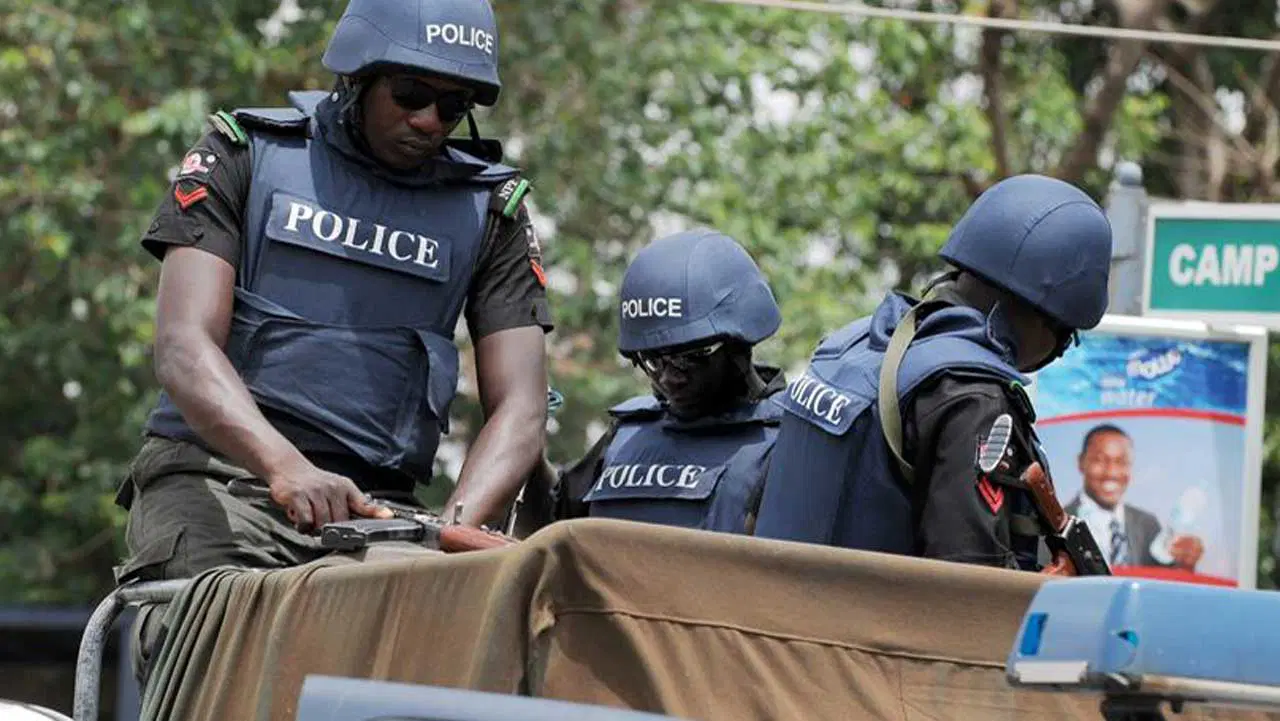
The Inspector General of Police, Olatunji Disu, has instructed police officers nationwide to send cases related to terrorism financing, banditry, and other financial crimes to special units. This move aims to improve intelligence-led policing and fight organized crime.
According to Daily Trust, Mr Disu made this announcement on Tuesday at the Force Headquarters in Abuja. He spoke during a meeting with leaders from the Nigerian Financial Intelligence Unit (NFIU).
The police chief explained that this decision comes from the changing nature of crime, which now often involves illegal financial transactions that cross national borders.
Mr Disu said that better cooperation between the Nigeria Police Force and the NFIU is key to addressing issues like terrorism, banditry, crude oil theft, and other serious crimes.
While announcing the directive, Mr Disu noted that the police have set up a Proceeds of Crime Section. This section aims to improve investigations into financial crimes and terrorism financing.
"We have directed all our officers to send cases they find related to terror, banditry, or money movement to teams that are trained to handle them.
The Force has established the Proceeds of Crime Section, led by a Deputy Commissioner of Police with lots of experience in financial crime. This will help strengthen our fight against money laundering and terrorism financing," he said.
Mr Disu mentioned that creating this specialized section has boosted the police's role in Nigeria's fight against money laundering.
"The establishment and operation of the section have improved the visibility and importance of the Force within Nigeria's anti-money laundering system," he added.
He also urged the NFIU to provide more training for police officers in financial intelligence, asset tracing, and other specialized areas. This training will help them investigate financial crimes better.
In her comments, the Chief Executive Officer of the NFIU, Hafsat Bakari, called the Nigeria Police Force a vital partner in the country's efforts against money laundering and terrorism financing.
She noted that financial intelligence is essential for investigating terrorism financing, kidnapping, cybercrime, corruption, human trafficking, drug trafficking, illegal mining, arms trafficking, and other forms of organized crime.
Terrorism financing continues to be a big worry for the Nigerian government. They are still dealing with issues like insurgency, banditry, and piracy, among other crimes.
Authorities believe that terrorism and other violent crimes persist because they are funded through both formal and informal financial systems.
PREMIUM TIMES has reported on cases of terrorism financing involving both local and international players. While extremist groups with global links get funds from abroad, local groups are increasingly relying on domestic sources of income. They exploit Nigeria's growing extractive sector through illegal mining and logging, as well as other illegal activities, to keep their operations going.
In recent years, Nigeria has improved its legal and institutional setup to fight terrorism financing, especially after the Terrorism (Prevention and Prohibition) Act, 2022 was passed.
This law set up the Nigeria Sanctions Committee (NSC) to implement United Nations Security Council rules on financial sanctions against terrorists and their funders. It also allows authorities to freeze the assets of people and organizations linked to terrorism without any prior notice.
Under this sanctions system, banks and other financial organizations must quickly identify and freeze funds and assets belonging to listed individuals or groups. They also need to report these actions to the NSC and file suspicious transaction reports with the NFIU. This framework aims to disrupt the financial networks that help terrorist groups recruit new members, buy weapons, and continue their activities.
So far, the committee has named and sanctioned 54 individuals and organizations as terrorism financiers. The sanctions list includes groups like Boko Haram, the Islamic State West Africa Province (ISWAP), Ansaru, and Lakurawa, as well as business entities.
Some individuals on the list are Simon Ekpa, who calls himself the leader of Biafra Government in Exile, and Tukur Mamu, a newspaper publisher and mediator in terrorism cases, among others.
Nigeria has also put in place rules requiring financial institutions and other reporting entities to follow targeted financial sanctions according to international anti-money laundering and counter-terrorism financing standards from the Financial Action Task Force (FATF).
Drop your comment
No comments yet — be the first to drop the gist 👇