Political Rivals in Osun and Rivers Prepare for Separate Campaigns
Political rivals in Osun and Rivers are gearing up for separate campaigns for President Tinubu. Disagreements arise over legislative cooperation.
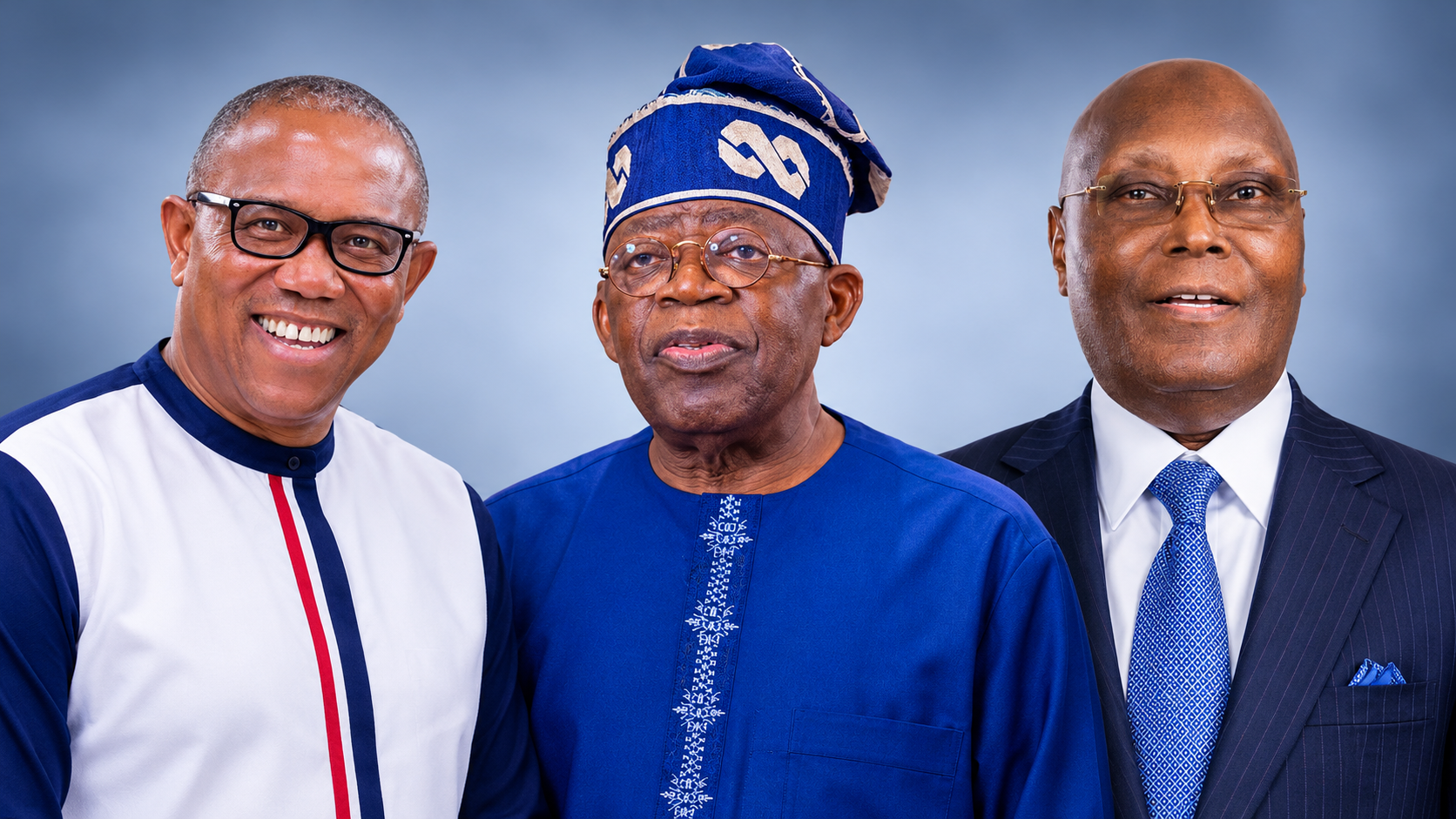
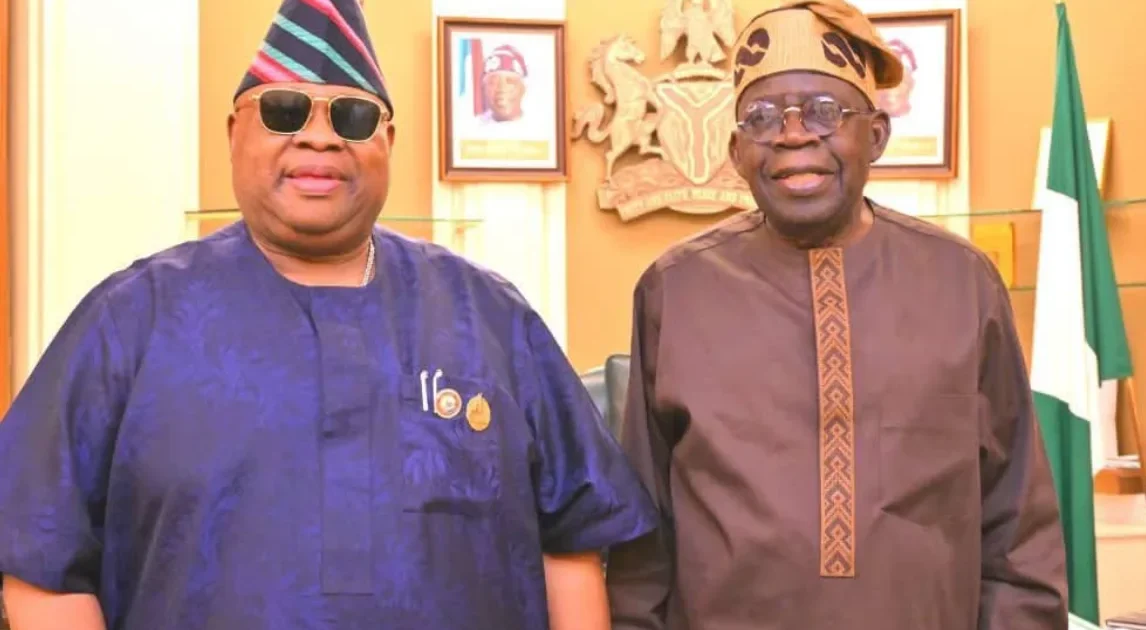
Political rivals in Osun launched 30 vehicles for President Bola Tinubu’s campaign on 31 October. Governor Ademola Adeleke told the gathering that the partners would campaign separately for their legislative candidates.
Days before, the Rainbow Coalition in Rivers introduced candidates from the All Progressives Congress (APC) and Peoples Democratic Party (PDP) and backed Mr Tinubu. The PDP’s governorship candidate supported the plan, even though his party has its own presidential candidate.
The week ending 1 November saw campaign resources and endorsements for the incumbent from outside his party. But there were disagreements on how this cooperation should happen.
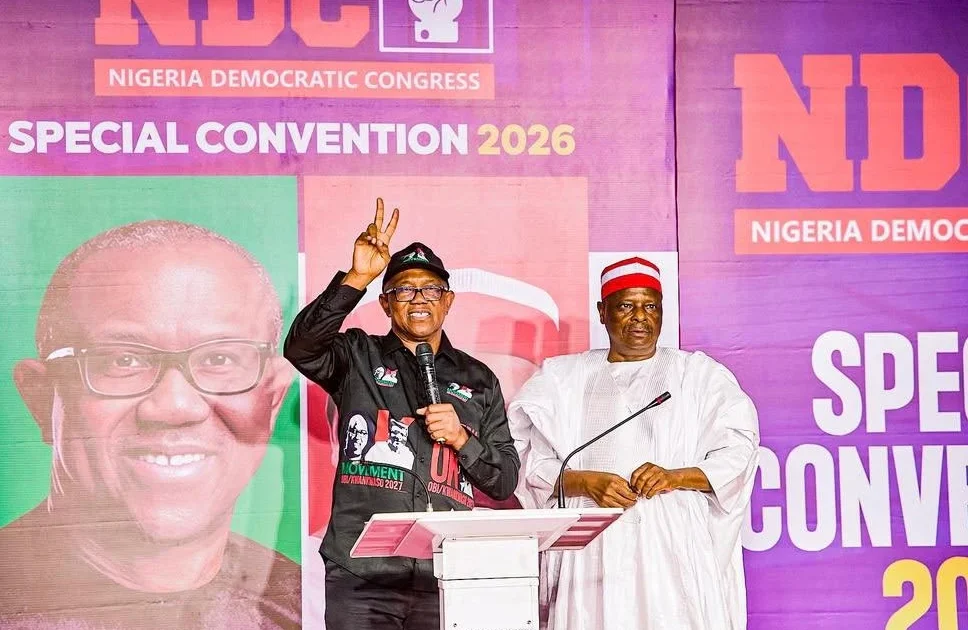
Atiku Abubakar of the African Democratic Congress (ADC) and Peter Obi of the Nigeria Democratic Congress (NDC) continued to build their own campaigns. Mr Obi’s running mate, Rabiu Kwankwaso, publicly urged Atiku on Sunday to join their ticket.
Tinubu’s Allies Compete for Legislative Seats
The Osun gathering included representatives of Mr Adeleke, an Accord governor, and Adegboyega Oyetola, the APC minister and former governor.
The vehicles were donated by Government Ekpemupolo, popularly known as Tompolo, according to reports from the event.
Deputy Governor Kola Adewusi, reading Mr Adeleke’s address, said the parties had no agreement regarding the legislative elections. Mr Oyetola’s address, given by Bola Oyebamiji, urged support for APC legislative candidates alongside the president.
This difference will confront voters on 16 January, when the presidential, Senate, and House of Representatives elections will take place.
A supporter following Mr Adeleke’s guidance would vote for the APC for president and Accord for the National Assembly.
In interviews reported by Sunday PUNCH on 1 November, Osun Assembly Speaker Adewale Egbedun, who leads the forum of Accord legislative candidates, acknowledged the struggle to get voters to back their presidential choice. He said engagement and persuasion could help.
An unnamed legislative candidate expressed concern that voters might choose the same party on all three ballots. Some APC candidates worried that Mr Adeleke’s involvement would boost Accord. APC lawmaker Wole Oke dismissed that worry, using his experience of winning elections from opposition platforms to support his view.
Reports identify Tompolo as the donor of the 30 vehicles but do not specify their monetary value, who will keep them, or how the contribution will be reported under electoral spending rules.
Rivers presents a different arrangement.
At the 27 October event led by Federal Capital Territory Minister Nyesom Wike, the coalition chose APC candidate Kingsley Chinda for governor and selected APC and PDP candidates for legislative seats.
Governor Siminalayi Fubara and the PDP’s governorship candidate, Ejekwu Samuel Soni, also supported the arrangement.
According to a candidate list published by TheCable, the APC made up two of the three senatorial candidates, 10 of the 13 House of Representatives candidates, and 21 of the 32 state assembly candidates. The remaining spots went to PDP candidates.
But INEC’s updated presidential list still names Sandy Onor for the PDP.
This means the party label on the ballot cannot tell voters which presidential candidate a local PDP politician is backing.
History warns against assuming that endorsements will determine election results. In 2023, Mr Obi won Anambra for the Labour Party while the state was governed by the All Progressives Grand Alliance (APGA).
The 2023 results also explain why Osun and Rivers are key in the current campaign strategies.
Atiku defeated Mr Tinubu in Osun by 10,421 votes. In Rivers, Mr Tinubu came first, followed by Mr Obi.
The current alliances are different from those of 2023. Atiku is now campaigning with Rotimi Amaechi, a former Rivers governor, while Mr Wike is working for Mr Tinubu.
These past results give a historical perspective but do not measure current support. The new alliances involve different parties, candidates, and campaigns.
Kwankwaso Calls for Common Opposition Ticket
The four top presidential candidates from 2023 are now divided across three tickets for 2027.
On Sunday in Kano, Mr Kwankwaso urged Atiku to back Mr Obi, saying the South should finish its turn in the informal rotation of the presidency.
He suggested his acceptance of the vice-presidential nomination as a sacrifice consistent with that view.
His call highlighted the disagreement among supporters of a common opposition ticket: which presidential candidate would step aside.
Atiku remains the ADC nominee. The Obi, Kwankwaso ticket combines two former presidential bids, but the political groups behind them still need to coordinate their actions.
The disagreement follows earlier talks over the G100-facilitated alliance, where the ADC said it had not authorized negotiations that required Atiku to withdraw.
The NDC entered the week with a 155-member campaign council led by Seriake Dickson, with Mr Obi as co-chairman and Ibrahim Abdulkarim as director-general.
On 26 October, the independent OK Movement challenged the council’s grassroots reach. The party had previously rejected a separate council formed by the support group.
This dispute is about who controls the existing campaign organization. The national council’s membership figure does not show how many local campaigners or polling-unit agents it can manage.
INEC’s electronic polling-agent portal gives parties until 10 December to submit their nominations for the presidential election. Access codes are issued through national party chairpersons, needing coordination between party headquarters and those responsible for uploading agents’ details.
Disputes in ADC’s Campaign Structure
For Atiku, the main organizational issue is the involvement of established South-west ADC officials in his campaign.
A Sunday PUNCH investigation found that some South-west ADC officials complained that Atiku was relying on personal associates instead of established party structures to organize campaign activities in the region. Some said decisions were being made without enough consultation with state party leaders.
In his Sunday response to PREMIUM TIMES, campaign spokesperson Phrank Shaibu said none of the six South-west state campaign councils had been formally inaugurated. He confirmed that nominations had been requested but could not provide a verified record of submissions from the six states. No date had been set for the appointments.
On Monday, South-west Vice Chairman Akin Omole and the six state chairpersons reaffirmed their support for Atiku. They said a 4 September meeting was about election strategy and denied holding the virtual reconciliation meeting mentioned in the report.
In a Monday telephone interview with PREMIUM TIMES, National Publicity Secretary Bolaji Abdullahi also rejected claims of a crisis in the South-west.
When asked about his absence and that of National Secretary Rauf Aregbesola from the campaign council, he said national officers had ongoing party responsibilities and could support the candidate without council appointments.
Mr Abdullahi’s explanation clarifies why national party officers do not need to serve on the presidential campaign council. Mr Shaibu’s response shows that the six South-west state campaign councils have not been inaugurated. But neither response solves the separate complaints about how established party officials are involved in campaign activities before those appointments.
Separately, a faction of the ADC led by Nafiu Gombe announced a North-west campaign council after a meeting in Sokoto. They named Nuradeen Chindo as chairman and Bello Shehu as secretary.
This faction’s announcement did not change Atiku’s presidential nomination. His campaign is organized by the ADC leadership led by David Mark. The faction’s authority to act on behalf of the party is still disputed.
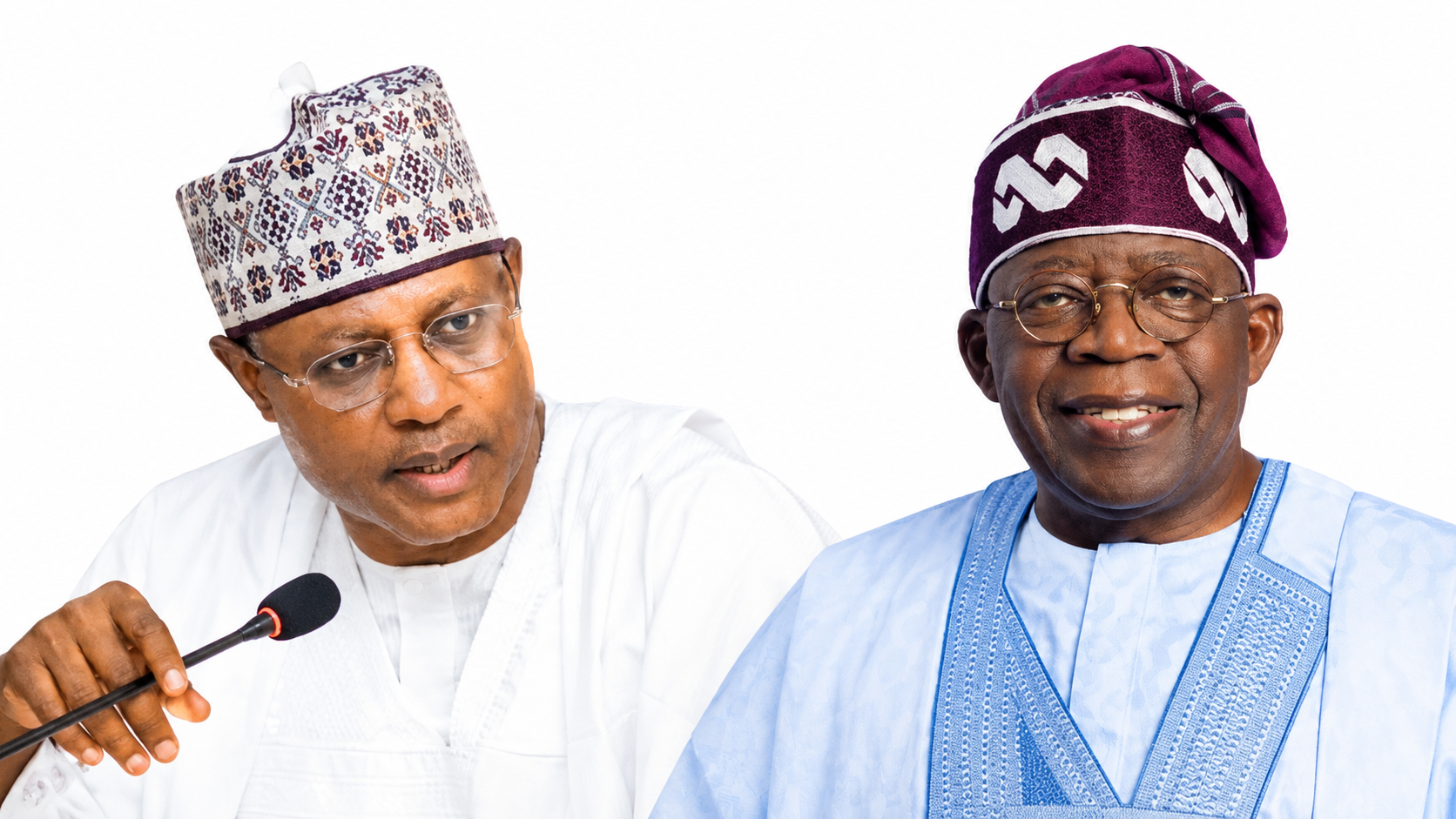
The competing claims affect campaign coordination, especially when deploying local organizers and polling agents.
Campaign Promises on Power Supply
Electricity became a direct topic of discussion on Sunday.
The APC defended Mr Tinubu’s record, mentioning metering and sector reforms. Atiku proposed changing the tariff-band system to prices more closely linked to the actual electricity supplied.
Mr Obi’s 29 October promise in Enugu focused on generating, transmitting, and distributing at least 10,000 megawatts.
For perspective, the Nigerian Electricity Regulatory Commission’s September factsheet reported average hourly generation from grid-connected plants at about 4,089MW.
This measures actual generation, not installed capacity.
Mr Obi has not given a detailed plan on how the extra electricity would be generated and delivered through the current transmission and distribution networks. Atiku has not yet provided a tariff formula or explained how electricity providers would recover their costs. For Mr Tinubu, regulatory figures on metering, service hours, and electricity supplied provide a basis for checking the APC’s claims.
Mr Tinubu’s 30 October defense of borrowing linked loans to roads, ports, and power investments aimed at increasing production.
Identifying completed projects, disbursements, and debt obligations would give a clearer basis to examine that argument.
Atiku’s fuel policy also differs from his 2023 proposal.
In a written reply to PREMIUM TIMES received on 31 October, Mr Shaibu said the earlier plan proposed gradual subsidy removal.
The updated proposal focuses on fuel refined in Nigeria, with support aimed at boosting domestic production and making it more affordable.
"The 2023 proposals should not be treated as the final or current version of his program," he said.
Mr Shaibu mentioned that the broader presidential framework was under final review and expected to share it before the next weekend.
Mr Abdullahi also provided the ADC’s 2027, 2031 party manifesto to PREMIUM TIMES on 1 November. Mr Shaibu’s promise concerned the candidate’s revised presidential framework.
PREMIUM TIMES has previously looked into the proposed production subsidy, including its financing and pricing implications.
Oyo Governor Seyi Makinde, the Allied Peoples Movement candidate, announced in Enugu on 29 October that his manifesto would be unveiled on 4 November. He said consultations across the six zones would inform its proposals.
A separate issue involves the federal government’s ₦50,000 relief program.
One official announcement described monthly support, while the program’s published frequently asked questions mentioned a one-time grant.
These two commitments suggest different spending, and beneficiaries have not received a clear explanation of what they should expect.
The contradiction was also highlighted in PREMIUM TIMES’ Saturday politics roundup.
Contested Campaign Access and Register
The ADC’s planned campaign launch in Sokoto faced allegations of political intimidation and restrictions.
The party claimed that people linked to the state government attacked the convoy of its governorship candidate, Manir Dan’iya, near the airport on 30 October. The APC denied any political intimidation, while police said they were investigating.
The ADC also accused the state government of pressuring hotels to cancel accommodation for campaign delegates. The government denied giving such orders, while the APC said accommodation issues were linked to a traditional title ceremony.
On 2 November, the Sokoto State Government sealed an ADC campaign office, claiming an ownership dispute and security concerns.
Lands Commissioner Nasiru Dantsoho stated that official records showed Savannah Bank as the owner and that the government had contacted the Nigeria Deposit Insurance Corporation for clarity. He said the building would remain sealed until a response was received.
The ownership claim and the legal basis for the closure have not been independently verified with the relevant property documents. The ADC’s response to the sealing had not been confirmed at this time.
In Ekiti, police made 11 arrests after an incident involving African Action Congress presidential candidate Omoyele Sowore.
The AAC claimed that its candidate was attacked and suggested government involvement.
INEC also faced pressure to account for irregular voter registration.
Atiku called for an independent audit and preservation of digital evidence, while the NDC questioned reports of deceased persons still on the register.
In an interview broadcast on Sunday, INEC ICT Director Lawrence Bayode said the commission had found irregular registrations and was gathering evidence against implicated officials.
According to PREMIUM TIMES’ account of the interview, he said 1,277,252 invalid registrations had been removed before the preliminary register was published. Other flagged records are still being examined.
This figure shows invalid registrations, not a verified count of AI-generated voter identities.
INEC is set to publish the final register on 15 December.
The commission has not yet publicly explained in detail how the irregular entries were made or what actions were taken against those responsible, or how to prevent eligible voters from being wrongly removed.
Looking Ahead
The Sokoto ADC chapter announced 4 November for Atiku’s campaign launch. Former Governor Aminu Tambuwal said on Saturday that the event would go ahead.
When interviewed by PREMIUM TIMES on Monday, Mr Abdullahi could not confirm the date or venue, citing security concerns.
Mr Makinde has set his manifesto presentation for 4 November.
In Rivers, Mr Wike has scheduled a Tinubu presidential rally for 7 November at the Adokiye Amiesimaka Stadium, in the home state of Atiku’s running mate.
The ADC’s Sokoto launch remains uncertain regarding its plans. Atiku’s revised policy framework is also expected before the next weekend.
Comments
No comments yet.