Reps Push for Action Against Fake Food and Drinks
The House of Representatives has called for stronger measures against the production and sale of fake food and drinks in Nigeria to protect public health.
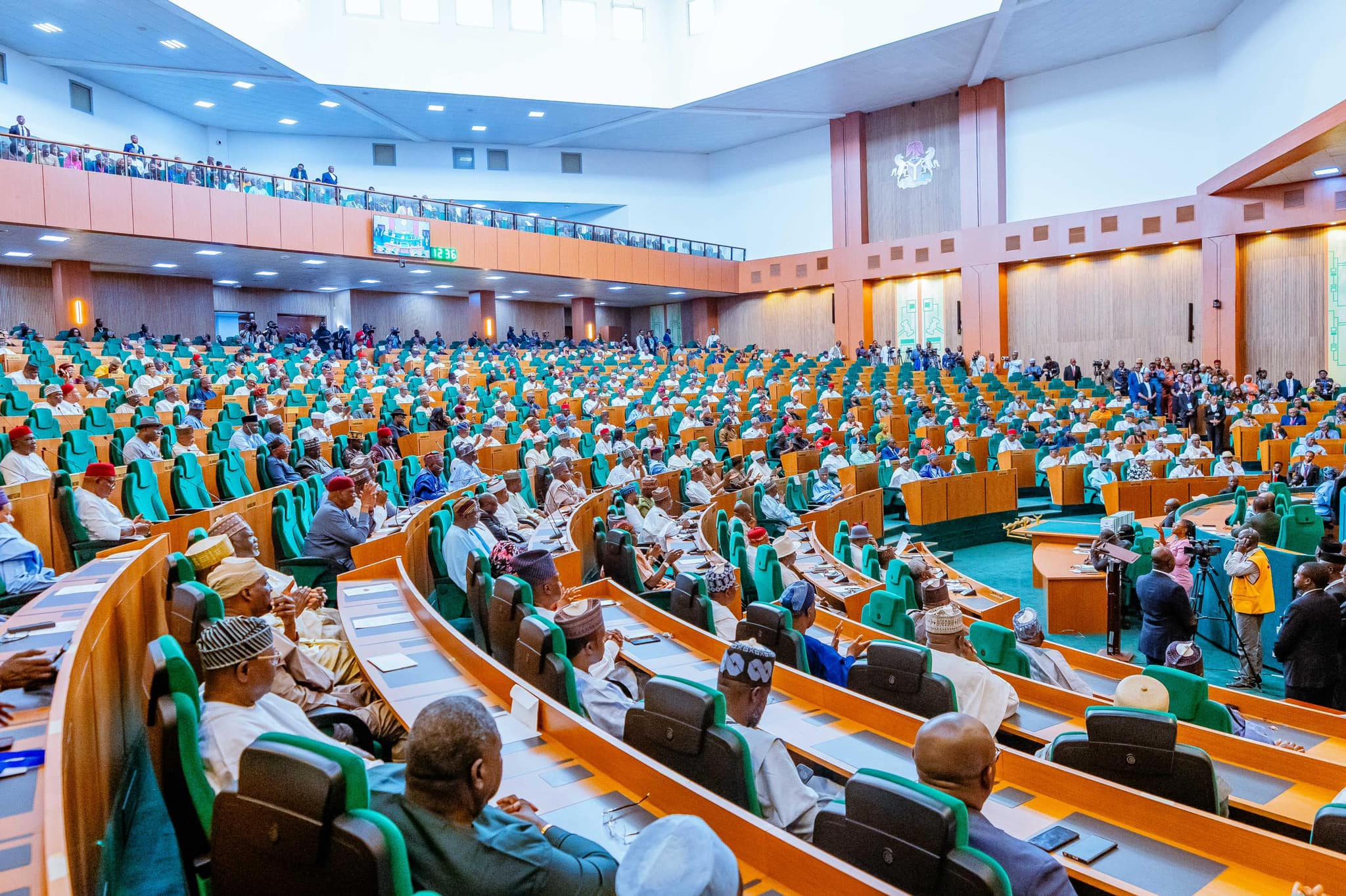
The House of Representatives has asked the federal government to do more to stop the production, distribution, and sale of fake, adulterated, counterfeit, and substandard food and drinks in Nigeria.
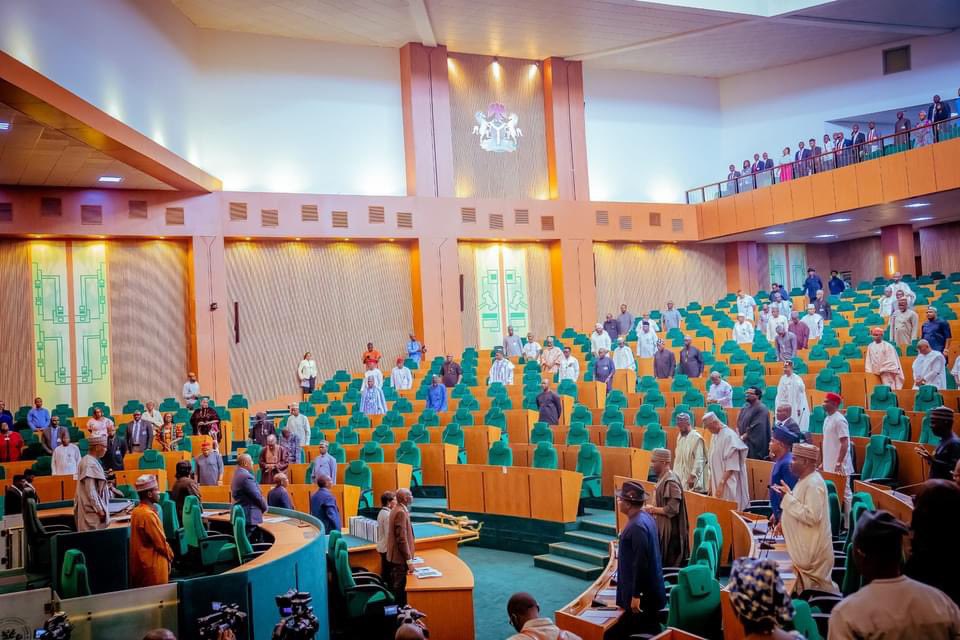
The House made this request on Tuesday after adopting an urgent motion from Makki Yalleman (APC, Jigawa) during a plenary session.
While presenting the motion, Mr Yalleman said it is important for Nigerians to have access to safe and quality food and drinks. He noted that this is vital for public health and consumer protection.
He explained that proper processing and hygiene practices are necessary to avoid foodborne illnesses caused by harmful bacteria, chemical residues, expired ingredients, and physical impurities.
He added that following food safety standards would help Nigerian food businesses reach regional and international markets, reduce the rejection of Nigerian exports, and support economic growth.
Mr Yalleman pointed to recent enforcement actions as proof of the growing problem. He mentioned the dismantling of an illegal alcohol counterfeiting group at Zamfara Plaza on Lagos Island by the National Agency for Food and Drug Administration and Control (NAFDAC) on 22 April 2026.
He also highlighted a raid on an illegal and unregistered fruit juice factory in Badagry, Lagos State, by officers of the Nigeria Security and Civil Defence Corps (NSCDC) on 22 September 2026.
According to him, these incidents show the increasing production, distribution, and sale of fake, adulterated, unregistered, and substandard food products, drinks, and bottled water consumed by Nigerians.
He warned that these activities present serious risks to public health and could lead to acute poisoning and other health issues like cancer and damage to vital organs such as the kidneys, lungs, liver, and heart.
“Some dishonest manufacturers and distributors are involved in practices such as counterfeiting brands, changing labels and expiry dates, using poor or contaminated raw materials, reusing or refilling containers illegally, and producing food and drinks outside approved standards. These pose life-threatening health risks, including acute poisoning, cancer, and damage to essential organs like the kidneys, lungs, liver, and heart,” he said.
Mr Yalleman noted that NAFDAC is responsible for regulating food and bottled water. The Federal Competition and Consumer Protection Commission (FCCPC) also has duties related to consumer protection and product safety.
He recognized the roles of the Standards Organisation of Nigeria (SON), NAFDAC, and FCCPC in ensuring that products in Nigeria meet safety and quality standards.
But he expressed concern over the ongoing circulation of products with misleading or false information, especially on labels.

He pointed out that falsifying production dates, expiry dates, batch numbers, manufacturer details, and ingredient information is a problem that needs stronger regulatory attention.
He stated that while current laws and regulations exist to handle unsafe products, there is a need for better implementation, improved coordination among regulatory bodies, increased market monitoring, and greater public awareness to effectively tackle the issue.
“With NAFDAC, SON, FCCPC, the Police, and NSCDC, the growing spread of fake and substandard food and drinks is very worrying and needs more legislative and executive action,” he said.
He mentioned that children, the elderly, and other vulnerable groups are especially at risk from the health hazards linked to fake and substandard food and drinks.
He called for more effective and coordinated monitoring, inspection, enforcement, and prosecution in the food and beverage supply chain.
After Mr Yalleman's presentation, the House resolved that the federal government must treat the issue of fake, adulterated, counterfeit, and substandard food and drinks as a national priority requiring ongoing regulatory focus.
It urged NAFDAC, SON, and FCCPC to work with the Nigeria Police Force, Nigeria Customs Service, state governments, and other relevant agencies to increase nationwide surveillance, inspections, sampling, laboratory testing, and enforcement against those involved in the production or sale of fake and substandard food and drinks.
The House also instructed its relevant committees, especially those on Health, Industry, Customs, Standards, and Consumer Protection, to engage NAFDAC, SON, FCCPC, and other stakeholders to evaluate the scale of the problem and the effectiveness of current enforcement measures.
The committees must report their findings to the House within four weeks for further legislative action.
They are also tasked with regularly reviewing the progress of relevant agencies in fighting fake and substandard food and beverages and reporting back to the House.
The motion was adopted without debate.
Speaker of the House, Abbas Tajudeen, who oversaw the plenary session, referred the motion to the Committees on Health Services, Industry, and Safety, Standards, and Consumer Protection for further legislative action.



Comments
No comments yet.