Rufai Oseni and the Challenge of Staying Neutral
Rufai Oseni's interviewing style sparks debate on media neutrality. While some see bias, others appreciate his approach to tough questioning.
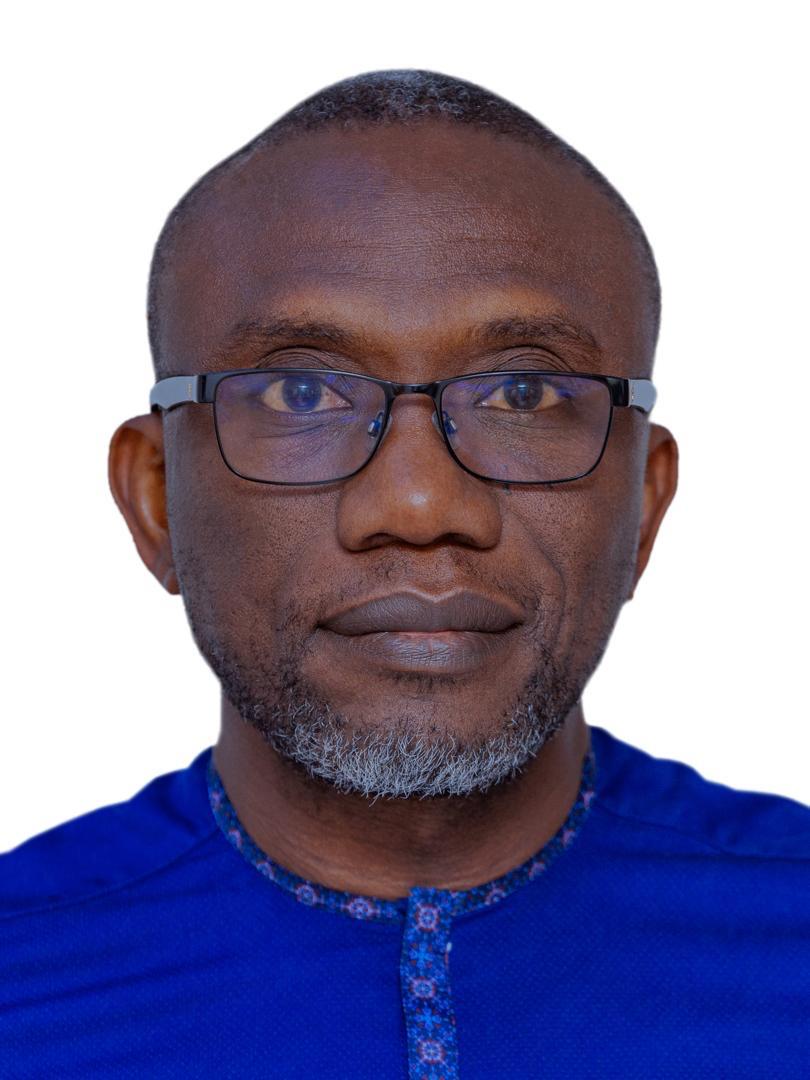
It is important for Nigerian television to have interviewers who are knowledgeable and brave, but a journalist must not take over the argument for the guest or push personal opinions on viewers. When a journalist crosses that line, it can look like they are taking sides, even if they are not actually biased.After I shared my thoughts on last week’s event on Arise Television’s “Morning Show,” a friend who is a well-known public relations leader in Nigeria messaged me. “What do you really think about Rufai Oseni?” I replied, “I believe he is smart, patriotic, and mostly objective. But he can get too emotional and sometimes goes beyond what a journalist should do.” My friend, who claims to have known Mr. Oseni for years, replied, “Really? He shows none of the traits of a professional journalist!” They also suggested that the television host needs more training. I didn't respond for two reasons. First, I agree that Mr. Oseni and any professional should keep learning and improving. Didn't someone once say that a man's education isn’t complete until he dies? Second, I decided to write my thoughts about this in an article. I will be honest. While many Nigerians think Rufai Oseni is biased, I don’t see it that way. I realize that many people, especially those who face his tough questioning, view the Arise “Morning Show” anchor as partisan, arrogant, and unprofessional. But I don’t think so, and I say this as someone who enjoys the show. Over time, I have noticed that Oseni, along with his colleagues, Dr. Ruben Abati, Mrs. Ayo Mairo-Ese, and sometimes Mrs. Vimbai Mutinhiri-Ekpenyong, hold their guests accountable for good governance and responsibility.
Oseni’s Skills
To add to my thoughts on Oseni, he is one of the most talented journalists on Nigerian television today. He reads widely, knows facts and figures well, and shows a level of preparation that should be expected from anyone presenting a morning show on national television. Oseni remembers what public officials have said in the past. He can pull out figures, highlight contradictions, and push on when guests try to avoid answering questions. His passion for Nigeria shines through in almost every discussion. I can’t imagine any country expecting less from a journalist. So why does Oseni seem biased or unprofessional to many viewers? First, we need to understand the format of the Arise “Morning Show.” The three main anchors have at least two different roles. They are journalists but also analysts. In the first 30 minutes, they don’t just tell us what happened; they explain what it means. They analyze policies, positions, and issues. They can share their personal views without hesitation during this time. This also applies to segments like “The Brief” with Rotus Odiri, “World Brief and Newspapers Review” by Akinfemi Adesanya, “Sports” with Aron Akerejola or Ebi Iyomon, and “What’s Trending” by Ojy Okpe. This difference between news reporting and other types of broadcast journalism is standard. The UK’s broadcast regulator, Ofcom, in Rule 5.9, states that presenters outside news programs, including personal view shows and discussion program chairs, can share their views on political controversies or public policy. This freedom requires proper representation of different viewpoints. Presenters must not use their regular spots to push their opinions in a way that compromises fairness.The Role of an Interviewer
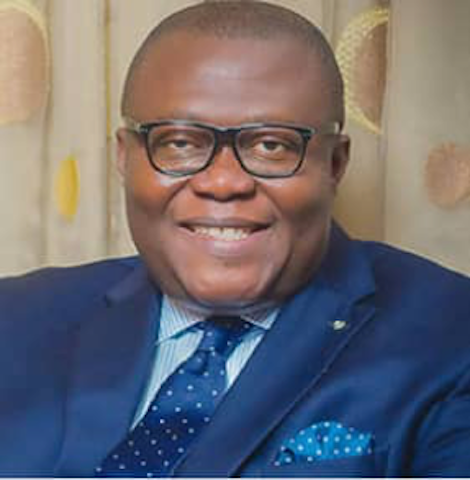
Read alsoRufai Oseni and Lere Olayinka Clash on Arise News
Read alsoTinubu's $1 trillion GDP goal and Rufai Oseni's emotional moment
So, there is nothing wrong with an anchor expressing their feelings in these segments. Analysts who are afraid to share their conclusions aren’t worthy of the title. If two ideas contradict each other or a policy is unclear, an analyst should say it. If someone's behavior raises questions about trust, consistency, or competence, a journalist, acting as an analyst, should make that judgment based on verified facts. It doesn’t matter whose side it affects.
The issue arises when an analyst doesn’t fully shift to the role of a journalist during interviews. That is where the problem lies.
The interviewer has a different job than the analyst. They should not come to the interview with the aim of proving their own opinion. They have invited the guest or expert to answer questions and give information to viewers. Their role is to ask questions, examine the answers given, present contradictory evidence when needed, and help the audience draw their own conclusions from the guest's information or clarifications. But this does not mean that the journalist should hold back.
Anyone, especially public officials, who goes on television should expect tough questions and follow-ups. If they dodge questions, they should know the interviewer will press on. When they contradict themselves, the interviewer should point that out. When facts differ from their claims, the interviewer must call them out. That is the ideal approach to journalism.
Many critics of Oseni miss this point. Tough questioning is not always bias, just like interrupting is not always rude. Sometimes, an interviewer must interrupt a guest who is dodging a question, taking too long, or being too promotional.
On the whole, adversarial journalism is not the same as argumentative journalism. The line between questioning a guest’s argument and arguing with them is very thin, and interviewers should stay clear of it.

Comments
No comments yet.