Uber Leaves Nigeria: Cab Drivers Face Tough Times Ahead
Isiaka Agbaje, a cab driver in Lagos, struggles to support his family after Uber's exit from Nigeria. Many drivers share similar challenges as costs rise.
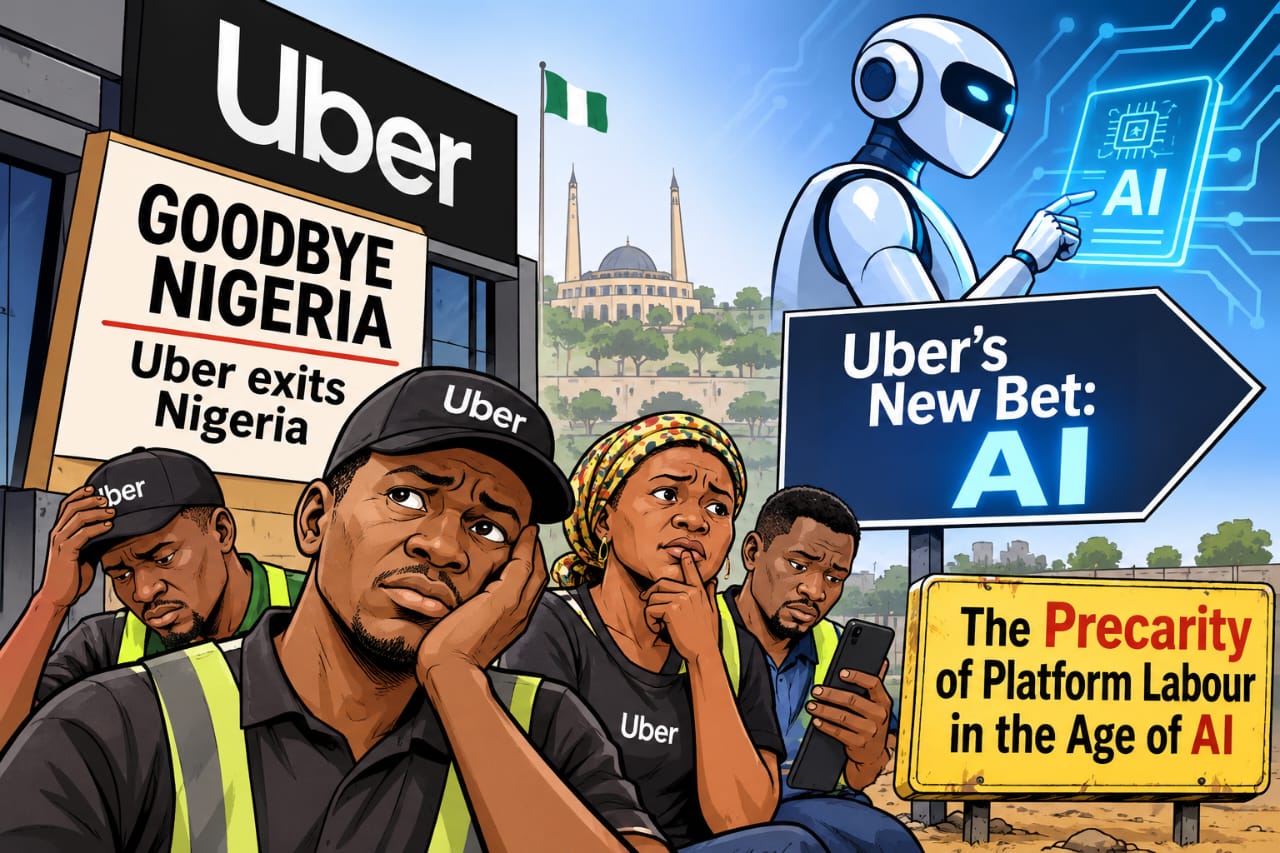
Isiaka Agbaje walked through the parking lot of Murtala Muhammed International Airport in Lagos. The afternoon sun beat down hard. It was the third week of October, and schools were just reopening. A frustrated cab driver, Mr Agbaje, shared that he has struggled to take care of his family for years, even though he works nearly 14 hours every day.
"My children are already complaining about their school fees that I haven’t paid. I can hardly earn enough to feed my family," said Mr Agbaje, 42, looking resigned. He told PREMIUM TIMES that the ride-hailing business can no longer cover his bills due to rising costs and economic pressures at home.
"It was bad before, but it’s even worse now that Uber has left the country," he said.
Mr Agbaje’s situation is not unique. PREMIUM TIMES found that many cab drivers in Lagos, Abuja, and other areas share similar struggles. Interviews with nearly a dozen drivers show how hard platform work can be in Nigeria and other parts of Africa, especially as artificial intelligence becomes more common.
On September 2, Uber announced it was stopping its operations in Nigeria after 12 years in one of Africa’s largest markets. The company also said it would end operations in Uganda, stating that this decision came after a review of its business focus and investments in Africa.
Though Uber didn’t directly link its exit to investment in AI, the situation shows how artificial intelligence affects the platform economy. It highlights how workers are at risk as technology and business priorities change.
The next day, September 3, Uber and British AI firm Wayve launched supervised self-driving ride-hailing services in London. This service matches passengers with electric cars using Wayve’s AI Driver technology. Initially, safety drivers were present in the vehicles. This move followed Uber’s global restructuring that included cutting about 3,300 jobs to save money and invest in self-driving cars and robotaxi partnerships.
Uber’s exit from Nigeria and its growing focus on artificial intelligence has raised concerns about job security for those who rely on ride-hailing for their income. Many drivers depend on these platforms to make a living and survive.
Operating Challenges
Before leaving Nigeria and Uganda, former Uber drivers talked to this newspaper about the rising fuel prices, high commissions, and fare disputes that affected their earnings. These challenges made it hard for them to cover their costs, with constant pressure to meet personal financial commitments. Their stories reflect the vulnerability of platform workers who rely on decisions made by tech companies for their income.
Samuel Adeoti, a cab driver, said one of the biggest issues was that fares didn’t keep up with rising fuel prices and operating costs. He said Uber’s commission, around 35 percent, left drivers with little money after paying for fuel, vehicle maintenance, and other expenses.
"The fares we worked with when fuel was cheap are still the same when prices go up. This does not help drivers," Mr Adeoti said.
He explained the pressure drivers face. For a ₦10,000 trip, he said Uber took ₦3,500 in commission, leaving the driver with ₦6,500. After spending ₦5,000 on fuel, the driver would have just ₦1,500 left for other costs.
"From the ₦1,500, you have to think about car maintenance and deal with task forces, police, road safety, and more," he said. Mr Adeoti said these expenses make it hard for drivers to keep their cars and support their families.
Left in the Lurch
In 2023, after taking office, Nigeria’s President Bola Tinubu made major changes to the foreign exchange market and the oil sector to fix economic issues. The government ended what it called a wasteful subsidy system and combined the foreign exchange market, leading to higher living costs.
This significantly affected cab drivers on Uber and other ride-hailing services, cutting deeply into their earnings. Lanre Mustapha, a former Uber driver, said the company didn’t properly address drivers’ complaints about fares and commissions while domestic prices soared.
"They didn’t listen to what we were saying about prices and the economic situation in Nigeria," he said. Mr Mustapha noted that drivers protested low fares about six months before Uber exited, but their concerns went unaddressed.

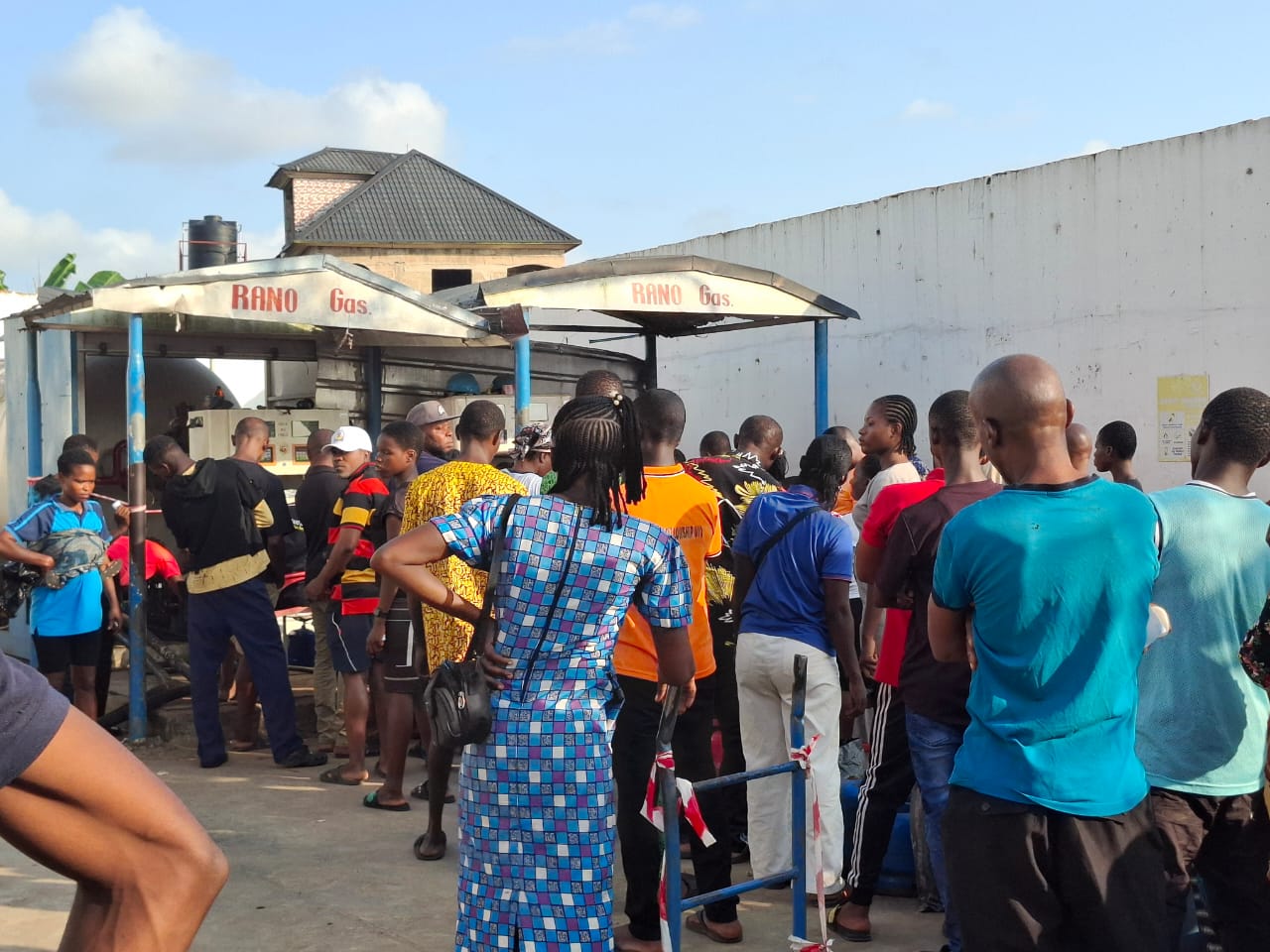
John Promise, 39, another driver on the platform, told PREMIUM TIMES that drivers stayed on the platform because they had no better options and didn’t want to lose access to customers. For those already struggling, Uber’s exit meant losing a way to reach their customers.
New Platforms, Fresh Uncertainties
As complaints grew before Uber left Nigeria, some drivers began moving to other ride-hailing services in search of better pay. Yet, this switch didn’t always solve their problems. Mr Mustapha, who moved to InDrive, described fears of account suspensions as a major challenge on the new platform.
"I am with InDrive, but they too have started these annoying issues. You can wake up to find you’ve been permanently blocked. They don’t even say why," he said. His experience shows that access to work can depend on having an active account, while suspensions can cut off earnings.
Innocent Ogwuche, another ex-Uber driver, said he initially liked the service for its app and safety features. But when fuel prices rose, the automated fares didn’t keep up with his vehicle’s operating costs.
"Uber is not the one fuelling your car or doing your maintenance," he said, complaining about how trips delayed by traffic were not compensated properly. He also faced technical issues with his driver account, which led him to leave the platform.
AI and the Future of Work
Uber’s departure from key African markets and its focus on AI raises concerns about platform workers. This change shows how AI is taking over tasks once done by humans, affecting the survival of workers in the platform economy.
Earlier this year, the World Bank released a report titled World Development Report 2026: The Promise of Artificial Intelligence. It looks at how AI impacts 5.6 billion people in poorer countries and suggests ways to use AI for development despite limited resources. The report states that AI can help grow economies, especially when global progress has slowed down.
It can also help fill gaps in areas like health, farming advice, and basic support for governments. The report advises policymakers to adopt existing AI tools, adapt them to local needs, and develop the technology.
However, the report warns that traditional jobs may face disruption, hiring freezes, and widening productivity gaps. While mass automation is less immediate in developing countries, where only 4.5 percent of jobs are highly vulnerable compared to 14.2 percent in rich nations, the report highlights serious threats to traditional jobs. It notes that economic benefits from AI often favor business and capital owners more than workers.
On October 22, Uber announced it would expand its AI services, making ChatGPT Work available to over 30,000 employees worldwide after a pilot with 1,000 workers. Through initiatives like Uber AI Solutions and Digital Tasks, Uber also allows drivers to earn money by tagging data, recording voice prompts, and evaluating AI responses during downtime.
Digital labour expert Antonio Casilli describes this shift as a "Great Digital Labour Convergence." He says that blending physical gig work with micro-task data labeling makes underpaid, algorithm-managed work common across more industries, threatening job protections.
He argues that platforms act as testing grounds for ideas that may spread across all labor markets, reshaping work norms. He believes that even stable jobs are starting to adopt gig-like features, like flexible schedules and task-based pay, blurring the lines between formal jobs and platform work.
In their book, ‘Notes Towards a Digital Worker’s Enquiry,’ Julie Chen and other scholars study how previously viewed unorganizable digital workers are forming resistance and finding ways to challenge platform capitalism.
Abubakar Aliyu, a cab driver in Abuja, agrees that platform workers need to come together for better protection as the work environment becomes tougher. He mentioned a union, the Amalgamated Union of App-Based Transport Workers of Nigeria (AUTTWON), that represents drivers from ride-hailing services like Bolt and InDrive. They use strikes, fare boycotts, and legal actions to resist algorithmic control.
He added that since platforms treat workers as independent contractors instead of employees, they use legal loopholes to avoid bargaining for better conditions. "We are getting there, but it’s slow, and there are many challenges," he said, looking worried.
Comments
No comments yet.