UNIJOS Dean Responds to Concerns About Hostel for Students with Disabilities
The Dean of Student Affairs at UNIJOS acknowledges maintenance issues in the Village Hostel for students with disabilities, promising to work on improvements.
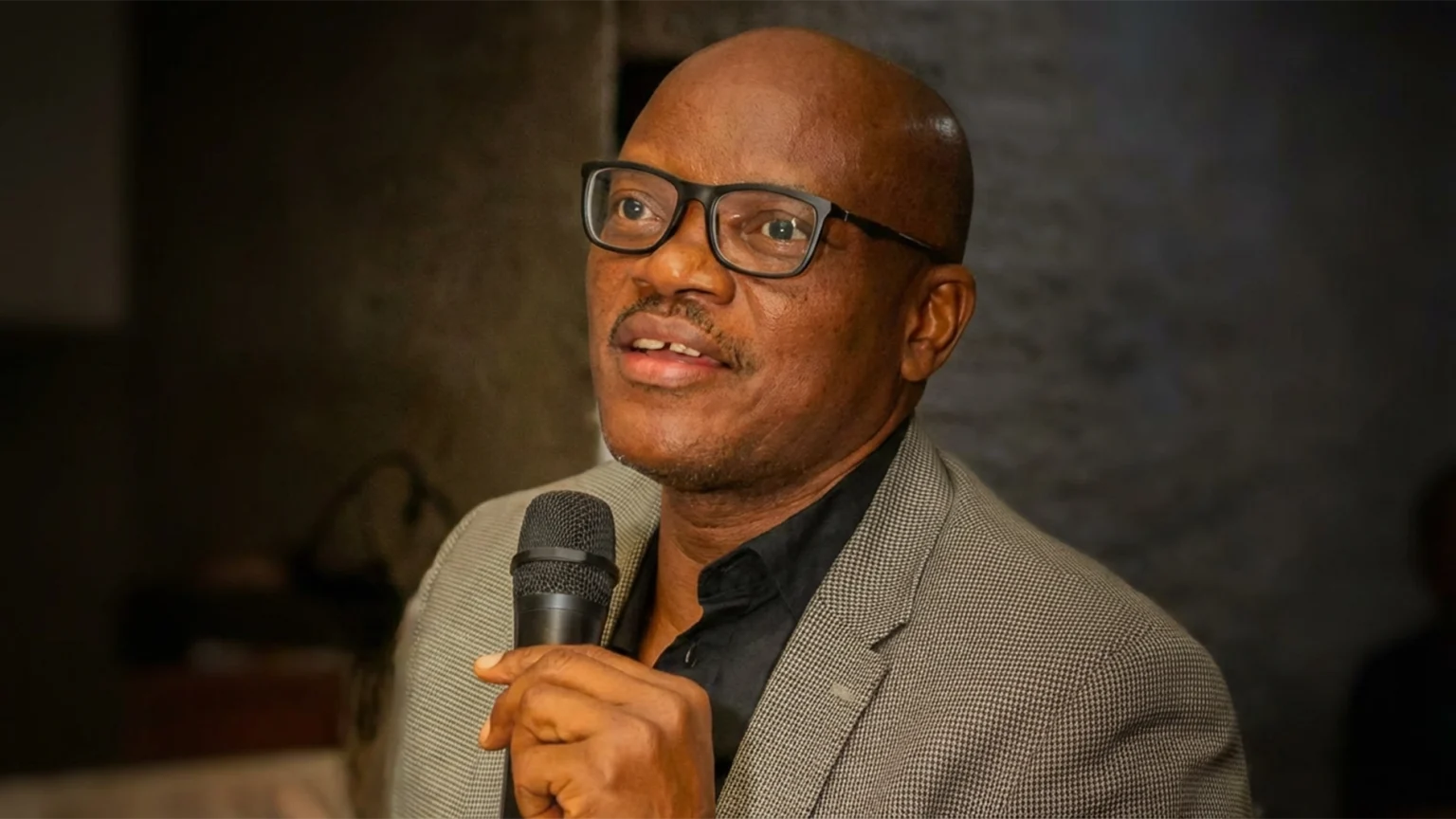
The Dean of Student Affairs at the University of Jos, Professor Chris Piwuna, has admitted that the Village Hostel has maintenance issues. This hostel is meant for students with disabilities. His comments came after a PREMIUM TIMES investigation highlighted the poor and inaccessible facilities.
Mr Piwuna spoke to PREMIUM TIMES after reading the report. He acknowledged that the hostel needs improvements but mentioned that the university has made efforts to help students with disabilities.
"Hostel maintenance is a huge problem, and I can only say to you we will keep trying our best," he said in a message to the reporter.
He added, "Reports such as yours could always put us on our toes."
But he did not say when the university would renovate the hostel or fix the accessibility issues raised in the investigation. The investigation titled "Inaccessible Hostels, Other Facilities: How UNIJOS fails Students with Disabilities" detailed how students struggle to access bathrooms, move around the hostel, and get to lecture halls.
During a visit to the Village Hostel in September, PREMIUM TIMES found that the bathroom was old and poorly maintained. There were no ramps, grab rails, or features to help wheelchair users enter and move around independently.
The toilet area was dirty and smelled bad, with visible human waste in parts of the facility. The investigation also noted overgrown bushes, uneven surfaces, potholes, and other obstacles that make it hard for students with disabilities to move around.
Monica Joseph*, who uses a wheelchair, told PREMIUM TIMES that she crawls into the bathroom because there is no ramp or support device for her wheelchair. "I become even dirtier after coming out of the bathroom," she said.
Another student, James Patrick*, who is visually impaired, shared that he fell from a bridge while trying to cross to school because there was no guide to show the safe path.
Dean Disagrees with Neglect Claims
In a phone call with PREMIUM TIMES after reading the report, Mr Piwuna described the claim that the university abandoned students with disabilities as unfair. He said that soon after he became dean, he visited the Village Hostel and saw several problems that needed fixing.
He noted that some doors in the hostel had fallen off, while others were not suitable for the students’ needs. He said the university replaced the doors and fixed other parts of the hostel, including window fittings.
"When I became dean, I visited that hostel. I noticed that their doors had fallen, and I thought it was unfair to their disability, having them in bathrooms without doors. We fixed the doors. We even fixed their room doors," he said.
He also mentioned that the university repaired a borehole near the hostel after students had to walk to fetch water from other parts of the campus because the facility was not working.
Mr Piwuna said that Professor C.J. Dakas helped with financial support for the repairs. He pointed out that the university also hired two staff members in the Directorate of Student Affairs to assist students with disabilities, including blind and deaf students.
He added that he personally took steps to improve areas around the hostel that became hard to navigate during the rainy season. He mentioned that they worked on sections where water pooled to make movement easier for students.
He asked PREMIUM TIMES to check with former Students’ Union Government leaders and presidents of associations for blind and deaf students about the improvements.
However, during the September visit, PREMIUM TIMES observed that many accessibility challenges still existed around the hostel. Overgrown bushes, uneven surfaces, stones, and potholes made it difficult for students with disabilities, especially wheelchair users, to move around.
Some areas remained inaccessible, with no ramps or features to help students move independently.
University Acknowledges Issues
While defending the university’s actions, Mr Piwuna recognized that the conditions in the hostel were still not good enough. He said that maintaining university facilities is an ongoing challenge, especially with the financial and administrative demands of managing such a large institution.
"The issue of hostel maintenance is a big thing in any university in Nigeria, so it requires constant maintenance. That is what is lacking. Sometimes the government or the university administration is unable to do all of those things," he said.
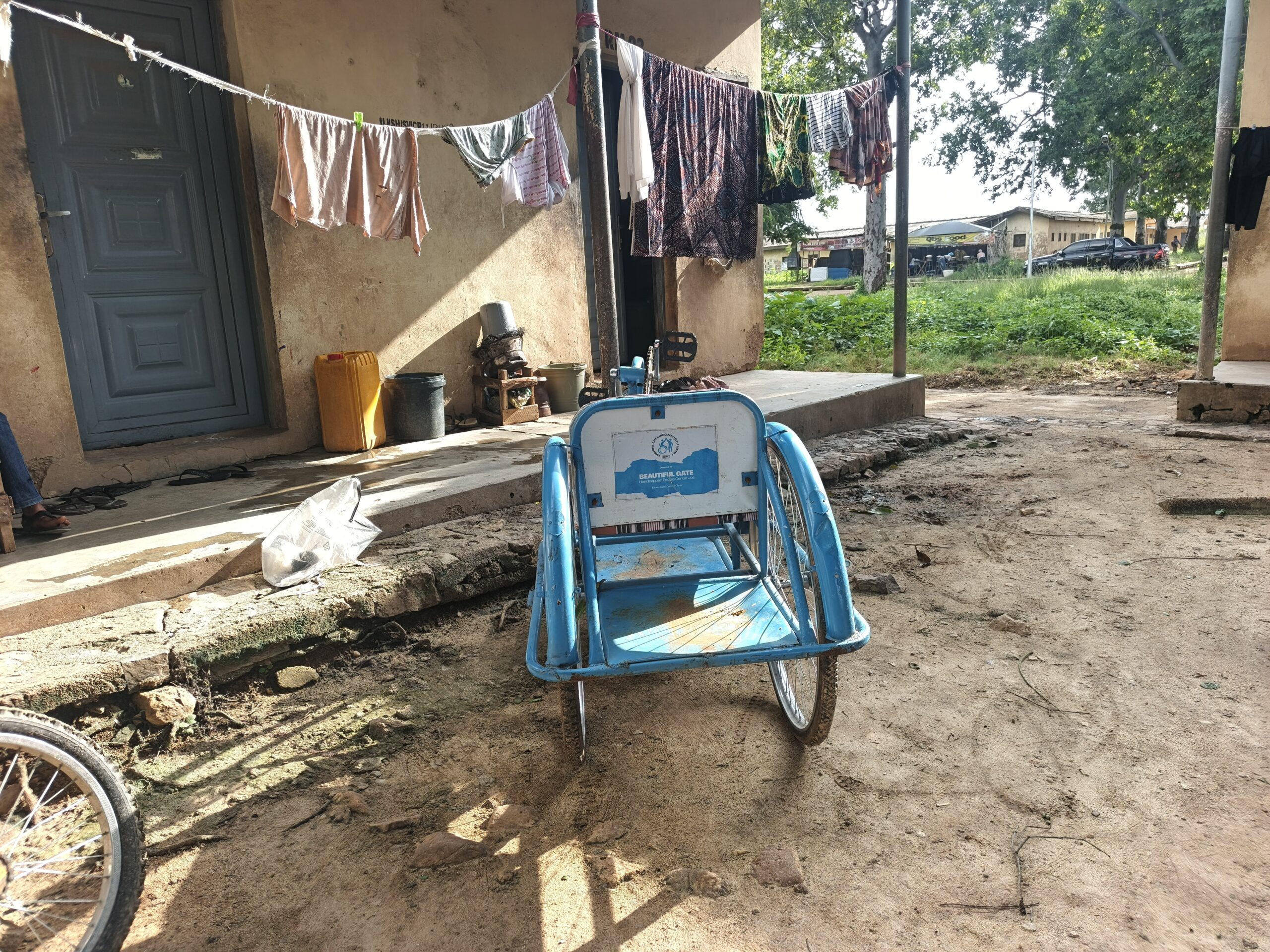
He also acknowledged the conditions shown in the pictures published by PREMIUM TIMES.
"From the pictures that you’ve shown, if anybody knows what it means to maintain these things, when you talk to such individuals, they will tell you that it’s an ongoing thing," he said.
The dean, however, rejected the idea that the university had neglected the welfare of students with disabilities.
"Nobody is arguing that the hostel is at the level that it should be. No, that’s not what I’m saying," he said. "We need to do more. I have no doubt about that. I agree with you 100 percent, but to say or give the impression that they are being abandoned, nobody cares about their welfare and all of that, is not true. In fact, the grass around their hostel, I made sure that at any point in time, those places are properly mowed so that snakes and other reptiles would not be around."
Mr Piwuna said the university had written to the National Commission for Persons with Disabilities seeking help to improve the hostel. He claimed the commission sent someone to assess the facility and get estimates for the work, but nothing happened afterward.
He stressed that the lack of action on the proposed improvements does not mean the university forgot about the students.
PREMIUM TIMES’ Questions
Before publishing the investigation, PREMIUM TIMES reached out to Mr Piwuna, Vice-Chancellor Tanko Ishaya, and the university’s spokesperson, Emmanuel Madugu, to ask about the accessibility problems and how the university planned to address them.
The newspaper sent Mr Piwuna a WhatsApp message on October 12. The message detailed observations at the Village Hostel and included four questions about improving accessibility, the use of students’ facility improvement and utility fees, plans for accessible hostels and campus facilities, and timelines for addressing the issues.
Mr Piwuna initially declined a phone call and did not respond before the report was published. After reading the investigation, he reached out to the reporter, saying he had missed the earlier message.
"I must have missed or bypassed your message. As you can see, I even thought they all came in today. Sorry about that," he wrote.
He later sent another message explaining his position and suggesting that the newspaper verify his claims with past student leaders and representatives for blind and deaf students.
"Well, this is what I have to say about the situation. I hope it helps in your future report," he wrote. "You can confirm whatever I have said with either past SUG leaders or the presidents of blind or deaf students."
He acknowledged that the newspaper’s findings could help highlight problems that need fixing. "Reports such as yours could always put us on our toes," he said.
Fees and Renovation Still Pending
While Mr Piwuna explained the efforts by his office, he did not answer all the questions raised in the investigation. He did not clarify how the university spends the N5,000 facility improvement fee and N30,000 utility charge that students pay.
The investigation included estimates showing that if every student paid the N5,000 fee, it could total around N138.23 million over three academic sessions. This figure is just an estimate and not confirmed income for the university. The facility improvement fee is also not only for hostel improvements.
The investigation questioned how the funds were used and what improvements students received, especially those in the Village Hostel. Mr Piwuna did not provide details on how the fees were used or explain when the university would renovate the Village Hostel or install ramps, grab rails, and other accessibility features.
While the dean says the university will keep trying its best, students with disabilities are still waiting for visible improvements they can use.
Note: Names marked with an asterisk have been changed to protect the identity of the students featured in the investigation.
Get more stories like this on your home page
How this story developed
- UNIJOS Fails Students with Disabilities in Hostels and Facilities
UNIJOS Dean Responds to Concerns About Hostel for Students with Disabilities (this story)

Comments
No comments yet.