Why the US Midterm Elections Matter to Everyone
The upcoming US midterm elections on November 3 will shape local and national leadership. Understanding their significance is crucial for everyone.
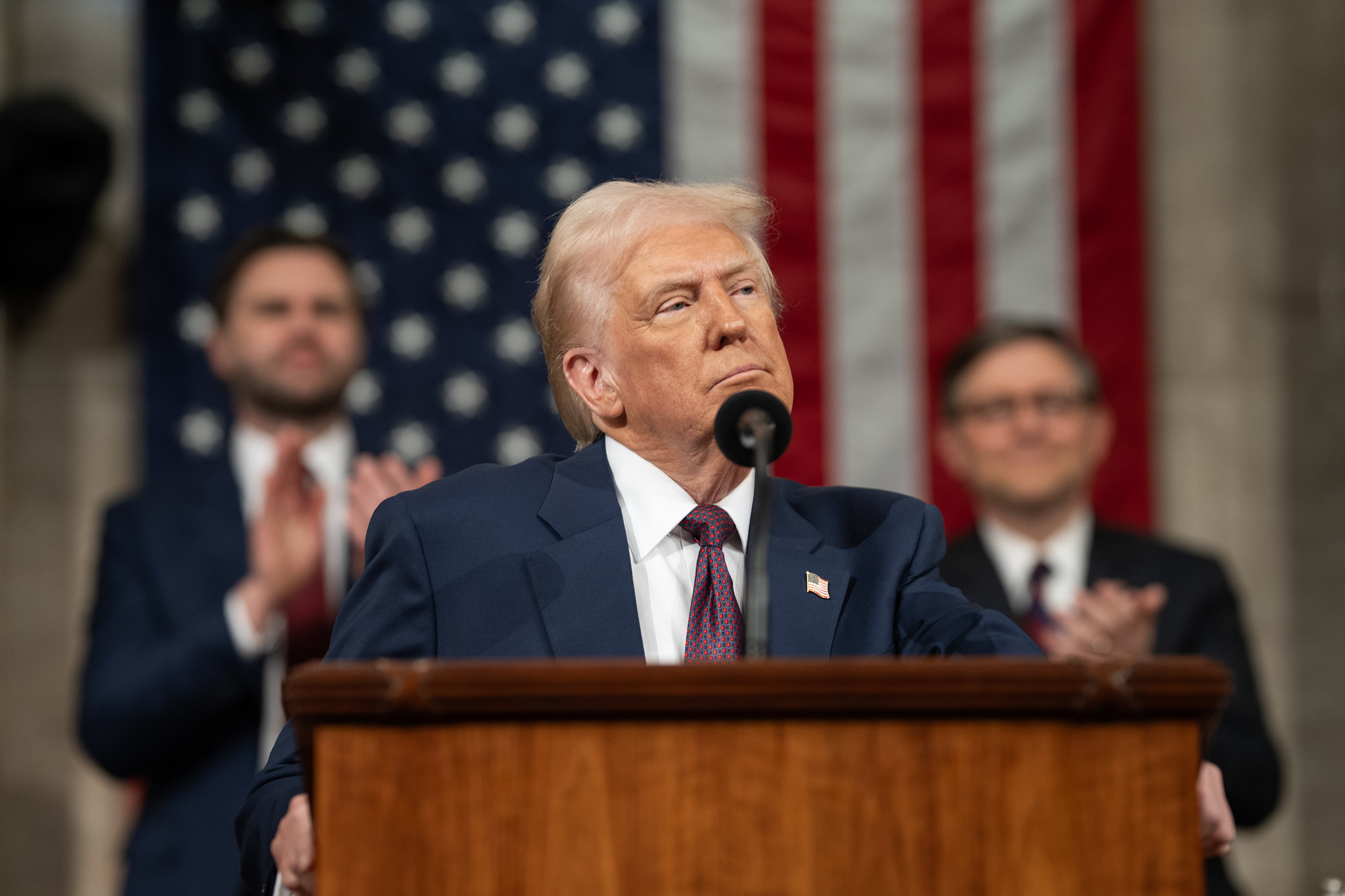
On Tuesday, 3 November, Americans will vote in midterm elections. Voters will decide on many local positions and initiatives. They will also choose all 435 seats in the US House of Representatives, 35 of the 100 seats in the Senate, and 36 state governors, among others.
One name is missing from the ballot, but it hangs over this cycle. That name is the US president. Midterm elections have not been kind to the president’s party. In the last 22 midterms, from 1934 to 2022, the president’s party only gained seats in the House three times. In the other nineteen elections, it lost House seats.
As of 16 October, polls show Democrats with a 90 percent chance of winning the House and a 63 percent chance of controlling the Senate. These predictions are common in midterms. The issue is that Donald Trump's presidency has been unpredictable, often crossing legal lines.
Forget his failed insurrection on 6 January, 2021. From encouraging gerrymandering in Republican states to involving the US Postal Services in elections, the Trump administration has caused chaos. His focus on tariffs has hurt Americans while benefiting China.
Trump's admiration for dictators led him to befriend leaders in North Korea and Russia. His actions in Iran have given leverage to a country seen as a global outcast and included Israel in a list of notorious regimes.
This was all part of the effort to Make America Great Again (MAGA). Before Trump’s second term, America accounted for about 26 percent of the world economy. America was never small. Yet, the quest for greatness has seen the US weaken much of the infrastructure that has supported the global system for decades. PREMIUM TIMES believes the world needs to rethink its organization for the next hundred years.
The challenges remain heavy. The rise of AI and the belief in power politics make things harder. This newspaper knows that many agencies designed to rethink global frameworks are already at work. The missing piece is the erratic behavior of leaders in powerful countries. Sadly, the unpredictable actions of the Trump administration over the past two years have added to this problem.
Will the next Congress keep checking Trump’s policies? In Africa, concerns about the administration’s attack on the World Health Organization (WHO) show this is a big issue. As if undermining the WHO were not enough, Trump's use of aid as a political tool continues to hurt Africa. Aid is a US choice, but it should not be used to humiliate.
The US government made its decision to end the President’s Emergency Plan for AIDS Relief (PEPFAR) support for South Africa based on an executive order accusing the country of discriminating against white Afrikaners. Congress has acted as a barrier before. When the administration tried to take back unspent PEPFAR funds as part of cuts to foreign aid, Republican defections in Congress stopped it. If Trump’s party gains more power, this barrier may weaken.
Opposition from the White House and conservative Republicans created another problem for Africa. Speaker Mike Johnson had to cut the House’s initial renewal of the African Growth and Opportunity Act (AGOA) from three years to one. This US trade program, started in 2000, allows duty-free access to the US market for over 1,800 products from eligible sub-Saharan African countries. It will now last until 31 December after Trump signed a law extending AGOA by one year. The next Congress will decide its fate quickly. A Republican Congress aligned with the White House may turn AGOA into a bargaining chip. South Africa may keep its AGOA eligibility, but the 30 percent tariffs set for 2025 will reduce its benefits.
There are few advantages for Africa from America’s travel bans. Thirty-six out of Africa’s 54 countries now face either US travel bans or visa requirements. This mainly affects students, professionals, and family ties. While these actions come from executive orders, Congress influences how far they can go.
The midterm elections will also affect where deportees are sent. An AFP investigation found that Washington used threats of tariffs, visa suspensions, or aid cuts to push African countries into accepting deportees. Burundi recently became the 15th African nation to agree to this. The harm goes beyond migrants. These secret deals set examples that weaken the rule of law and transparency that African democracies need. Congressional scrutiny is one of the few ways these terms are made known.
A Congress that holds hearings and demands evidence checks policies based on misinformation. A compliant Congress does not. This is especially important when actions against South Africa are based on claims that both governments reject and many analysts view as distorted. Since war powers belong to Congress, its willingness to question a broad interpretation of a 2001 counterterrorism law will give African nations more protection from the Trump administration’s tendency for unilateral action. For Nigeria, this is the biggest issue. Military strikes in northwest Nigeria last December were the first US military strikes in the country, authorized under the 2001 Authorisation for Use of Military Force Act.
Based on false narratives, the Trump administration has caused many problems globally in the last 24 months. This is why PREMIUM TIMES hopes for a Democratic majority in the US House of Representatives and, hopefully, in the Senate too.
Comments
No comments yet.