ADC Chair Says Lagosians Want Change from APC
George Ashiru, Lagos State Chairman of ADC, shares insights on the party's growth and its vision for change in the upcoming elections against APC.
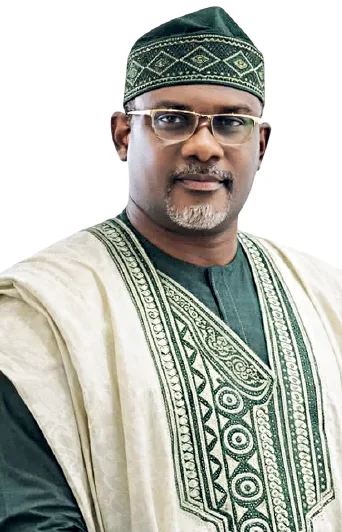
The Lagos State Chairman of the African Democratic Congress, George Ashiru, talks to ISMAEEL UTHMAN about the party’s chances in the 2027 elections.
ADC has gained attention nationally, but what about Lagos State? How is the party doing?
Lagos is at the center of ADC’s growth in Nigeria. Since July last year, we have welcomed many new members during various events. We also had the largest participation in primaries compared to any other opposition party. Our media presence has been steady, and many people are now familiar with ADC in Lagos. Recently, we focused on restructuring our party after the primaries to prepare for the upcoming campaigns. Soon, with our presidential candidate’s campaign kickoff, we will be actively promoting our policies and plans to the people at the grassroots level.
The All Progressives Congress has been in charge of Lagos for over 25 years. Can ADC really challenge APC?
The ruling party in Lagos has kept the same political system for years, dating back to the Unity Party of Nigeria. They have changed over time, trying to align with national interests. But many Lagosians feel unhappy with the harsh policies that have made life harder for many. ADC believes in governance that puts people first. We aim to offer a better vision and economic solutions that will help citizens participate more in the state’s development. This will help increase productivity and revenue without heavy indirect taxes. We listen to the people, just like the Democratic Party listened to voters in America, leading to their big win.
The Labour Party won the 2023 presidential election in Lagos. What about ADC’s presidential candidate, Atiku Abubakar? Does he have a chance?
The 2023 elections were driven by a desire for change after years of economic struggles and security issues. Voters wanted a different political approach that promised better living conditions. This feeling helped the Labour Party, attracting young leaders to their candidate. At that time, many saw the APC and the Peoples Democratic Party as equally responsible for Nigerians' problems. There was a strong call for change, and the Labour Party had candidates that resonated with that need. The result was a clear rejection of the ruling party. These feelings are even stronger now. Lagosians are suffering from high taxes and poor public services. ADC has a strong gubernatorial candidate, Gbadebo Rhodes-Vivour, who was part of the Labour Party's success in 2023. Atiku Abubakar is well-known as a former Vice President, and he offers a friendlier platform now. My honest view, based on our grassroots efforts and public opinion, suggests that voters will lean towards us.
Are you saying Atiku will win in Lagos?
I think he will surprise many in Lagos. Politics is about winning elections and leading effectively. Our expectations are based on this reality. A fair election will favor ADC, and that is what we want. Our democracy should not feel like a military rule. Everyone should have the freedom to vote, and every vote should count. We are all Nigerians, and everyone deserves to have their rights respected. Based on this, I can confidently say ADC Lagos will perform well. We work quietly, building our base so we can shine when the elections come.
How do you view Governor Babajide Sanwo-Olu’s administration? What policies would ADC offer to Lagos?


The ruling party has a long-term plan that reflects their leadership’s culture. The governor has continued this old governance style, but the people of Lagos want new priorities. We plan to improve healthcare for everyone. We aim to raise public education standards and focus on vocational training and the digital economy. We need to support Micro, Small, and Medium Enterprises to cut down on unemployment. Our transport system is outdated, and tourists struggle with public transit. Housing is expensive, and the government’s efforts have been limited and selective. We should prepare for the estimated 50 million people who will live in Lagos in the coming years.
There are claims that Atiku has not been funding the party’s activities in the South-West. Is that true?
According to our party’s rules, a presidential candidate is not required to fund the party! All members pay fees, and they contribute to the party’s activities. For the presidential campaign, Atiku and his running mate, Rotimi Amaechi, have a budget to cover all areas for voter mobilization. The South-West will not be left out, especially now that the campaign is officially starting.
Some say Atiku’s associates are running his political activities instead of the party structure. Do you agree?
As I mentioned before, candidates can support the party, and they do so alongside buying nomination forms. The National Working Committee runs the party, not the candidates. You might be talking about Atiku’s support groups, which are not necessarily part of the party structure. These groups back their preferred candidates. Popular candidates often have their own support groups. In 2024, a large support group was key for Donald Trump in the US elections, and we saw similar support groups influence the presidential elections in Lagos.
President Bola Tinubu is from the South-West. How will you campaign for a northern candidate amid this regional sentiment?
ADC is based on ideology and does not practice zoning in our culture or rules. We support whoever our members choose during the primaries. We have members from all over Nigeria and do not want to base our future on rotation instead of ability. Lagos is a diverse state and offers voters many candidate choices. We appeal to young people with our youthful gubernatorial candidate and have 15 female candidates. Our candidates in Lagos ADC represent all major ethnic groups in the country, reflecting Lagos's diversity.
What challenges does ADC face in Lagos and the South-West?
Our situation might differ from other states. Our biggest worry is the safety of our party members, candidates, and supporters. Over the past year, we feel vulnerable to those who wish to stop any serious opposition. Though Lagos calls itself the “Centre of Excellence,” we still struggle with electoral civility. Despite having many registered voters, we have the highest voter apathy in Nigeria. We are often ruled by a minority. We have goodwill from the people, but they express concerns about safety and security during elections. We are also worried that the security agencies are not proactive in addressing these issues.


Comments
No comments yet.