Iyabo Obasanjo and Yayi's Clash Shows Ogun's Political Shift
The recent clash between Senators Iyabo Obasanjo and Solomon Yayi highlights the changing political dynamics in Ogun State as elections draw near.
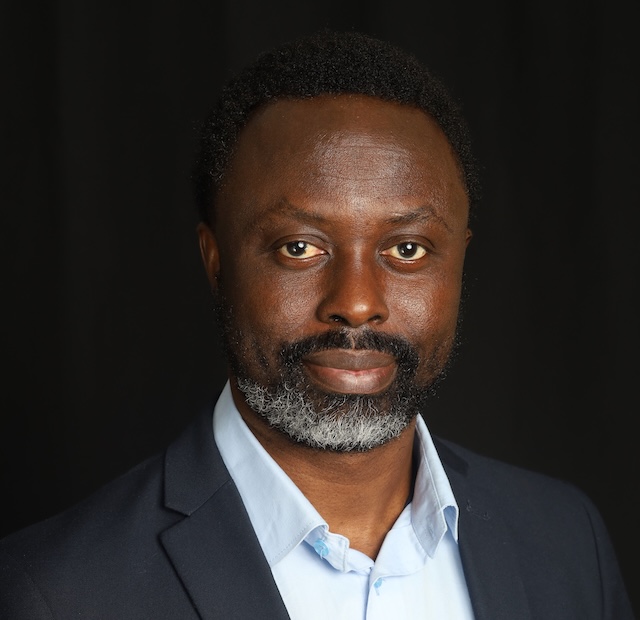
The whole situation is sad. It should not have come to insults. But it also shows something important: the way politics is done.
In today's world of quick news and public drama, what happened between Senator Iyabo Obasanjo and Senator Solomon Olamilekan Adeola, also known as Yayi, is not surprising. Public fights are rarely just personal. They often reflect deeper changes in politics. This fight might look like just another case of public anger. But as elections get closer and political heat rises in the country, it highlights the changing politics and power dynamics. It shows the clash between old political ways and a new strategy-driven approach.
Nearly ten years ago, I wrote about this change in an article in THISDAY Newspaper on March 10, 2017, called “Senator Adeola in an Age of Disruptive Politics.” I quoted former British Prime Minister Tony Blair, who said, “Outrage is easy; strategy is hard. Outrage provides necessary motivation. But only strategy can deliver victory.” I explained that Adeola was changing how politicians engage with voters in Ogun State.
As someone with ties to all three regions of Ogun State, with a mother from Ilaro, a father from Abeokuta, and a wife from Ijebu, I care about the governance of our state. My work as a policy advisor and entrepreneur makes me interested in how policies can boost economic growth, attract businesses, and make Ogun a great place to live.
In that 2017 article, I wrote that “Yayi is moving away from the traditional ways of connecting and interacting with voters. An early bird in political campaigns with unusual money in his wallet, town hall meetings, field organizers, meetings with influencers, and mixed media have been used by Yayi to get to where he is. Interestingly, political establishments in Ogun State, where Yayi now has a better ground game, are not looking at Yayi’s politics; they are stuck with old ideas of regions and endorsements.”
With elections just a few months away and political heat rising, the tension in Ogun State politics is good for democracy. At least we now understand what caused the fire in the kitchen.
Many people support Senator Adeola’s response to blackmail politics. But he must keep building coalitions and focus on what matters to Ogun State residents. This focus will be key to his success, not just in the elections but also when he governs the state.
Few politicians in Nigeria have made an impact like Senator Adeola. He shows hard work and now serves as a quiet example of renewal. What makes Adeola special is not just his flashy campaigns or smooth speeches, but the steady wisdom he had long before entering politics. Voters did not just choose him for his past roles. They appreciate the kind of leadership he offers: thoughtful, meaningful, and based on real-life experiences.
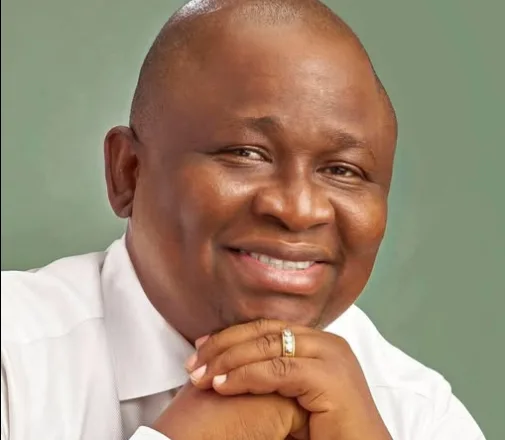
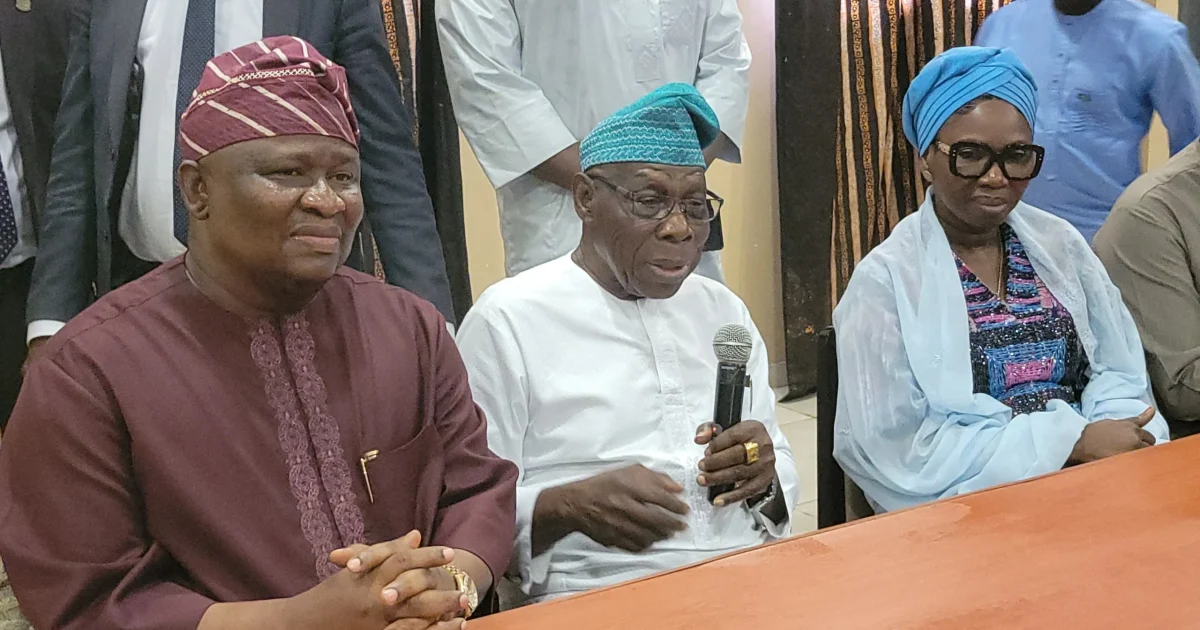
Adeola’s journey started not as a typical politician but as an accountant. He understands what budget decisions mean for people and businesses. As a candidate for governor, he joined the race when Ogun needed someone like him to build not only roads but also economic success, using the state's resources. While others focused on drama, Adeola ran on practical solutions. His first campaign for the Ogun West Senate seat featured listening tours, where he took notes instead of giving speeches. Residents shared stories of years of neglect from past governments, bad schools, and families leaving for better opportunities. Adeola's approach was never just a slogan; it was about data-driven projects: retraining workers based on local needs, giving incentives to small businesses and manufacturers, and reforming education to include vocational paths alongside university tracks.
In his current race, critics initially called him too serious or an outsider from Lagos. He reminded them of his childhood in Ilaro, saying he returned to promote good governance. His campaigns gained strength because they felt genuine. He refused backdoor politics, choosing instead open town hall meetings streamed live without heavy editing. Supporters admired his bravery and willingness to return home to help a state that needed him more than Lagos did. This humility is rare for someone with such influence in Lagos.
It is not surprising that by the time he announced his bid for governor, Adeola had built a coalition that crossed traditional lines: a group that valued his focus on trade skills, families wanting better schools, and elected officials from all over the state. These included former and current council members, House of Assembly members, senators, and governors who were drawn to his people-focused and efficient governance style.
This does not mean Adeola is perfect or free from critics. Some have pointed to a road project in Ogun West funded by the National Commission for Almajiri and Out-of-School Children Education. Others have raised questions about different issues. Such tensions are normal in a democracy. What matters is that Adeola has gained the public’s trust by treating governance as a responsibility, not a conquest.
What voters love is a leader who leads with honesty, respects different opinions, and focuses on real results instead of just flashy victories. In a divided country that wants competence, Adeola shows that wisdom still matters. He reminds us that good leadership is not about being in the news all the time but about improving lives over time.
As people continue to watch Adeola and wonder why his approach works, one thing is clear: Nigerians want leaders who prioritize substance, listen closely, and deliver results.

Comments
No comments yet.