Kula Boat Tragedy: Oil Companies Must Prioritize Human Lives, Says HOMEF
The Kula boat tragedy highlights the dangers of prioritizing oil profits over community safety. HOMEF demands accountability from oil companies.
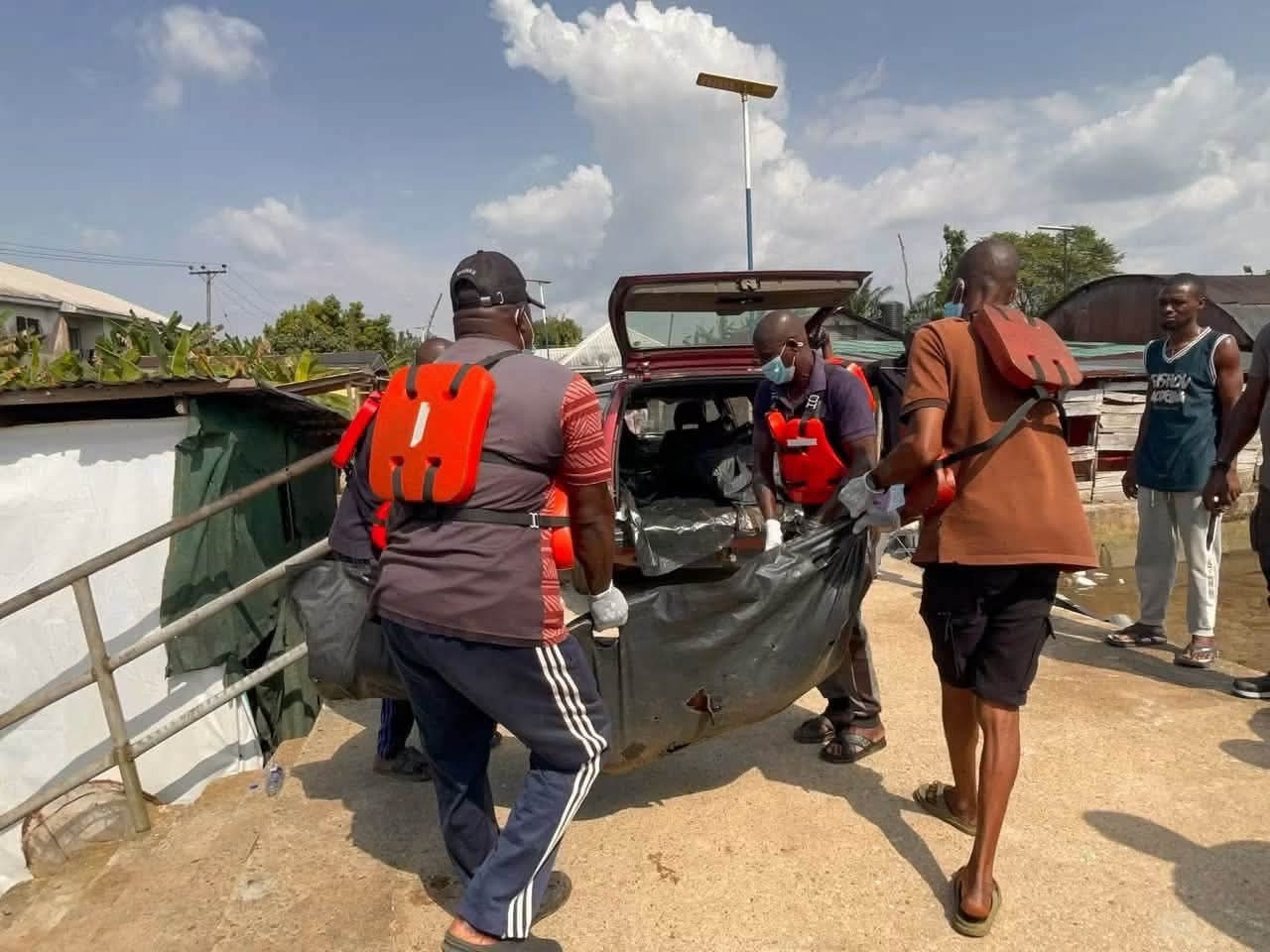
The Health of Mother Earth Foundation (HOMEF) has condemned how seven people died in Kula Kingdom, Rivers State. The group warned that oil profits should never come before human lives and the environment.
The tragic boat accident happened on 20 October during a protest against the removal of an offshore oil vessel. HOMEF said this incident shows the risks of depending on an oil economy that puts resource extraction over the safety of local communities.
In a statement on 29 October, signed by Kome Odhomor, HOMEF’s Media and Communications Officer, the group raised serious concerns about the responsibilities of oil companies and government institutions toward communities affected by oil operations.
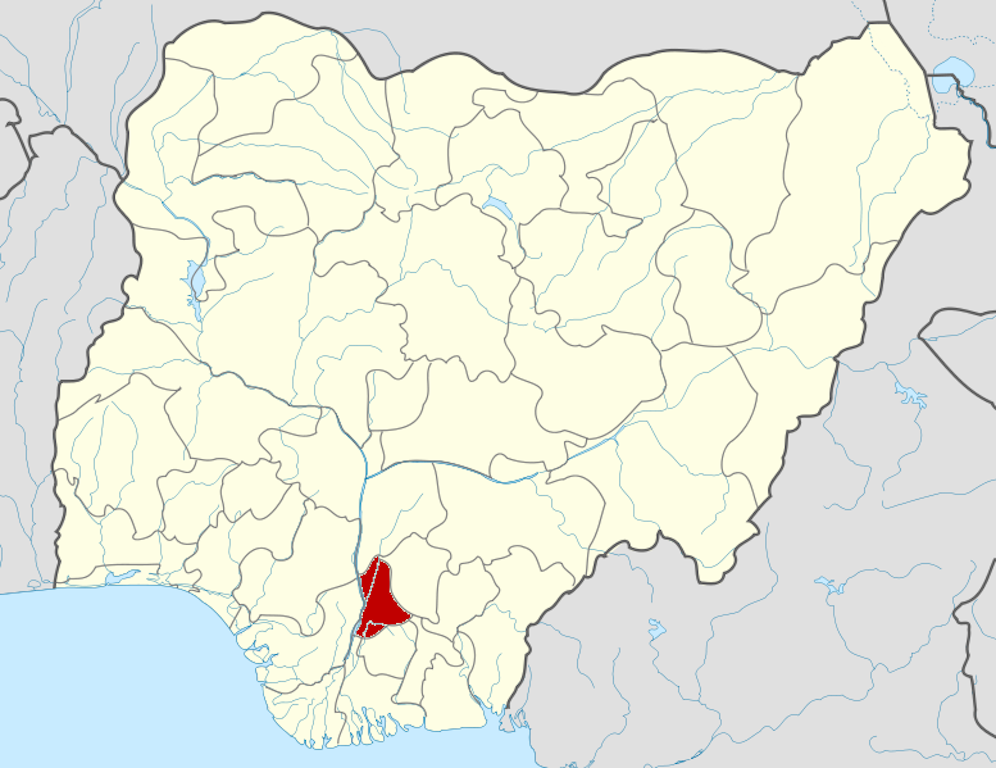
The accident took place in Kula Kingdom’s waterways in Akuku-Toru Local Government Area. A speedboat with 15 people capsized while moving the Anambra Basin Floating Storage and Offloading (FSO) vessel. Eight people survived, while seven died. Tensions had been high between community members and those removing the oil vessel from the water.
The protest began due to unresolved issues in the community. These included claims of an oil spill, unpaid debts to local vendors and contractors, and feelings of neglect by the operators of the oil facility.
Nnimmo Bassey, the Executive Director of HOMEF, said the tragedy highlights the unfairness of an oil industry where communities suffer environmental damage and human costs while companies chase profits. "The Kula tragedy exposes the cruelty of an extractive model that places commercial interests above human lives and the wellbeing of communities. No barrels of crude oil are worth a human life," he stated.
Mr Bassey also said that years of oil extraction have caused pollution, damaged fishing areas, threatened food security, and harmed livelihoods. He pointed out that fishing communities like Kula rely on healthy waterways to survive and thrive.
He said that environmental justice should involve more than just paying compensation after pollution occurs. It should also include preventing damage, restoring affected areas, and respecting community rights. "Companies and public institutions must recognize their responsibilities to the people and ecosystems affected by extractive activities," he added.
The Kula incident has raised questions about the operations leading up to the boat capsizing. Community members had opposed the removal of the Anambra Basin FSO vessel due to unresolved complaints about pollution and other issues.
Max Shipping Services Limited, which owns the vessel, expressed sadness about the incident but denied any responsibility. The company claimed its role was only to own and retrieve the vessel, which it had leased to Menal Technical Services Limited for oil evacuation.
The Rivers State police announced they have started an investigation into the incident. The seven deceased individuals were confirmed after search and rescue teams found the bodies of the last two victims, following the earlier recovery of five bodies.
HOMEF pointed out that this tragedy shows how chasing natural resources without caring for community welfare can lead to more grievances, insecurity, and human suffering. The group rejected treating oil-producing areas as sacrifice zones for profits. They insisted that people living in resource-rich areas should not be seen as obstacles to oil operations.
They called for a change from what they describe as extractivism to a development model that focuses on ecological health, human dignity, and community livelihoods. HOMEF urged the government and oil companies to prevent pollution, restore damaged ecosystems, protect fishing areas, and ensure that local communities have a say in decisions affecting their land and waterways.
The organization also called for strong protections for communities. They want to ensure residents can voice environmental concerns and protect their livelihoods without facing violence or danger.
HOMEF expressed sympathy for the families of the deceased, the survivors, and the people of Kula Kingdom. They warned that these deaths should not just become another number in the ongoing suffering linked to oil extraction in the Niger Delta. "The lost lives represent families, relationships, aspirations, and futures cut short," the organization said.
They urged Nigeria to tackle the inequalities tied to oil extraction. Development cannot come at the cost of destroying communities and nature. "No profit is worth a human life. No resource is more valuable than the people and ecosystems that sustain life," HOMEF concluded.


Comments
No comments yet.