New Bill Aims to Protect Abuja Tenants from Exploitation
The House of Representatives is advancing a bill to regulate rental agreements in Abuja. It aims to protect tenants from exploitation and unfair practices.
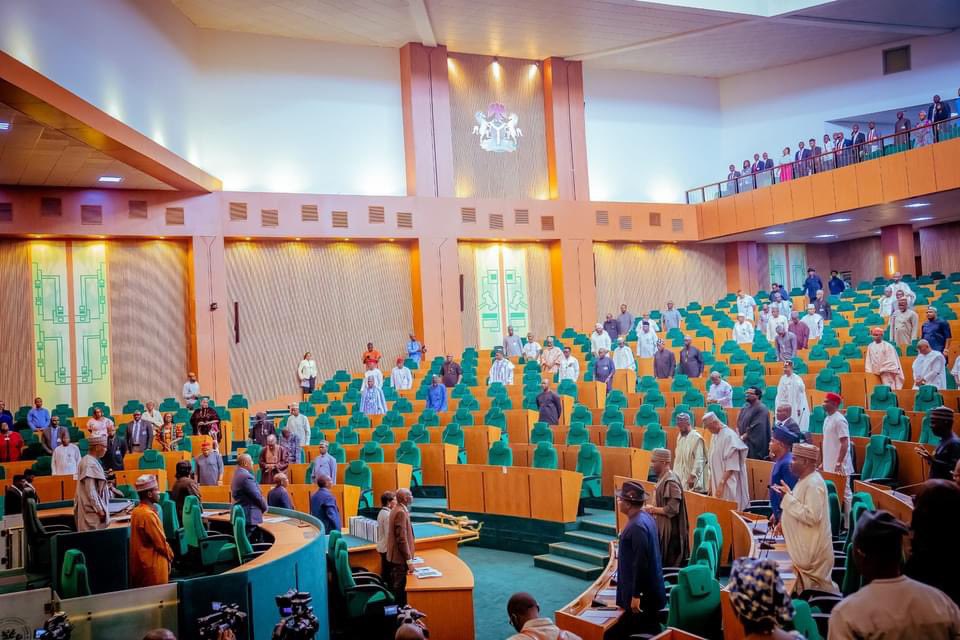
The House of Representatives has moved forward with a new law to manage rental agreements in the Federal Capital Territory (FCT). Lawmakers are split on how much the government should get involved in rental deals between landlords and tenants.
The Federal Capital Territory Advance Rent Regulation and Tenants’ Protection Bill, 2026 (HB.2839) is sponsored by Paul Nnamchi (APC, Enugu) and Ahmed Doro (PDP, Katsina). It passed its second reading during Wednesday’s session.
The bill aims to tackle unfair rental practices. This includes demands for several years’ rent upfront, high fees, and illegal eviction of tenants.
The bill had its first reading on Thursday, 22 October, when it was introduced to the House.
During the debate, Mr Nnamchi said the rising cost of housing and the need for tenants to pay large amounts in advance have put a heavy financial burden on residents. This situation affects their savings, businesses, and job opportunities.
He explained that the new law would create a clearer and fairer rental system by limiting advance rent, regulating rental practices, and protecting the interests of both landlords and tenants.
Mr Nnamchi emphasized that the law is not meant to harm property ownership or scare off investment in real estate. He said it aims to balance the interests of landlords and estate agents with the needs of tenants who often face exploitation.
He stated, “Mr Speaker, this legislation is not intended to undermine property rights or discourage investment. Rather, it recognises that legitimate commercial interests must coexist with public protection. Landlords deserve reasonable returns.
“Agents deserve professional recognition. And tenants deserve fairness and protection from exploitation.”
The lawmaker noted that a controlled rental market would enhance transparency, certainty, and accountability. He called on colleagues to support the bill so it could go to committee for more detailed examination and input from stakeholders.
Many lawmakers supported the idea, but the discussion revealed differences about whether the government should ban certain rental practices or just oversee them.
Idris Zacharias (PDP, Kogi) said the bill is important but urged the House to look at broader land and housing issues in the FCT. He also suggested that the House Committee on FCT and Area Councils join the committee reviewing the bill.
Chinedu Ogah (APC, Ebonyi) backed the bill, pointing out the financial strain businesses face when trying to find office space in Abuja. He said, “Renting a three-bedroom office in Wuse could cost between ₦25 million and ₦30 million annually, excluding agency charges.”
Mr Ogah argued that clearer rules would address high fees and create a more stable environment for investors. Leko Gambo (APC, Bauchi) also supported the bill but questioned the term “prohibit” in its title. He suggested using “regulate” instead, saying the law should focus on controlling rental practices rather than banning them outright.
Mr Gambo also mentioned extending the bill's reach to other parts of Nigeria. Deputy Speaker Benjamin Kalu explained that the bill is specifically for the FCT.
Ibe Osonwa (LP, Abia) raised concerns about limiting multi-year rent payments. He said landlords should have some flexibility in setting their terms. He described the rental market as a free market.
“This is a free market situation. By the free market economy, are we now going to, for every good or service that is sold outside, start to tell people how to trade in their own businesses?” he asked.
Mr Osonwa added that landlords and tenants could agree on multi-year payments when it made sense, urging lawmakers to avoid a blanket rule that could disrupt fair business.
Joseph Bagudu (APC, Kaduna) also argued for regulation over prohibition. He said landlords need to recover their investments, especially with rising building material costs. He disagreed with claims that agency fees could reach 25 percent of rent, stating they are usually around 10 percent.
Ayodeji Alao-Akala (APC, Oyo) supported the bill, saying it would tackle demands for multiple years’ rent upfront. He pointed out that asking young couples and other new tenants to pay two years’ rent in advance is unfair.
He suggested that the proposed law could allow for different payment options, like monthly or six-monthly payments, without forcing tenants to pay for several years at once.

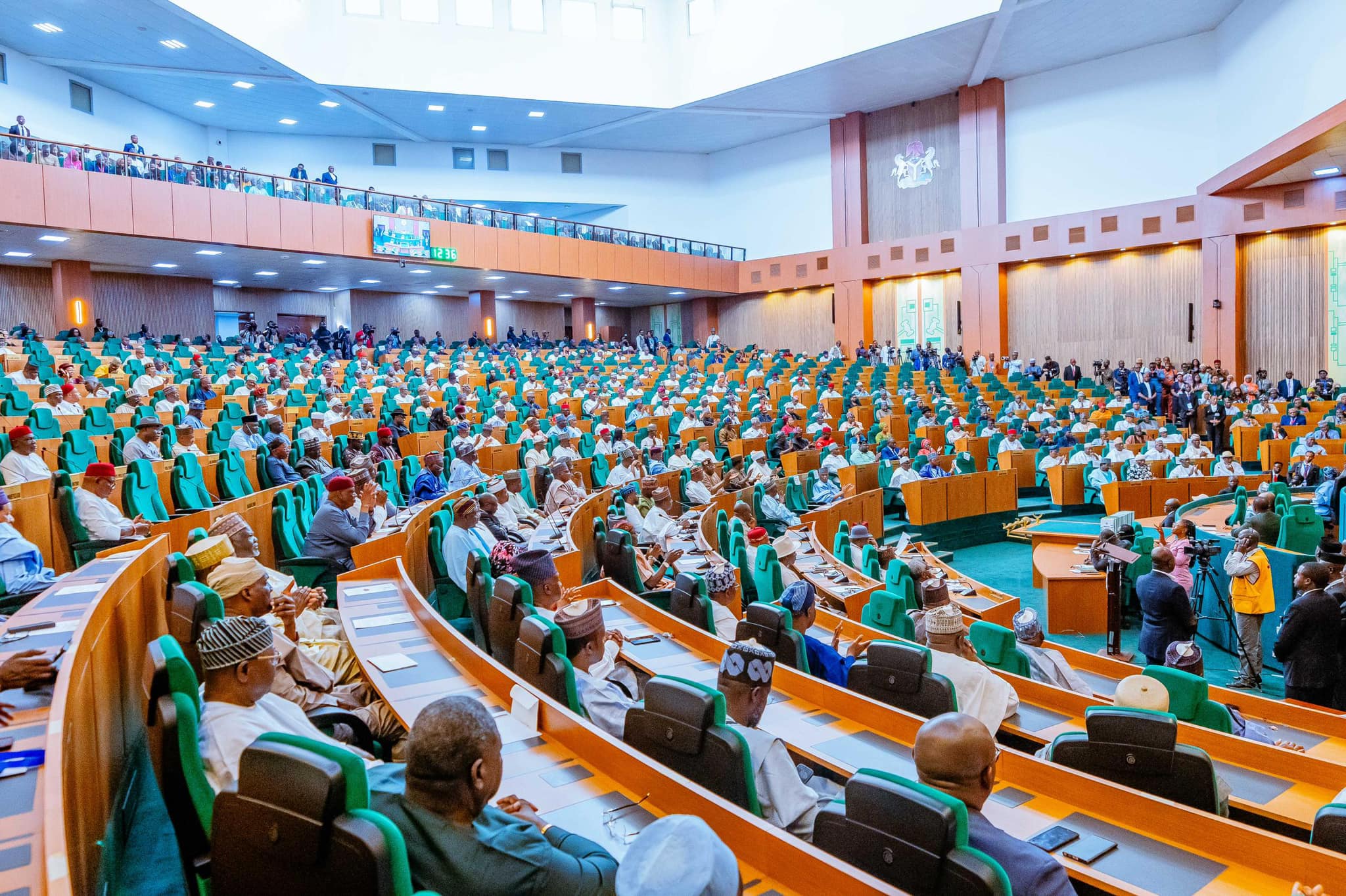
Patrick Umoh (APC, Akwa Ibom) raised worries about possible constitutional issues, especially regarding property rights and trade freedom. He asked lawmakers to pause the bill for more consultations and a review of existing tenancy laws in the FCT.
Wale Raji (APC, Lagos) said previous efforts to address rental problems have not solved the issues. He noted that the gap between housing demand and supply drives up rents and called for more investment in social housing.
Sunday Umeh (APC, Enugu) disagreed with claims that the bill violates the Constitution. He urged the House to allow it to move forward, where it could be examined and improved.
He stated that the National Assembly should create laws that support the welfare and good governance of Nigerians.
“The bill is not anti-investment. The bill is not against landlords or those investing in the real estate environment or industry. This bill is of good use to both the landlords and the tenants,” he said.
Mr Umeh added that the legislative process allows for concerns to be addressed and changes made before the bill is finalized.
The Minority Leader, Frederick Agbedi (PDP, Bayelsa), also called for support for the bill. He noted that high rents are forcing some Abuja residents into overcrowded and unsuitable housing in the suburbs.
He explained that the bill aims to tackle excesses in the rental market without scaring off property development.
House Leader Julius Ihonvbere (PDP, Edo) also supported the bill. He spoke about the struggles residents face when looking for housing and the issues with unregistered estate agents.
He said the proposed law would go to a public hearing where Nigerians, housing experts, and other interested parties could share their thoughts.
“We are in a stage where we have a duty to protect Nigerians. It’s not against you to build your house. You can build as many houses as you want,” he said.
In his closing statements, Mr Kalu referred to Section 16 of the 1999 Constitution. This section talks about Nigeria’s economic goals, including promoting citizens’ welfare and providing adequate housing.
He pointed out that Nigeria has a mixed economy where government regulation is needed in important areas, especially those related to basic human needs.
“Not all sectors of the economy should be free and capitalist, especially when it has to do with shelter, which is fundamental. So, some sectors should be regulated as well as controlled,” he said.
The deputy speaker’s comments reflected supporters’ views that housing shouldn’t just be treated as a business transaction without safeguards for people needing homes.
The House then passed the bill for a second reading.
PREMIUM TIMES reported that the 17-page bill suggests a regulatory framework covering advance rent payments, tenancy agreements, estate agents, complaints, refunds, eviction methods, and dispute resolution.
Under Section 4, landlords, estate agents, and property managers cannot ask, take, or force tenants to pay more than 12 months’ rent in advance to start, renew, or continue a tenancy.
This rule would cover both residential and commercial properties in the FCT. But the proposal does not fully ban tenants from paying more than one year’s rent. It allows voluntary payments over 12 months if the tenant suggests the deal without pressure, discrimination, threats, or retaliation, and if it is documented in writing.






Comments
No comments yet.