Updates from the House of Reps: State Police, Emergency Care, Abuja Rent, and More
Nigeria is moving towards establishing state police as 28 state assemblies approve the constitutional amendment. This change will empower governors to appoint police commissioners.
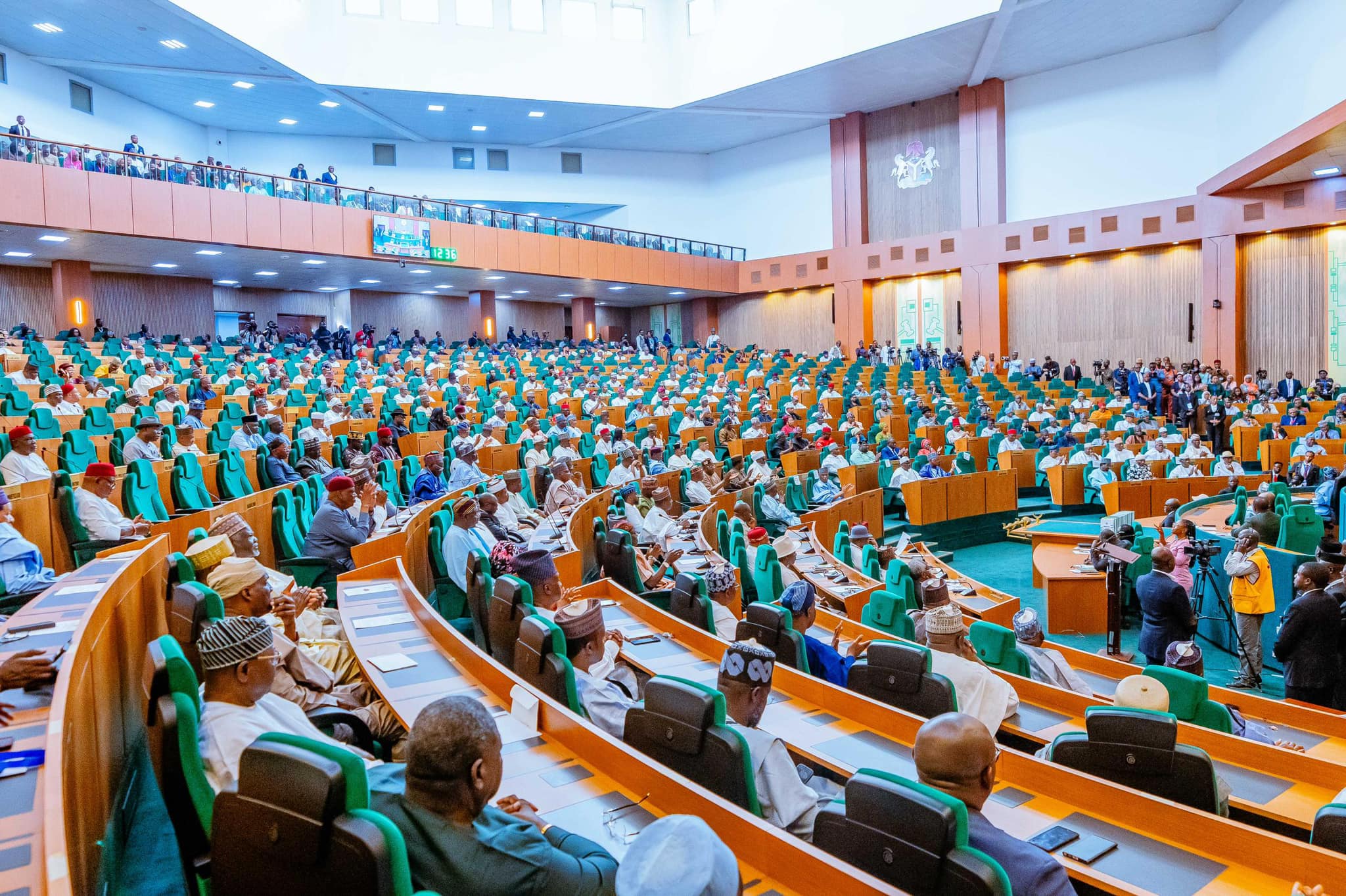
28 state assemblies give thumbs up for state police
Nigeria is getting closer to having state police services. About 28 State Houses of Assembly have approved the proposed constitutional amendment. This number is above the required 24 states.
Kamoru Ogunlana, the Clerk to the National Assembly, shared this news in a statement. His office has received and checked the resolutions and Votes and Proceedings from the 28 assemblies.
According to Section 9(2) of the 1999 Constitution, any change to the Constitution needs approval from at least two-thirds of the 36 State Houses of Assembly.
The proposed amendment is in the Constitution of the Federal Republic of Nigeria, 1999 (Sixth Alteration) Bill, 2026. It aims to create a policing system with Federal Police Services and State Police Services.
Each state would be able to set up its own police service. Governors would have the power to appoint commissioners of police. This will happen based on recommendations from the relevant police service commission and confirmation from their State Houses of Assembly.
This amendment comes after both chambers of the National Assembly passed it. The Senate approved it on 24 June, while the House of Representatives passed it on 23 July.
The bill was sent to the 36 state assemblies on 16 September for their input. The National Assembly initially gave the assemblies 30 days to respond, but the Clerk clarified that this timeframe, which ended on 15 October, was just administrative and not a constitutional deadline.
With the approvals now in place, the National Assembly has started the process of sending the bill to President Bola Tinubu for his signature.
New penalties for hospitals delaying emergency care
On Wednesday, the House took steps towards a bill that aims to punish hospitals that delay emergency medical treatment. The proposed changes to the National Health Act, 2014, are backed by the House spokesperson, Akin Rotimi (APC, Ekiti).
This bill seeks to impose fines, suspend operating licenses, and even close healthcare facilities that refuse or delay emergency care. It also wants to introduce criminal charges against health workers who ignore emergency patients.
The bill passed its second reading during plenary and was sent to the House Committee on Health Services for more work.
Under this bill, hospitals must start triage within 15 minutes of a patient arriving and begin basic stabilization within 30 minutes.
Life-saving treatment must start right away if a life-threatening condition is found. If patients need to be admitted, hospitals must find them available beds within two hours.
If a hospital does not have a bed, they must stabilize the patient and start a referral within this time.
The proposal also includes deadlines for referrals. Hospitals must arrange transport within 30 minutes of deciding to refer a patient and complete the transfer within three hours, unless there are reasons outside their control.
During discussions, Chinedu Ogah (APC, Ebonyi) supported the bill. He urged that emergency patients should be covered under the National Health Insurance Scheme so hospitals don’t ask for deposits before treatment.
New bill to protect Abuja renters
The House also moved forward with the Federal Capital Territory Advance Rent Regulation and Tenants' Protection Bill, 2026 (HB.2839). This bill aims to tackle unfair rental practices and control how landlords, estate agents, and tenants interact.
The bill, co-sponsored by Paul Nnamchi (APC, Enugu) and Ahmed Doro (PDP, Katsina), would stop landlords and estate agents from asking for more than 12 months' rent in advance.

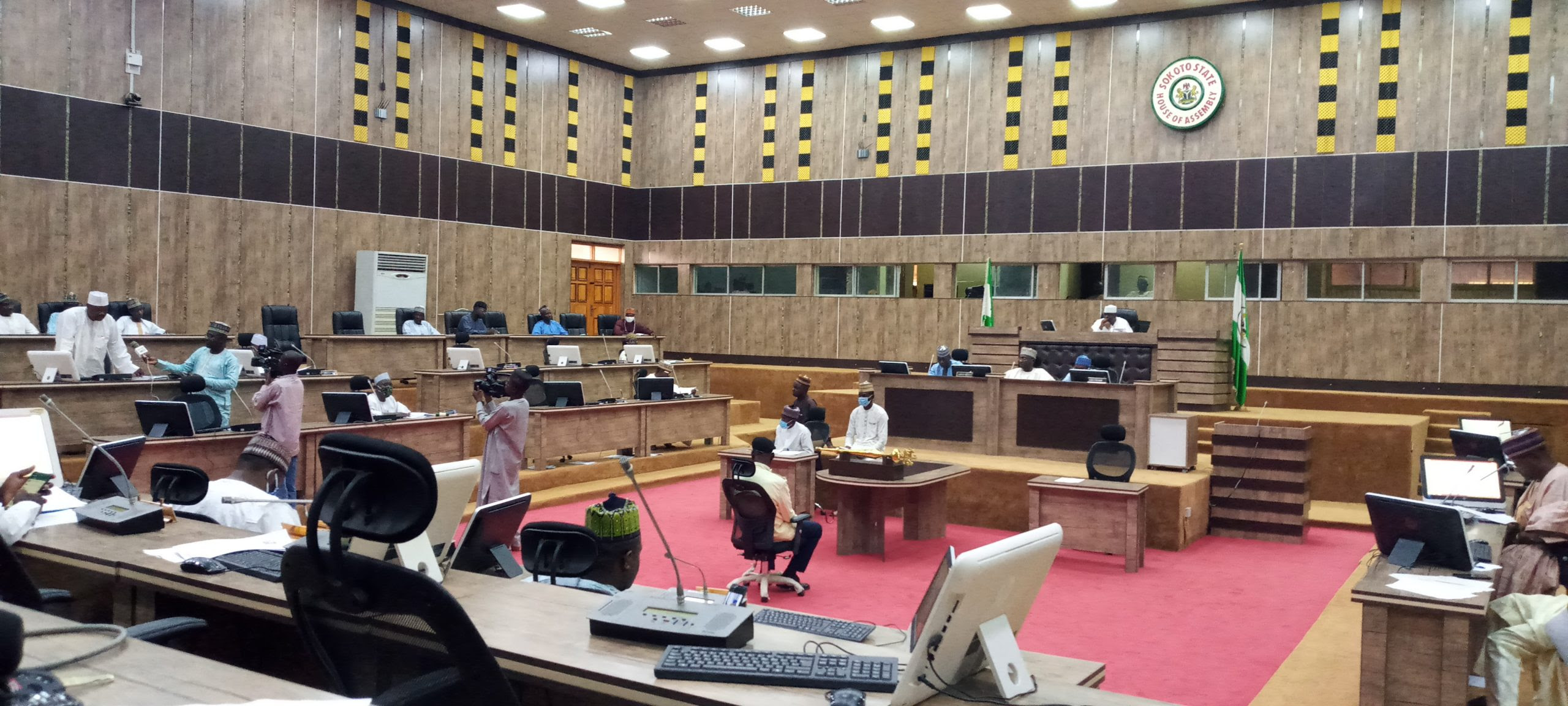
The bill also wants to regulate tenancy agreements, estate agency practices, illegal evictions, refunds, and conflict resolution in the FCT.
However, it does not completely stop tenants from voluntarily paying more than 12 months' rent. It allows this if tenants choose to do so without pressure, threats, or discrimination, and if they document the agreement.
The bill stirred debate during discussions. Some lawmakers backed the need for government action to protect tenants. Others warned that too many restrictions could hurt landlords’ rights and business.
Chinedu Ogah pointed out the high cost of renting in Abuja. A three-bedroom office in Wuse could cost between ₦25 million and ₦30 million each year, not counting agency fees.
Lawmakers like Ibe Osonwa (LP, Abia) and Patrick Umoh (APC, Akwa Ibom) also raised worries about limiting voluntary multi-year rental agreements and possible constitutional issues.
Deputy Speaker Benjamin Kalu, who led the meeting, supported the proposed regulation. He said housing is a basic need that needs government action.
The bill will face more checks, including committee reviews and talks with relevant stakeholders.
Reps suggest 20% cap on trustee investments
In another move, the House of Representatives looked at a new law to regulate how trustees invest money and protect the interests of beneficiaries.
The proposed Trustee Investment Bill, 2026 (HB.2762) wants to replace the old Trustee Investment Act of 1957. The new bill reflects updates in Nigeria’s financial system and investment options.
A key point in the bill is a limit that would stop trustees from investing more than 20 percent of a trust fund's portfolio in one issuer.
Solomon Bob (APC, Rivers), the chairman of the House Committee on Capital Market and Institutions, shared this at a public hearing for the bill at the National Assembly in Abuja.
He said this limit aims to avoid putting too much of beneficiaries' money in one place and to lower their financial risks.
The bill will also widen the investment choices for trustees. This includes corporate bonds, equities, exchange-traded funds, real estate investment trusts, infrastructure funds, foreign investments through licensed custodians, and regulated virtual assets.
It also plans to set stricter rules for trustees. They must manage assets with loyalty, care, and fairness.
Other rules involve mandatory yearly reports to beneficiaries, fair asset valuations, and limits on risky transactions and investments in unregulated schemes.
During the hearing, Mr. Bob noted that the old law is outdated. Nigeria's capital market is now worth over ₦80 trillion, while pension assets are more than ₦30 trillion.
He also expressed worry over the low turnout of invited groups at the hearing. Only three of about 12 invited organizations came.
The Securities and Exchange Commission, Debt Management Office, and Association of Corporate Trustees attended and made contributions.
House Speaker Abbas Tajudeen, who was represented by Abubakar Sarki (APC, Nasarawa), said the new rules must balance investment growth with protecting beneficiaries' assets.






Comments
No comments yet.