Lagos demolitions left 50,000 displaced and 5,000 homes destroyed, Amnesty International
Amnesty International claims Lagos State Government's demolitions have displaced thousands and destroyed homes, with serious impacts on communities.
Amnesty International has accused the Lagos State Government of displacing around 50,000 residents and destroying 5,000 homes in Makoko between December 2025 and January 2026 during forced demolitions.
The group also claimed that demolitions in Makoko, Oworonshoki, and Mile 12 led to deaths, destruction of schools and healthcare facilities, and loss of livelihoods.
Amnesty International made this known in a statement on Wednesday. They cited research done between October 12 and 16, 2026, which showed continued forced evictions in the affected areas.
The organization said residents were displaced and their homes knocked down without proper notice, real consultation, or alternative accommodation.
They also claimed that police officers worked with thugs to create violence during some operations.
The Director of Amnesty International Nigeria, Isa Sanusi, said the Lagos State Government has been carrying out forced evictions since March 2016 as part of its urban development plans.
"Since March 2016, Lagos State has been carrying out forced evictions that are clearly aimed at excluding people living in poverty in the process of building what is called a mega Lagos. These are carried out without consultation, adequate notice, or alternative housing," he said.
Sanusi described the findings of the organization’s latest investigation as proof of a lack of respect for due process. He accused the government of demolishing homes while families were still asleep.
The organization also alleged that the latest demolition operations took down 42 schools, 20 healthcare clinics, and places of worship. Residents reported at least 12 deaths related to the demolitions, including deaths linked to tear gas and building collapses.
In Oworonshoki’s Mosafejo and Idiaraba communities, residents connected over 30 deaths to trauma, medical neglect, and exposure after the demolitions.
Amnesty International also reported that the operations destroyed more than 30 private schools, over 25 churches, and 10 mosques in the communities.
In Mile 12, residents said that more than 250 houses were demolished in one area, leaving families homeless without proper notice, compensation, or alternative housing.

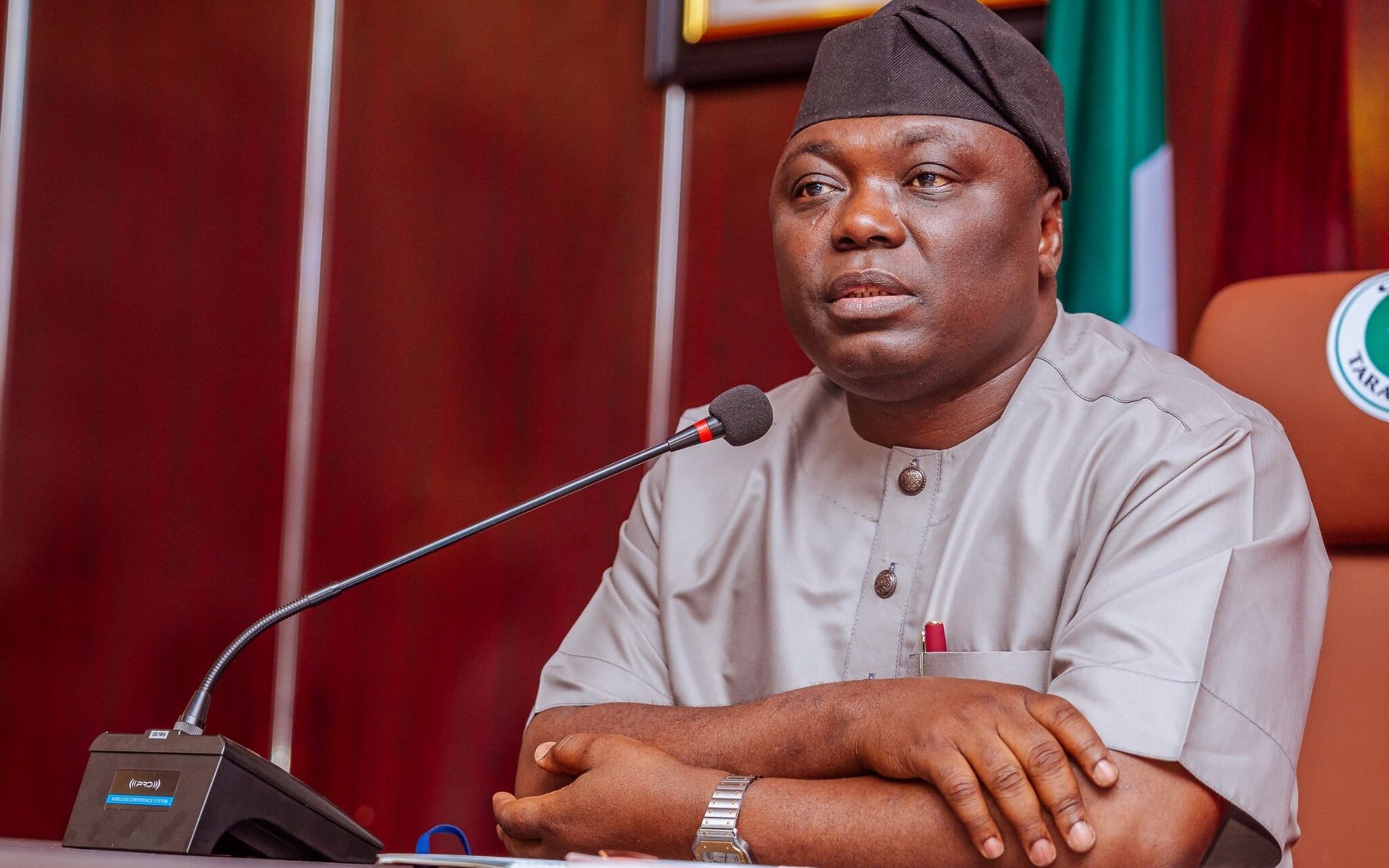
The organization added that at least 14 residents were arrested and held for about a month after protests against the demolitions in Oworonshoki.
Sanusi noted that the demolitions caused serious hardship for affected families. He shared stories of residents who lost loved ones and means of income.
A resident from one of the affected areas told Amnesty International, "I am the father of three children. Unfortunately, I lost two of my children in circumstances directly connected to the demolition. This has brought terrible pain and suffering to my family."
The organization said the demolitions disrupted access to essential services, especially for children, pregnant women, and older people.
They noted that families who depended on fishing in Makoko lost their homes, boats, nets, and engines. Displaced residents struggled to access education, healthcare, and proper shelter.
Amnesty International said residents were initially told that the demolition exercise would only affect buildings under high-tension electricity lines. Instead, the operations extended beyond expected areas.
The organization added that residents challenged the demolitions in court and got a Federal High Court ruling in July 2025 preventing the Lagos State Government from demolishing the community. But they claimed that demolitions continued despite the court order.
Sanusi urged the state government to ensure that evictions followed human rights standards and court orders. He asked for affected families to receive proper shelter, compensation when needed, and access to essential services.
He said, "The government of Lagos State is increasingly and deliberately failing to ensure that evictions comply with human rights standards and court orders, provide affected families with adequate shelter, compensation where required and access to essential services, and guarantee that people living in poverty are treated with dignity and are not arbitrarily rendered homeless, arrested or detained."
Amnesty International called on the Lagos State Government to investigate recent and past forced evictions and ensure accountability for alleged abuses. They urged the government to stop practices that leave low-income residents homeless without proper consultation, adequate notice, compensation, or alternative accommodation.
When asked on Wednesday, the state Commissioner for Information and Strategy, Gbenga Omotoso, did not answer calls to his mobile phone. He also had not responded to a WhatsApp message sent by our correspondent at the time this report was written.

Comments
No comments yet.