NASS Update: Fake Food, Corps Member's Death, Abuja Rent, and More
The House of Representatives is addressing the dangers of fake food and drinks in Nigeria. They are also looking into the death of a National Youth Service Corps member.
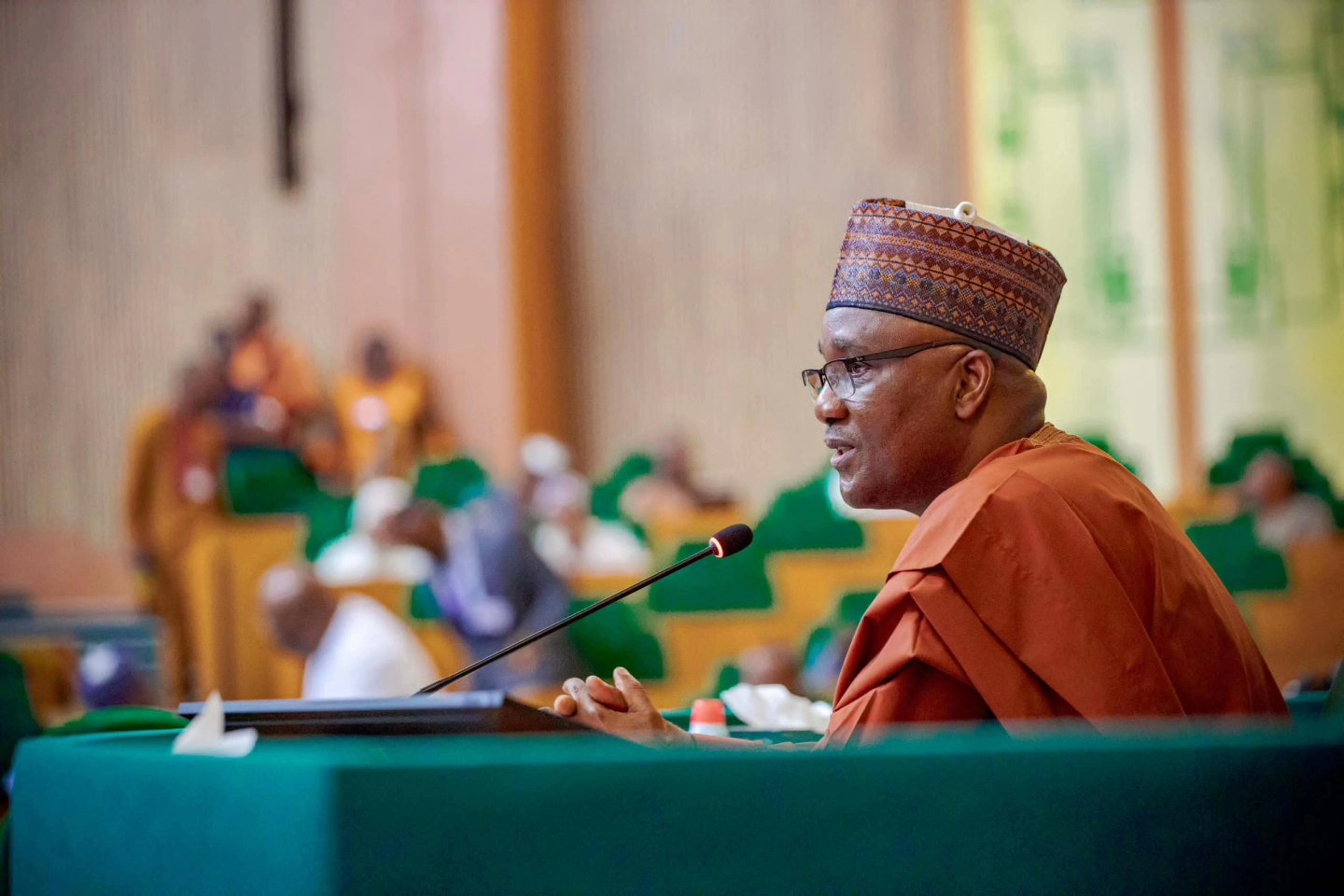
The House of Representatives has called on the federal government to step up efforts to stop the making and sale of fake, adulterated, and substandard food and drinks in Nigeria.
This decision came after a motion by Makki Yalleman (APC, Jigawa). He pointed out that unsafe food and drinks are serious threats to public health, especially for children, elderly people, and other vulnerable groups.
Mr Yalleman mentioned recent operations by the National Agency for Food and Drug Administration and Control (NAFDAC). In April, they broke up an illegal alcohol counterfeiting ring at Zamfara Plaza on Lagos Island. In September, they found an illegal fruit juice factory in Badagry, Lagos State.
He said some manufacturers and distributors are changing production and expiry dates, batch numbers, and ingredient details. Others are using contaminated materials or illegally refilling containers.
The House asked NAFDAC, the Standards Organisation of Nigeria (SON), and the Federal Competition and Consumer Protection Commission (FCCPC) to improve surveillance and inspection. They also want support from the police, Nigeria Customs Service, state governments, and other agencies for better enforcement.
Relevant House committees are to look into the extent of the problem and how well current enforcement actions are working. They have four weeks to report back.
The House also decided to investigate the death of a National Youth Service Corps (NYSC) member, Etimbuk Sunday, who died at the NYSC Orientation Camp in Awgu, Enugu State.
Unyime Idem (APC, Akwa Ibom) sponsored the motion on Tuesday. He raised concerns about how Mr Sunday was treated after he fell ill during orientation.
Mr Sunday, a former president of the Students’ Union Government of Akwa Ibom State University, visited the camp clinic on 7 October. He had symptoms of malaria or typhoid. He received treatment and was sent home with oral medication, but his health worsened. He died on 11 October.
Mr Idem questioned the treatment the corps member received, including delays in getting him to a hospital and how his body was handled after death. He also expressed concern that the family received the body naked and with visible bruises, which he believes should be investigated.
The House then told its Committees on Youth Development, Health Care Services, Police Affairs, and Human Rights to work together on this case and report back in four weeks.
This follows the Senate's call for an investigation. NAFDAC has also started looking into the death, including how medicines were given to the deceased.
After an imported Ebola case was confirmed in Abuja, the House urged for the quick release of funds meant for health agencies to enhance the country’s readiness and response.
Amobi Ogah (LP, Abia) sponsored this motion. It came after a woman from Uganda was confirmed to have Ebola after arriving in Nigeria.
Health officials have found 44 people who were in close contact with her, including healthcare workers and caregivers, and they are under watch.
Mr Ogah warned that delays in recognizing suspected cases, testing, isolating confirmed cases, and tracing contacts could lead to more transmission.

He also expressed worry about lack of public awareness, infection control supplies, and the readiness of healthcare workers and emergency response teams.
The House urged the Ministry of Finance to release funds to health agencies. They also asked the Federal Ministry of Health and Social Welfare and the Nigeria Centre for Disease Control and Prevention to look into what extra resources are needed for the response.
The House wants stronger surveillance involving federal and state health authorities, port health officials, the agriculture ministry, and private healthcare providers. They also called for collaboration with the World Health Organisation and other international health bodies.
The Committee on Infectious Diseases has been tasked to get updates from relevant agencies on the Ebola situation and Nigeria’s readiness, then report back.
The House has asked the federal government to review changes to the Lagos-Calabar Coastal Highway. They want to keep the original route through parts of Ondo State and the Escravos, Ogheye, Ugborodo corridor in Delta State.
Thomas Ereyitomi (APC, Delta) sponsored this motion. He believes changing the highway away from coastal areas could damage the project’s goal of improving connectivity and creating economic opportunities in the region.
The federal government has defended the proposed changes, citing rough terrain, flooding, weak subsoil, and climate risks. Works Minister Dave Umahi said parts of the existing East-West Road would be used in the affected areas.
Mr Ereyitomi argued the government should first do an independent assessment of the engineering needs, environmental effects, socioeconomic impact, and costs of the new routes.
The House has started looking at a bill to stop landlords and agents in the Federal Capital Territory from asking for more than one year’s rent in advance.
This proposed law, which passed its first reading on Thursday, aims to regulate rent for residential and commercial properties in the FCT. It will also stop landlords and agents from finding ways around this rule by adding service charges or other payments.
The Federal Capital Territory Advance Rent Regulation and Tenants’ Protection Bill, 2026 (HB.2839) is sponsored by Paul Nnamchi (APC, Enugu) with Ahmed Doro (PDP, Katsina) as co-sponsor. It aims to set up systems to register letting agents, handle complaints, and monitor rental practices in the FCT and nearby towns.
The bill would allow the new authority to order landlords or agents to refund illegal payments within 30 days if violations are found.
Anyone who knowingly asks for or takes rent above the allowed period could be fined between N500,000 and N5 million. Corporations could face fines from N5 million to N20 million. Courts could also order refunds and compensation for proven losses.
This proposal comes as accommodation costs in Abuja rise, with tenants complaining about high rents along with agency, agreement, and caution fees.






Comments
No comments yet.