Two Emergencies Show Nigeria's Healthcare Gaps
Two emergencies a month apart show the stark differences in healthcare response. One dog received immediate care while a singer was turned away by eight hospitals.

Nigeria trains good doctors and sends many abroad. What it lacks is the system that brings a person in need to one of them quickly. This system can be built. Stabilise first and bill later, through a funded federal scheme that pays hospitals that comply. Enforce Section 20, so that refusal has real consequences. Build urgent care centres along major roads and in cities where accidents happen. Give NEHA the job to run them. Set up coordination that knows, in real time, which emergency unit has space, a scanner, and a team. Staff and stock those units all day and night.
TWO EMERGENCIES. ONE MONTH APART. TWO DIFFERENT EXPERIENCES.
On 15 September 2025, in Park City, Utah, a police dog named Bruno fell off a highway overpass. He broke two legs and hurt his jaw. An officer held him down on the road. A helicopter took him to a specialist hospital in Salt Lake City. Surgeons operated the next day. Soon after, he limped out, greeted by staff who clapped as he walked by.
On 14 October 2025, in Ibadan, gospel singer Olayemi Bayonile Bolaji, known as Toluwanisings, collapsed early in the morning. His media aide, Babadunni Gbolabo, said that eight hospitals turned him away. His family confirmed that he died that same morning.
Eight doors. Eight refusals. Somewhere in that time, he ran out of options.
A dog met a system. A man faced a wall of closed doors.
TOLUWANISINGS WAS NOT THE FIRST THIS YEAR. HE WON'T BE THE LAST.
On 29 December 2025, Anthony Joshua, the two-time world heavyweight champion, was in a crash on the Lagos-Ibadan Expressway at Makun, Ogun State. His close friends, Sina Ghami and Kevin “Latif” Ayodele, died at the scene. Joshua had minor injuries. The world saw images of a global star being pulled from the wreckage by bystanders, not paramedics or trained responders.
There was no air ambulance. No roadside care unit. No equipped centre nearby that night. President Bola Tinubu called Joshua personally. The world noticed for a moment. But the gap in infrastructure remains.
Nigeria recorded 5,421 road traffic deaths in 2024 alone. The crash involving Joshua was not unique. It was a well-known version of what happens quietly on Nigerian roads every day.
ONE COUNTRY. THREE FUNERALS. THE SAME MISSING LINK.
Over 11,000 kilometres separate Salt Lake City from Ibadan. The real distance is measured in time, money, and who answers when you knock.
This is not a complaint against Bruno. He deserved every hand that helped him. What stands out is what was ready before he fell. A trained responder. An evacuation plan. A hospital ready for him. An institution to pay the bill.
Toluwanisings had a car, loved ones, and hope.
Sina Ghami and Latif Ayodele had a famous friend, a working phone, and the attention of a Nigerian president. None of that brought them a physician for care on the Lagos-Ibadan Expressway.
We often think that illness alone decides who lives. But often, the system does. In emergency medicine, time is part of the illness. During a major stroke, the brain loses about 1.9 million neurons every minute without treatment. In major trauma, the first hour is crucial. The same injury can be treatable in one city and deadly in another. Human bodies do not change at borders. The access to care does.
YET THE SKILL IS HERE. I HAVE SEEN IT SAVE SOMEONE CLOSE TO ME.
On 16 July 2025, I sat far away, holding my phone. A relative reached University College Hospital, Ibadan, at 11 a.m. Moribund. A blocked artery was starving their brain.
The messages came slowly.
“…in the CT room now.”
“The neurologist is there. It is 6 hours post ictus.”
My heart sank. Every doctor knows what that number means. The time for clot-dissolving treatment ends at four-and-a-half hours. After that, the risk of bleeding in the brain rises sharply.
The neurologist did not refuse treatment. He read the scan carefully. He weighed what could be saved against what could be lost. He spoke with us. Then he moved ahead.
The country already has parts of the solution. What is missing is a proper tier of Urgent and Emergency Care Centres, placed on expressways and in major cities where people collapse. Walk-in. Specialist-led. Open 24 hours. Fast diagnostics on site. Air stabilisation capability. The facility that the NEMSAS ambulance takes patients to. The place the bystanders on the Lagos-Ibadan Expressway could have reached in time.
Then one word.
“Thrombolysed.”
It was 1:53 p.m. Two hours and fifty-three minutes after arrival. About seven-and-a-half hours after the first symptoms.
Today, my relative walks, runs, talks, and drives, with no visible issues.
That was excellent stroke care. Delivered in Ibadan. By Nigerian hands.
So the skill was never the issue. Access was.
Our access came through people. Medical school friends and a senior mentor who are like family made calls and stayed with us until it was done. I will remember that for life.
But I must be honest about what that means. It means privilege. Our network helped us skip cash deposits, delays, and traffic that kill ordinary Nigerians. Behind the right team on duty, a working scanner, and the needed drug, I believe, was the grace of God.
Grace should not replace a system. No Nigerian should need the right contacts to survive.
THE LAW IS ON THE PATIENT’S SIDE.
Section 20 of the National Health Act 2014 says that a health provider, worker, or establishment cannot refuse a person emergency medical treatment for any reason. The penalty is a fine of ₦100,000, up to six months in prison, or both.
On paper, this right exists. But not at a locked gate before dawn.
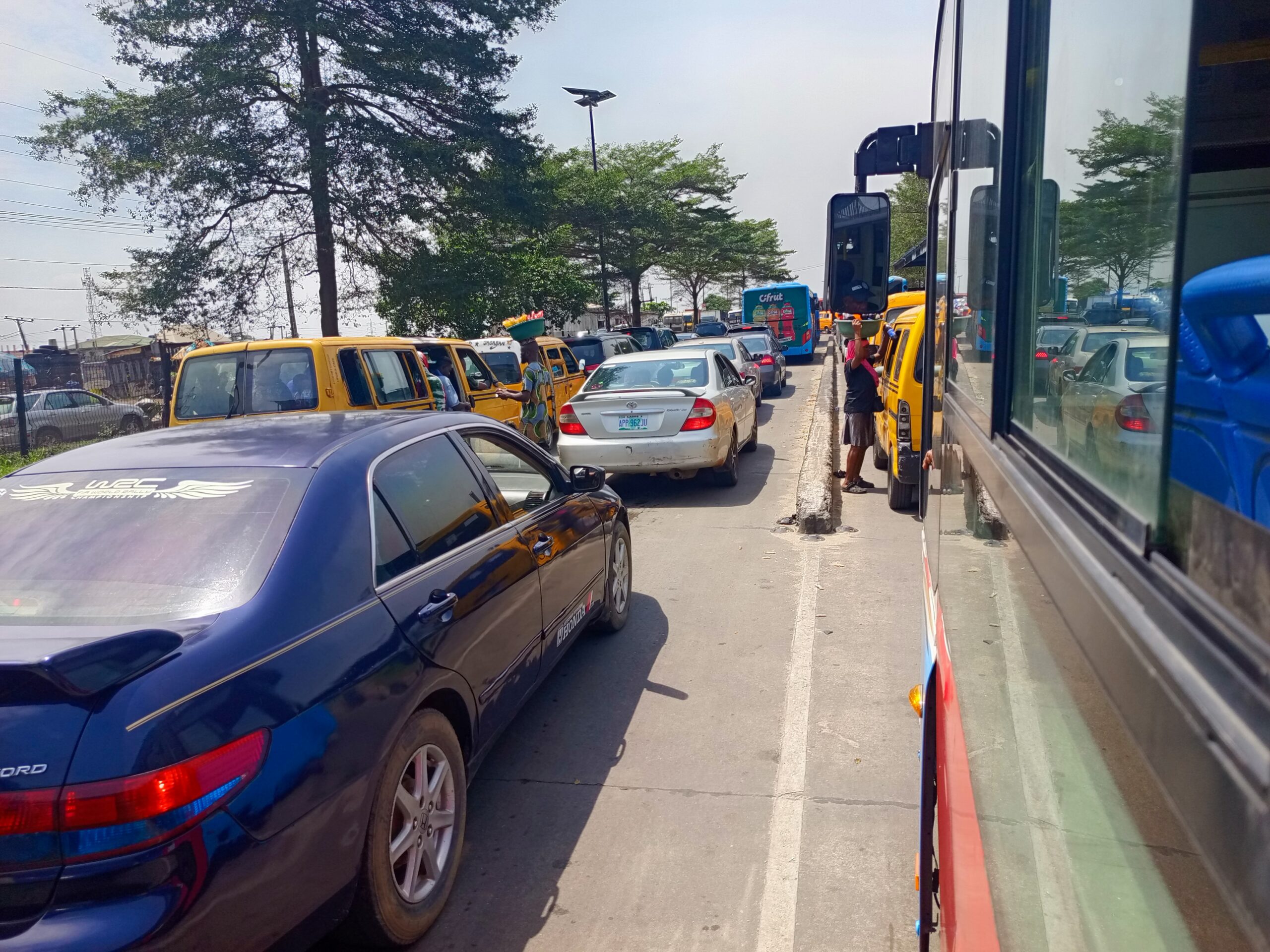
The reasons are clear. Hospitals that treat first often never get paid. Emergency units run low on staff, beds, and blood. No one tracks which hospital has space. Families drive from gate to gate, guessing, while time runs out. On expressways, there is no one to call.
WHAT NIGERIA REALLY NEEDS. SPECIFICALLY.
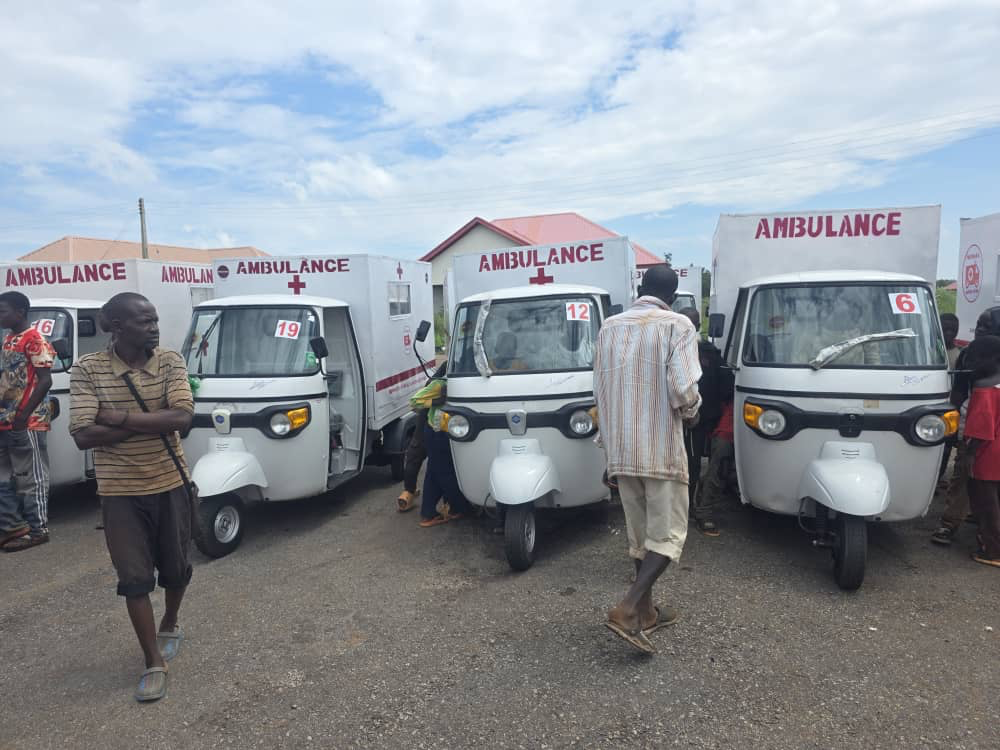
The country already has pieces of the puzzle. The National Emergency Medical Service and Ambulance System (NEMSAS), started in 2022 and now working in 33 states and the FCT, sends ambulances and funds the first 48 hours of care through the Basic Health Care Provision Fund. The Federal Road Safety Corps patrols the expressways. The National Emergency Management Agency responds to disasters. The National Primary Health Care Development Agency runs primary care at ward levels.
What is missing is a proper tier of Urgent and Emergency Care Centres, placed on expressways and in major cities where people collapse. Walk-in. Specialist-led. Open 24 hours. Fast diagnostics on site. Air stabilisation capability. The facility that the NEMSAS ambulance takes the patient to. The place the bystanders on the Lagos-Ibadan Expressway could have reached in time.
Every developed nation has this kind of system. The UK has 999 and Walk-in Urgent Treatment Centres. The US and Canada have 911 as their emergency number and Level 1 trauma centres. Rwanda has SAMU, funded by the WHO and the World Bank, with ambulances and air units covering the entire country. Nigeria has the ambulance but lacks the destination.
This gap needs a solution. A National Emergency Healthcare Authority (NEHA) is needed, a federal agency that sets up, regulates, and runs urgent care centres nationwide. It would take on NEMSAS as its dispatch arm, work with the FRSC on expressway positioning, collaborate with NEMA on mass casualties, and report to the Federal Ministry of Health with independent funding. One agency. One job. One accountable name when a Nigerian dies at a hospital gate.
The alternative is what we have now. Six agencies, no single owner, and a Toluwanisings every month who we do not hear about because he was not a gospel singer.
A rotation model that offers diaspora consultants eight to twelve weeks a year in a well-run urgent care centre, with proper accommodation, family-friendly schedules, and professional indemnity, would attract many. Not because they earn more. But because they are finally given a way to serve home that fits their lives. The older group will guide the teaching. The younger ones, still mid-career abroad, would add shorter rotations when they visit family.
AND WHO WILL WORK THERE. THE DIASPORA SOLUTION.
A federal agency is only as good as the doctors inside at 3 a.m. This is where Nigeria has a quiet advantage it has never used well.
Nigerian-trained doctors fill senior consultant roles across the NHS, Mayo Clinic, Johns Hopkins, Toronto General, and Mount Sinai. Thousands of them. Many are now in their late 50s and 60s. In the Western countries where they work, they usually shift from full clinical work to teaching, mentorship, governance, and part-time consulting. Children are grown. Mortgages are paid. Personal needs are smaller. What rises is the desire to give back.
Most of them already return home for two or three weeks each year. Family visits, funerals, weddings. Almost none of that time is structured clinical work at home. If the state built the right platform, that could change.
A rotation model that offers diaspora consultants eight to twelve weeks a year in a well-run urgent care centre, with proper accommodation, family-friendly schedules, and professional indemnity, would attract many. Not because they earn more. But because they are finally given a way to serve home that fits their lives. The older group will guide the teaching. The younger ones, still mid-career abroad, would add shorter rotations when they visit family. A working holiday with purpose rather than guilt.
This is how the brain drain can start to reverse. Not by begging doctors to return permanently, which few will do, but by allowing them to come back regularly, in ways that respect their lives. Over time, the clinical teaching, governance culture, and care standard built by returning diaspora consultants can create the lasting institutions Nigeria needs.
Until these institutions stand on their own, the diaspora is the bridge.
None of this works without those who stayed. The Nigerian consultants, registrars, nurses, pharmacists, physiotherapists, laboratory scientists, radiographers, and allied health professionals who keep the system running through every power cut, every strike, and every unpaid month are the backbone of any future. The diaspora is the bridge. The local workforce is the ground the bridge stands on.
A model that threatens their livelihoods will fail, and it deserves to. A model that strengthens them will succeed. Pay structures, training opportunities, promotion paths, and clinical leadership roles must lift Nigerian doctors first. Diaspora rotations should supplement, teach, mentor, and share, not displace them. Every returning consultant should see themselves as a guest in the workplace of their colleagues who kept the lights on, not as the owner of a new section. The welcome must go both ways. Those at home must open the door. Those abroad must know they are coming into someone’s workplace, not building their own.
Get this balance right and both sides win. Get it wrong and the diaspora becomes just one more burden on a workforce that has already carried too much.
PRIVILEGE IS QUIET. THOSE WHO HAVE IT HARDLY SEE IT.
It looks like an ambulance that arrives when you call. A hospital that stabilises first and asks for money later. A law that is enforced. A trained paramedic on a stretch of road where strangers currently kneel over the dying.
Talent is spread evenly around the world. Safety nets are not.
Nigeria trains good doctors and sends many abroad. What it lacks is the system that takes a collapsing person to one of them quickly.
That system can be built. Stabilise first and bill later, through a funded federal scheme that pays hospitals that comply. Enforce Section 20, so that refusal has real consequences. Build urgent care centres along major roads and in cities where people collapse. Give NEHA the job to run them. Set up coordination that knows, in real time, which emergency unit has a bed, a scanner, and a team. Staff and stock those units all day and night.
None of this needs new science. It needs will, funds, and action.
Until then, survival in Nigeria will remain a gamble of luck, location, and who you know.
No one should die at a hospital gate. No one should die on the hard shoulder of a Nigerian road, while bystanders try to do what paramedics should.
Rest in peace, Toluwanisings.
You sang of hope. May we build a country that makes it real.


Comments
No comments yet.